Blue Catfish (Ictalurus furcatus): The Giant Freshwater Predator That Commands Respect
The Blue Catfish is a heavyweight contender in North American freshwater ecosystems. Known for its impressive size and unmistakable slate-blue sheen, this species is a top predator and a prized catch for anglers. But beyond the trophy status, the Blue Catfish plays a crucial role in its environment, balancing aquatic communities with a mix of opportunistic feeding and territorial dominance. Understanding this fish means diving into its biology, behavior, and the challenges it faces in a changing world.
What Makes the Blue Catfish Unique?
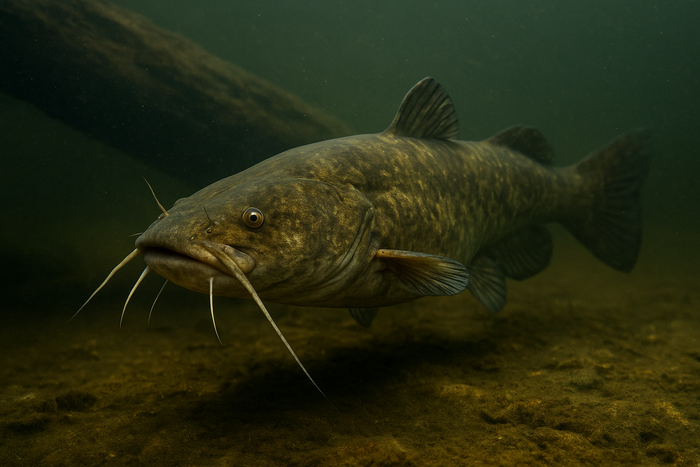
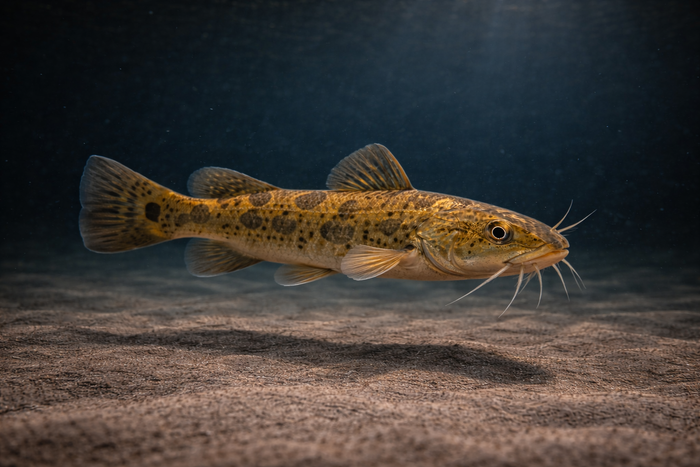
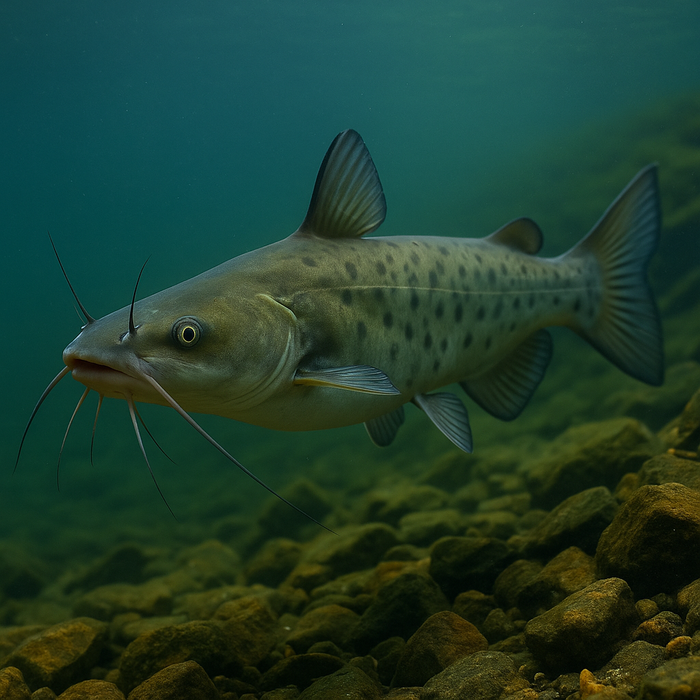
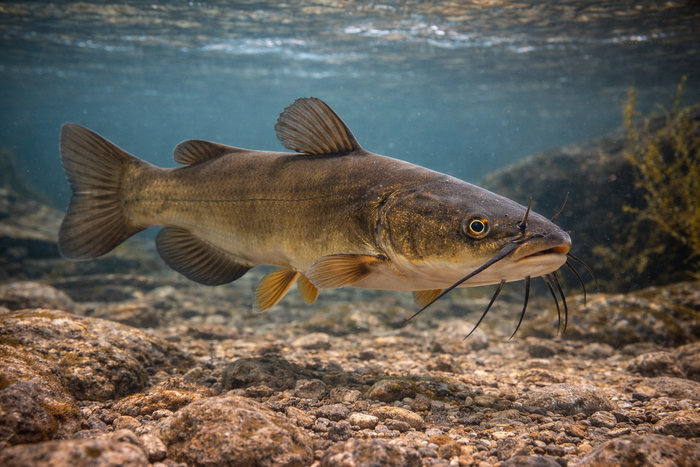
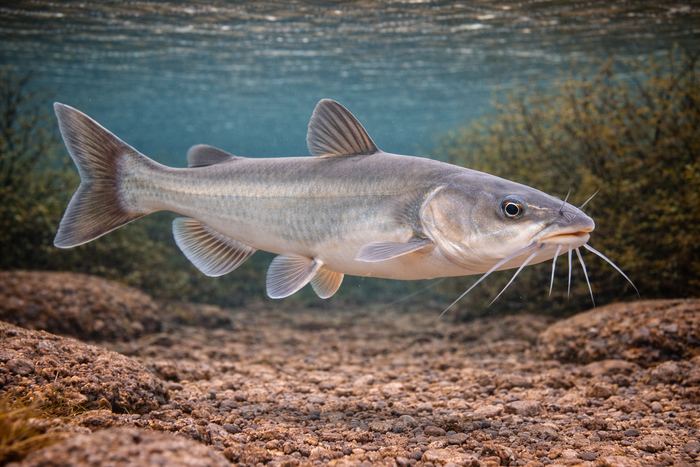
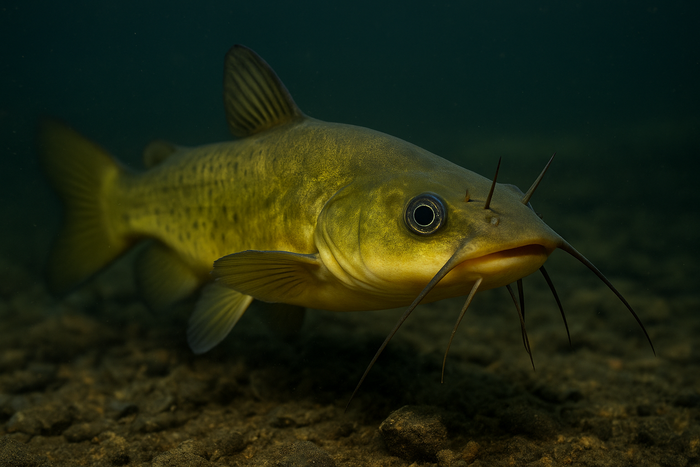
Blue Catfish stand out among their catfish cousins for a few reasons. First, their sheer size. They are the largest North American catfish species, capable of growing over 100 pounds. Their body is streamlined yet muscular, covered in smooth skin without scales, and their dorsal and pectoral fins sport sharp, venomous spines for defense. The blue-gray coloration sets them apart visually, especially when compared to the more mottled Channel Catfish.
Another distinctive trait is their forked tail, which gives them the scientific name Ictalurus furcatus—‘furcatus’ meaning forked. This tail shape aids in powerful swimming bursts, essential for ambushing prey or navigating strong currents. Their sensory barbels, or “whiskers,” are highly developed, allowing them to detect food in murky waters where visibility is low.
Blue Catfish are also known for their broad diet. They are opportunistic feeders, consuming everything from fish and crustaceans to insects and plant matter. This adaptability in diet helps them thrive in diverse environments and makes them formidable competitors in their habitat.
Habitat & Global Range
Blue Catfish are native to the large river systems of the central and southeastern United States. Their primary range includes the Mississippi, Missouri, and Ohio River basins, extending into parts of Texas and the Gulf Coast drainages. They prefer deep, slow-moving waters with soft bottoms—think large reservoirs, big rivers, and backwaters where they can lurk in ambush.
The Blue Catfish habitat is characterized by moderate to strong currents and plenty of cover like submerged logs, rocks, and deep holes. These conditions provide both shelter and hunting grounds. They are tolerant of a range of water temperatures but generally favor warmer waters.
In recent decades, Blue Catfish have been introduced outside their native range, including some Atlantic slope rivers and reservoirs. These introductions have been controversial because of their impact on local ecosystems, where they sometimes outcompete native species.
Behavior & Temperament
Blue Catfish are mostly nocturnal hunters, using their barbels to locate prey in the dark. They are solitary and territorial, especially the larger individuals. During spawning season, males establish nests in cavities or under debris and fiercely guard their eggs and fry.
Their feeding behavior is aggressive and opportunistic. They will eat whatever is available, from small fish and crayfish to mollusks and even vegetation. This broad diet allows them to exploit various food sources, making them resilient in fluctuating conditions.
Despite their size and power, Blue Catfish are not overly aggressive toward humans. They tend to avoid contact unless provoked or hooked. However, their sharp spines can deliver painful wounds, so handling requires caution.
Ecological Importance
Blue Catfish are apex predators in their freshwater environments. By preying on a variety of species, they help regulate populations of fish and invertebrates, maintaining ecological balance. Their presence influences the structure of aquatic communities and can control invasive or overabundant species.
Their role as scavengers also contributes to nutrient cycling. By consuming dead or decaying matter, they help keep waterways cleaner and support the overall health of their ecosystems.
However, their introduction into non-native waters has upset local ecological balances. In some cases, Blue Catfish have outcompeted native fish, leading to declines in biodiversity. This highlights the importance of understanding and managing their populations carefully.
Conservation & Environmental Pressures
While Blue Catfish populations are generally stable in their native range, they face threats from habitat degradation, pollution, and overfishing. Dam construction and river channelization have altered their natural habitats, reducing spawning grounds and disrupting migration patterns.
Water quality issues, including sedimentation and chemical runoff, affect their health and reproductive success. Overharvesting, particularly in popular fishing areas, can also impact local populations if not managed sustainably.
Conservation efforts focus on habitat restoration, monitoring populations, and regulating harvests. In areas where Blue Catfish have been introduced, management strategies aim to control their numbers to protect native species and preserve ecosystem integrity.
The FishyAF Take
The Blue Catfish is a powerhouse of freshwater ecosystems—a blend of brute strength, adaptability, and ecological significance. It’s a species that demands respect from anglers and biologists alike. Understanding Blue Catfish facts and habitat nuances is essential for anyone serious about freshwater fishing or conservation.
This fish isn’t just a trophy; it’s a key player in the aquatic drama, balancing predator-prey dynamics and shaping the rivers it calls home. But with environmental pressures mounting and human interference spreading, the Blue Catfish’s future depends on smart management and respect for its role in nature’s grand design.
If you want a fish that embodies both raw power and ecological finesse, the Blue Catfish is your go-to. Just remember: beneath that calm, blue exterior lies a fierce survivor with a story worth knowing.