Yellow Bullhead (Ameiurus natalis): The Catfish That Owns the Bottom with Attitude
The Yellow Bullhead is not your average catfish. Sporting a bold yellowish hue and a tough, no-nonsense demeanor, this species stands out in North American freshwater systems. Known scientifically as Ameiurus natalis, the Yellow Bullhead is a resilient bottom-dweller that commands respect from anglers and ecologists alike. If you’re diving into Yellow Bullhead facts, prepare to meet a fish that’s equal parts survivor and opportunist.
What Makes the Yellow Bullhead Unique?
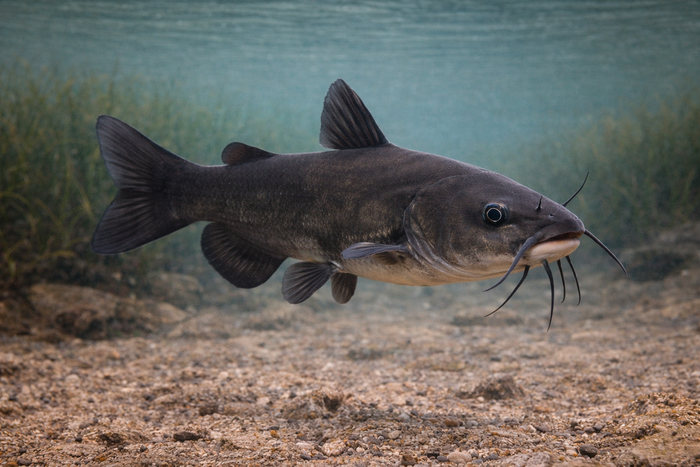
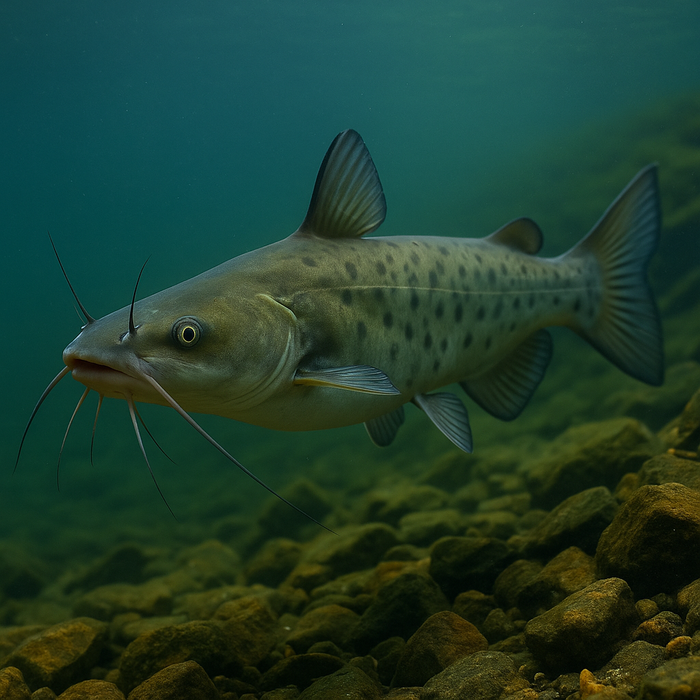
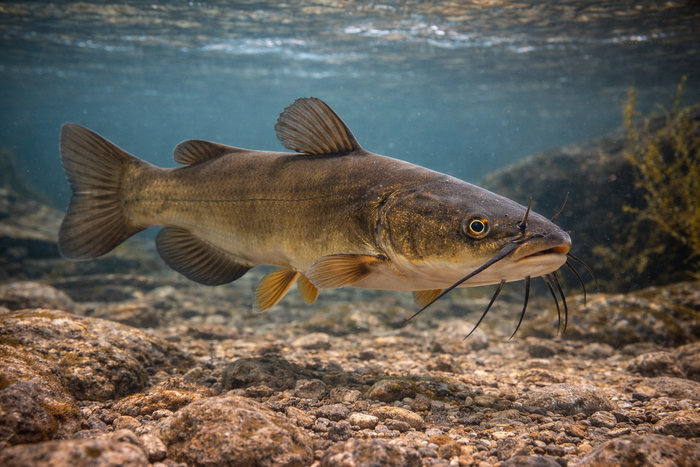
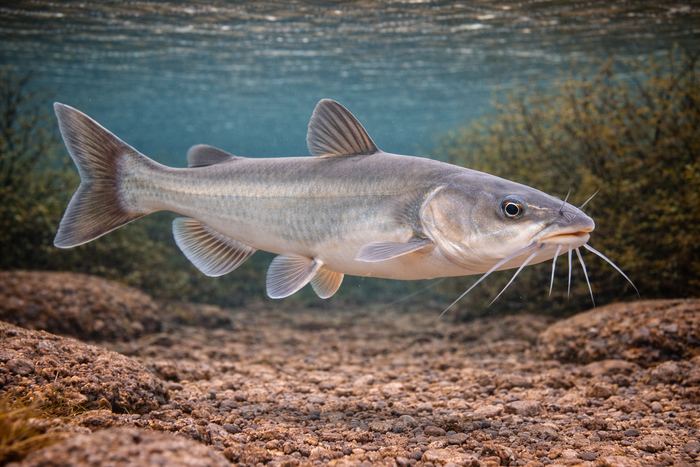
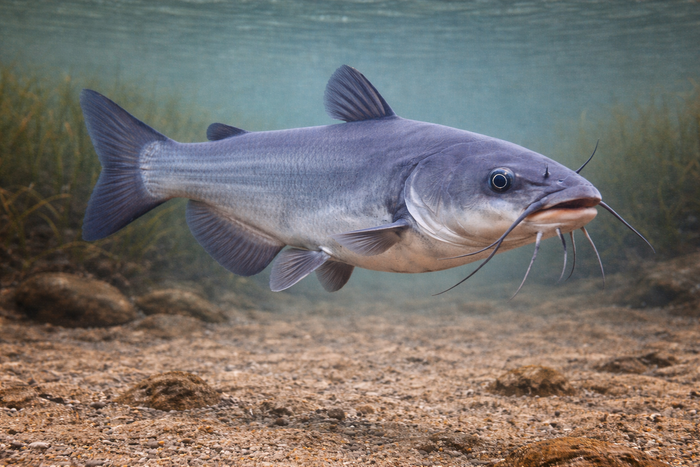
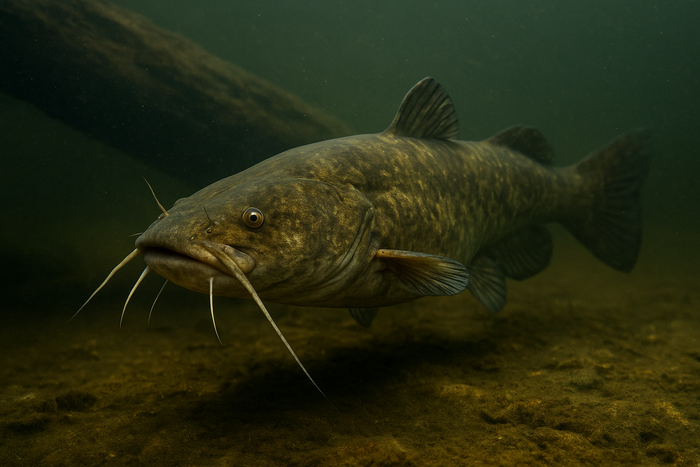
Yellow Bullheads are part of the bullhead catfish family, but they’ve carved their own niche with distinctive features. Their most obvious trait is their yellow to olive-green coloration, which sets them apart from their darker cousins. They have a squared tail fin, unlike the forked tails of many catfish, and their barbels—those whisker-like sensory organs—are pale yellow, matching their name.
But it’s not just looks. Yellow Bullheads have a tough, spiny dorsal fin and pectoral fins that can deliver a sharp jab if you’re careless. This fish isn’t shy about defending itself. Their sensory barbels are highly sensitive, allowing them to detect prey in murky waters where visibility is near zero. This makes them efficient nocturnal hunters, feeding on a diverse diet from insects to small fish and even plant material.
Habitat & Global Range
Yellow Bullhead habitat spans a wide swath of the eastern and central United States, stretching from the Great Lakes region down to the Gulf Coast. They thrive in slow-moving or still freshwater environments—think ponds, lakes, sluggish rivers, and reservoirs. These fish prefer muddy or sandy bottoms where they can root around for food with ease.
Unlike some species that demand pristine waters, Yellow Bullheads are remarkably tolerant of low oxygen levels and murky conditions. This adaptability means they often dominate in habitats where other fish struggle. Their ability to survive in a range of temperatures and water qualities makes them a staple in many freshwater ecosystems across their range.
Behavior & Temperament
Yellow Bullheads are bottom feeders with a nocturnal bent. They spend daylight hours hiding under logs, rocks, or submerged vegetation, emerging at night to forage. Their diet is eclectic—crustaceans, insects, small fish, and plant matter all make the menu. This opportunistic feeding strategy helps them thrive in varied environments.
Socially, Yellow Bullheads are somewhat solitary but will tolerate conspecifics in crowded habitats. During spawning season, males get territorial and aggressive, guarding nests fiercely. They build nests in cavities or depressions in the substrate, with males fanning eggs and chasing off intruders. Outside breeding, they’re relatively docile but handle with care due to their sharp fin spines.
Ecological Importance
Yellow Bullheads play a crucial role in freshwater ecosystems. As benthic feeders, they help control populations of aquatic insects and small invertebrates, maintaining a balance in the food web. Their scavenging habits also contribute to nutrient recycling, breaking down organic matter on the bottom.
They serve as prey for larger predatory fish, birds, and mammals, linking lower and higher trophic levels. Their nests provide microhabitats for other organisms, and their presence indicates a resilient ecosystem capable of supporting diverse aquatic life.
Conservation & Environmental Pressures
Currently, Yellow Bullhead populations are stable across most of their range. Their tolerance for degraded habitats gives them an edge where other species decline. However, they are not immune to threats. Pollution, habitat destruction, and invasive species can impact local populations.
Water quality degradation from agricultural runoff and urban development poses risks, especially in smaller, isolated water bodies. Overfishing is generally not a concern due to their abundance and low commercial value, but localized pressure can occur from recreational fishing.
Maintaining healthy Yellow Bullhead habitat means protecting wetlands, controlling pollution, and preserving natural water flow regimes. Their resilience should not be taken for granted; healthy populations reflect broader ecosystem health.
The FishyAF Take
The Yellow Bullhead is a no-frills, tough-as-nails catfish that deserves more credit than it gets. It’s a survivor, a bottom-dwelling opportunist that thrives where others falter. For anglers, it offers a scrappy fight and a chance to connect with a fish that’s as much a part of freshwater ecosystems as the mud and weeds it calls home.
Understanding Yellow Bullhead facts and habitat reveals a species perfectly adapted to its niche—resilient, resourceful, and quietly essential. Next time you’re fishing a murky pond or slow river, keep an eye on the bottom. The Yellow Bullhead is probably there, doing its thing, holding down the fort with a yellowish swagger.