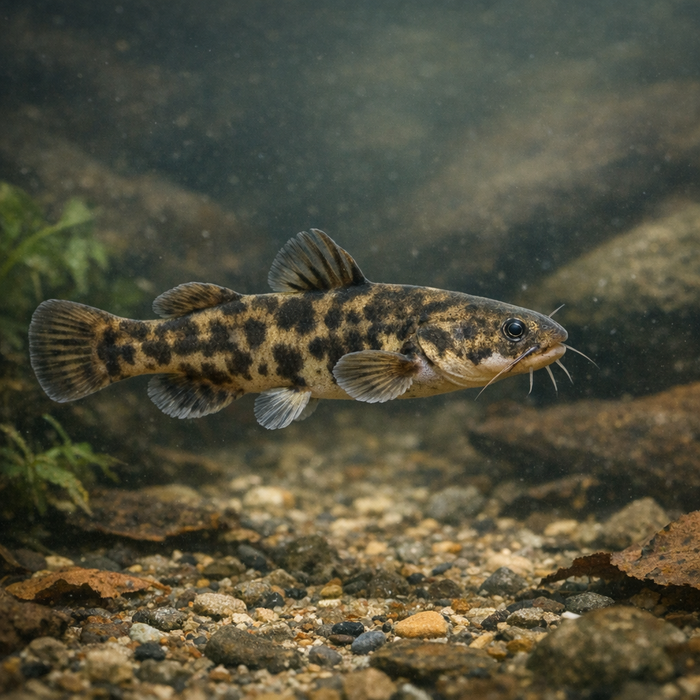
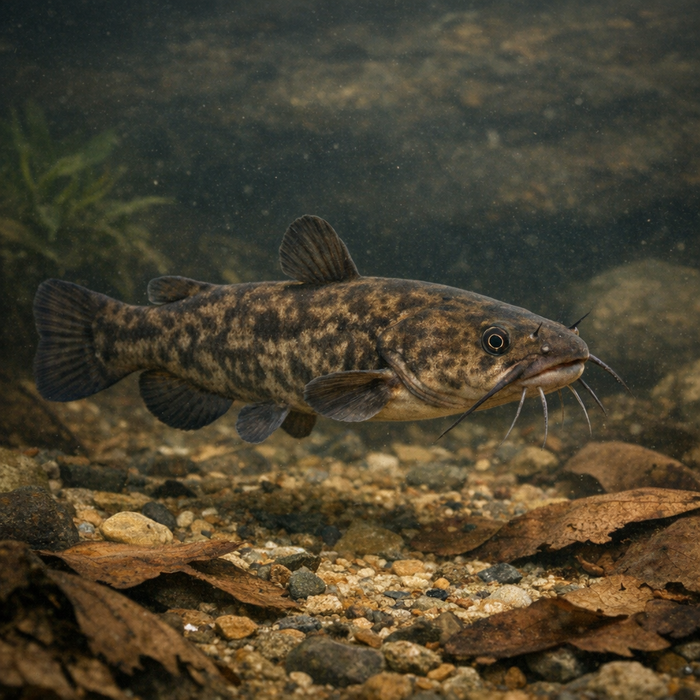
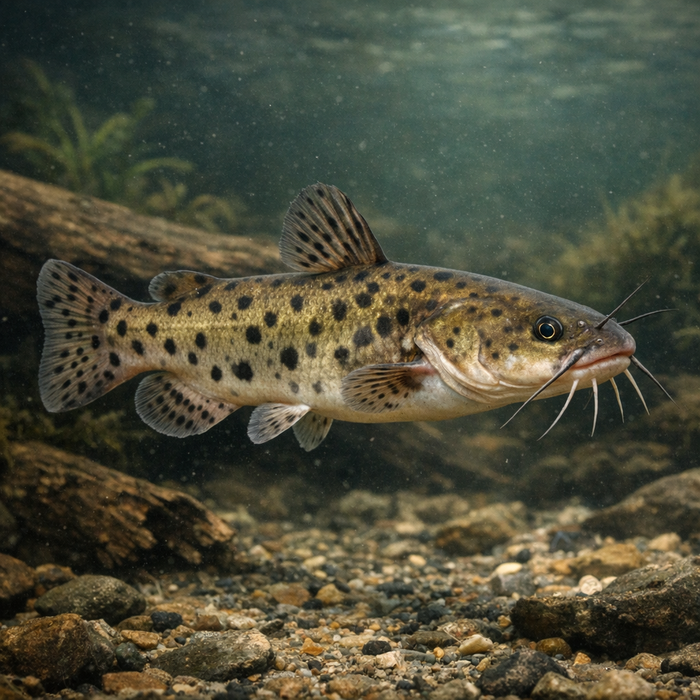
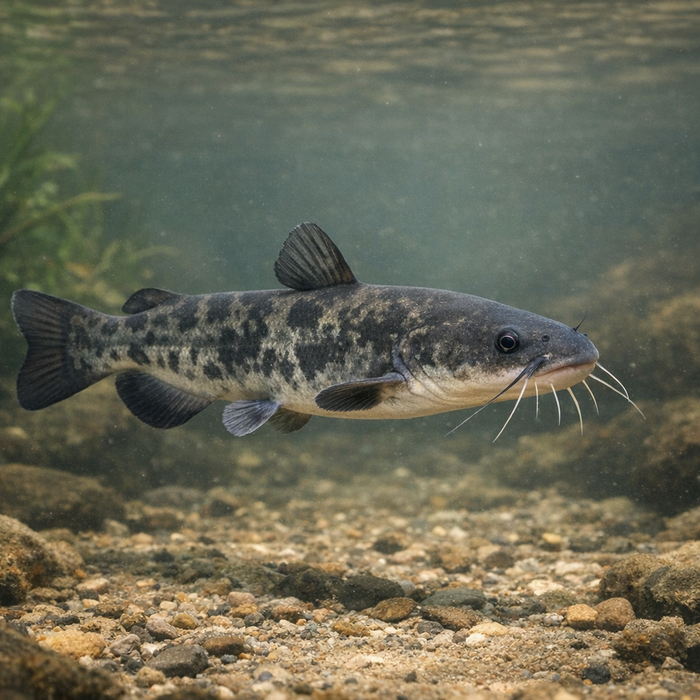
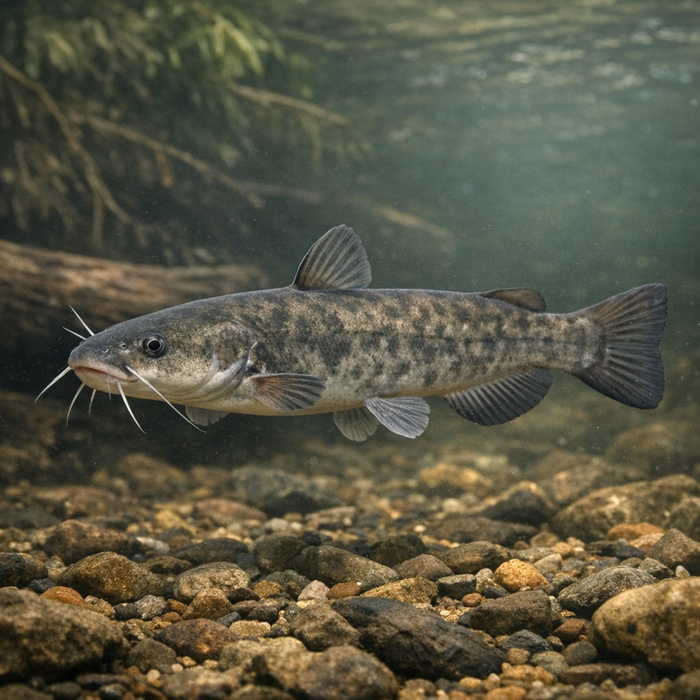
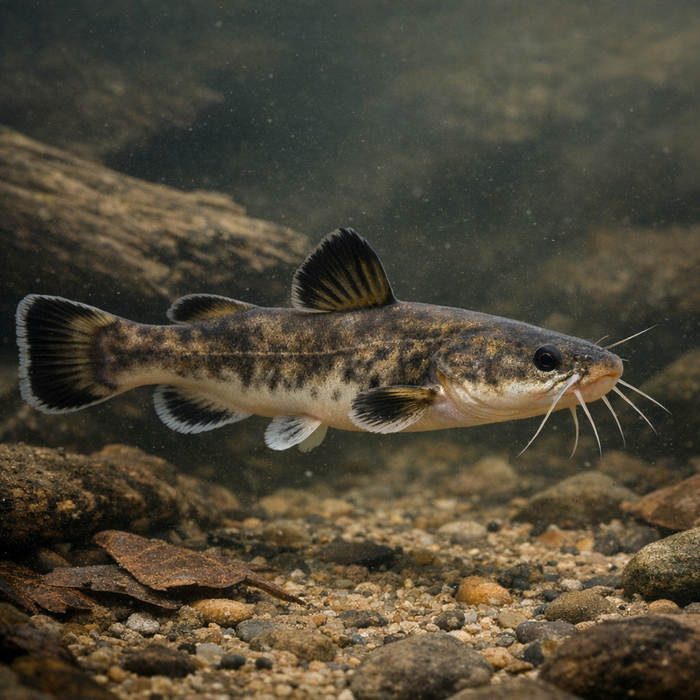
Brown Madtom (Noturus phaeus): Pocket-Sized Catfish With Punk-Rock SpinesIntroductionThe brown madtom is a micro catfish with a heavyweight attitude. Small, sneaky, and armed with venom-tipped spines, it's the stream-bottom gremlin that turns tiny bites into memorable moments. Most anglers meet one by accident while soaking a bit of worm for sunfish. The smart ones come back after dark with purpose-built micro gear. If you're into weird, wild, and wonderfully undersized freshwater targets, the brown madtom delivers. Keep reading for real Brown madtom facts and a no-BS look at what makes this fish so fun.What Makes the Brown madtom Unique?First, the size. Adult brown madtom rarely crack four inches, yet they're full-on catfish, complete with barbels, scaleless skin, and serious spines. Those pectoral spines aren't just for show. They can lock in place and deliver a wasp-level sting from associated venom glands, a potent defense for a snack-sized fish. Second, their life strategy is intimate and precise: a single clutch of eggs sheltered under a flat rock, guarded by a male like it's Fort Knox. Finally, the vibe. The brown madtom is nocturnal, low-key, and perfectly tuned to dark seams, riffle edges, and rubble gaps where bigger fish won't fit.Habitat & Global RangeCall this the heartland's pocket predator. The brown madtom is a central and southeastern U.S. native, especially tied to the Ozark and Cumberland-Plateau style creeks and small rivers. Think cool to warm flowing water, firm gravel to cobble, and steady current. They gravitate to micro-structure: slab rocks, root tangles, and the undersides of woody debris. In impoundments, they'll still hunt for current or broken flow near inlets. If you're scouting new water, "Brown madtom habitat" means clarity, clean substrate, and places where a two-inch fish can ghost into a shadow at the flick of a tail.Behavior & TemperamentNight shift rules. Brown madtom are most active from dusk through dawn, slipping out from cover to prowl for insect larvae, tiny crustaceans, and whatever bite-sized protein drifts by. They are not roamers. Instead, they work small beats around secure cover, then retreat at the first hint of drama. Spook one and you may watch it reverse into a crevice, spines forward, like a prickly retreating crab. Hooked on ultralight, they scrap surprisingly hard for their size, then go stubborn. It's a brief, gritty fight that ends fast if you stay tight and steady.Ecological ImportanceFor something this small, the brown madtom punches above its weight ecologically. It converts aquatic insects into catfish calories and then becomes currency for larger predators. Because it leans on clean, well-oxygenated substrates, its presence can serve as a subtle "water quality check." Lose the riffles to silt and you often lose the madtoms. Their nest-guarding behavior concentrates energy into fewer, well-protected young rather than scattershot spawning. That creates predictable pulses of forage for the rest of the food web and stabilizes tiny territories across a stream reach.Conservation & Environmental PressuresThe species is generally secure, but its playbook doesn't tolerate abuse. Excessive siltation smothers nest cavities, channelization strips away micro-structure, and thermal or chemical hits sap dissolved oxygen. Local populations can drop fast if riparian cover and gravel integrity vanish. Because they're not a traditional game fish, issues can fly under the radar. Anglers can help by supporting riparian buffers, minimizing in-stream rock flipping, and reporting unusual fish kills or sudden absences. Small fish, big canary.The FishyAF TakeThe brown madtom is proof that fishing isn't about inches, it's about intrigue. This fish asks you to downsize, slow down, and tune your senses to the bottom. You're working crevices by headlamp, slipping a sliver of worm into a pocket, and feeling the faintest tap. Then comes the prickly personality test: handle with respect or pay in stings. For anyone bored by the usual, the brown madtom is the perfect antidote. It's weird, it's wild, and when you finally hold one in your palm, you'll grin at how a fish this small can own so much space in your brain.