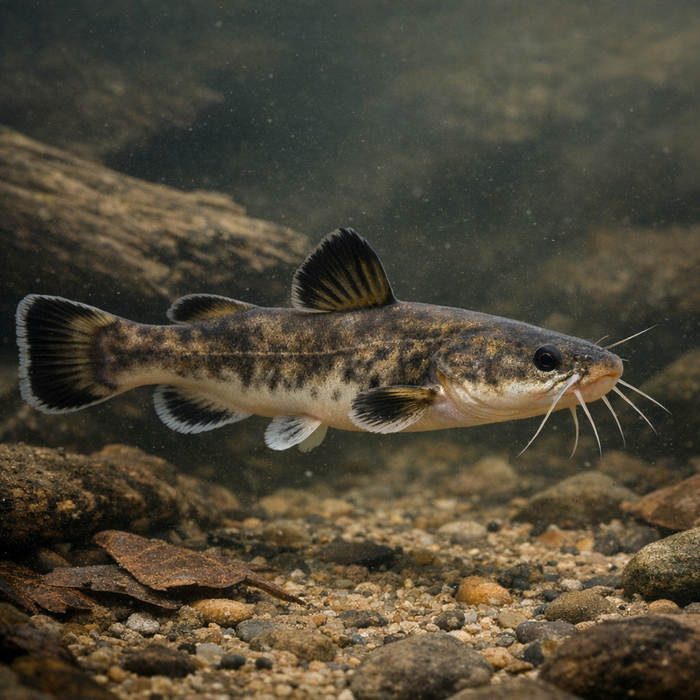
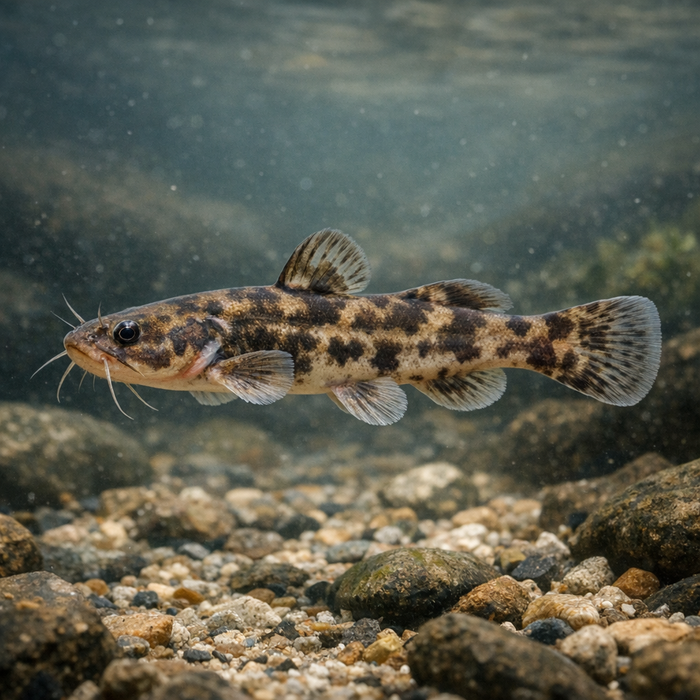
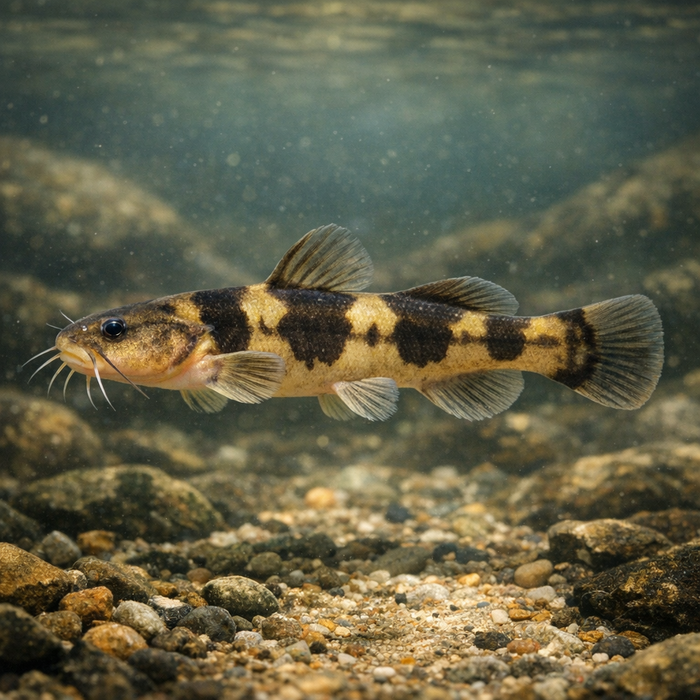
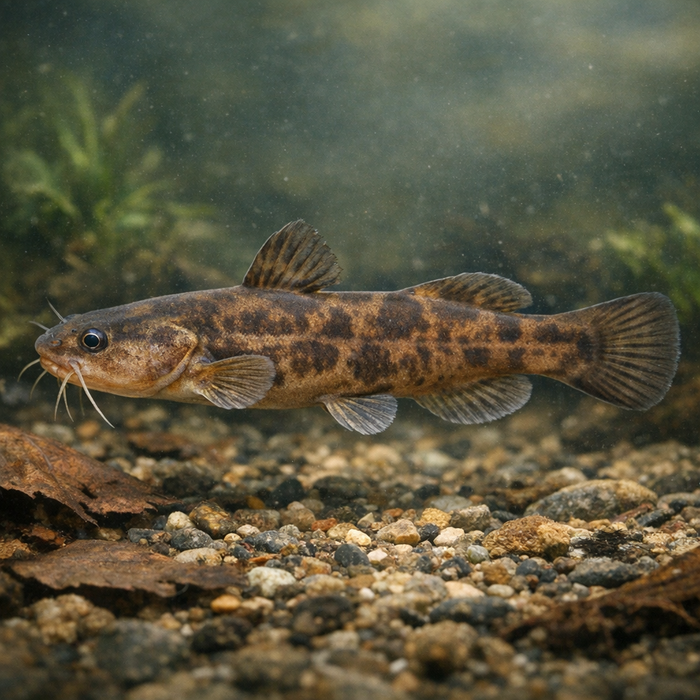
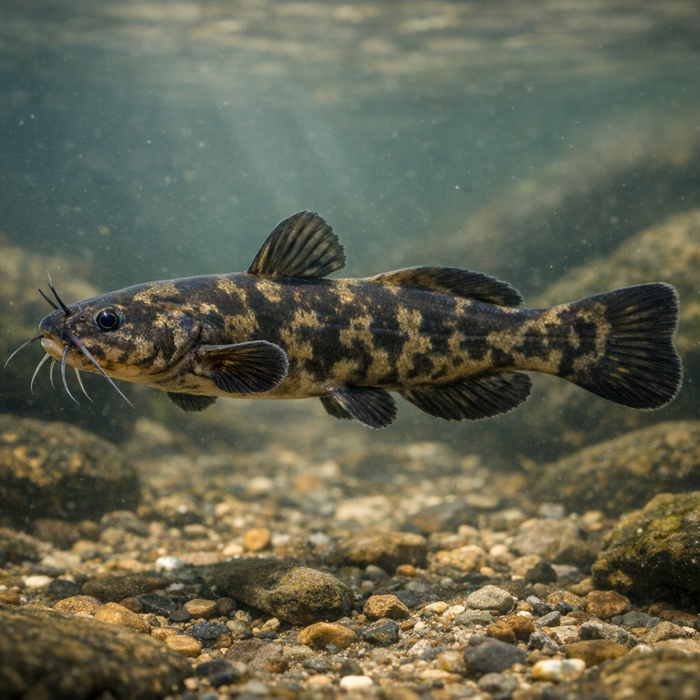
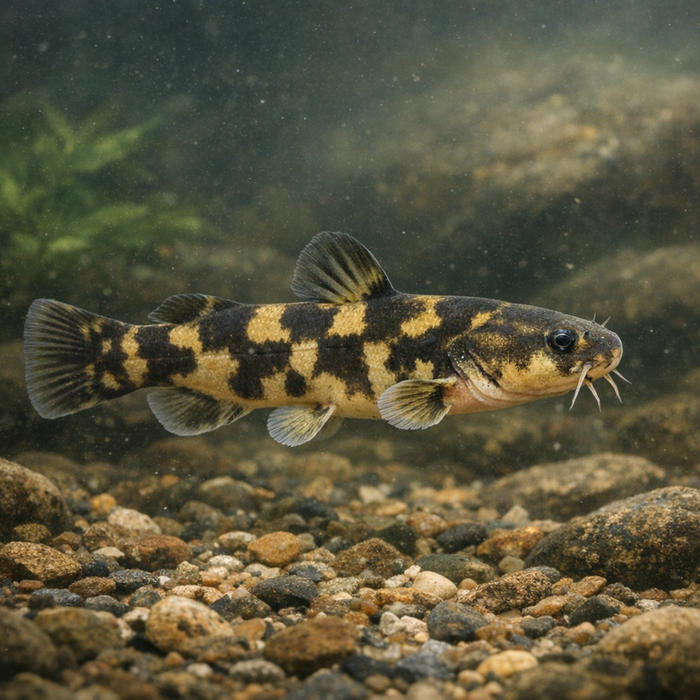
Headwater Catfish (Ictalurus lupus): Small-Stream Ninja With Whiskers And AttitudeIntroductionThe headwater catfish is the river cousin that skipped the buffet and stayed wiry. Picture a lean, fork-tailed cat that fits tight pockets, sniffs out trouble with whiskers, and punches above its weight. It looks a lot like a scaled-down channel cat, but in clear creeks and spring-fed runs this species shows off a scrappy, quick, small-water game. If you're here for headwater catfish facts, you're in the right place.What Makes the Headwater catfish Unique?Two things: identity and scale. First, the headwater catfish has a long-running identity mix-up with channel catfish, but differences in DNA and fin-ray counts separate it. Second, these fish are built for small water. They top out smaller than most catfish icons, but they turn that into a feature. Less bulk, more agility. They thread current seams, dive for root tangles, and light up light tackle. Add taste-bud-studded skin and finely tuned barbels and you've got a sensory machine made for creeks.Habitat & Global RangeAsk about headwater catfish habitat and you'll hear about current that talks back. They favor clear to lightly stained streams, often spring-influenced, with riffle-and-pool rhythm. Think undercut banks, rock ledges, brush piles, and chalky limestone in places. Pools with boulders break flow; pockets behind logs create ambush lanes. They aren't open-water cruisers. Instead, they pin to structure and use current like a moving sidewalk. Range is limited compared to their channel cat cousins, which means local knowledge often beats broad assumptions.Behavior & TemperamentHeadwater catfish behave like alleyway ambushers. They hang tight to cover by day and get bolder as light fades. Their aggression is situational: flip the current switch, dim the light, and they'll prowl. They grunt and buzz with their pectoral spines, and they can lock those spines when spooked. During the spawn they stuff nests into cramped crevices, and males guard and fan the eggs like over-caffeinated babysitters. Fights are compact and stubborn rather than blistering; expect drilling runs into roots and rocks.Ecological ImportanceThese fish are honest middleweights in their food web. The headwater catfish hoovers insects, small fish, and the occasional crustacean, then hands some of that energy upstream to herons, otters, and bigger predators. In clear, spring-fed systems they're part of a clean-water story: if sediment chokes the riffles and degrades cavities, headwater catfish numbers tell the tale by slipping.Conservation & Environmental PressuresLimited range means fewer safety nets. Groundwater depletion, prolonged drought, and sediment from poor land practices can squeeze spawning habitat. Where they overlap with stocked or native channel catfish, identification gets messy and record-keeping goes soft. Access also shapes perception; many of the best streams flow through private land. The good news is that small-water fish respond when flows and habitat recover, and they don't need giant rivers to thrive.The FishyAF TakeThe headwater catfish is catfishing with a scalpel, not a sledgehammer. You swap tanker blues and giant channels for precise drifts, stealthy approaches, and hits that feel like a truck from a fish that looks too small to pull it off. It's a connoisseur's species: limited range, clean water bias, tons of personality. If you crave a compact fight in pretty water and bragging rights that don't rely on a scale, the headwater catfish is your jam. And yes, now you've got ammo for those headwater catfish habitat debates at the ramp.