Atlantic Sturgeon (Acipenser oxyrinchus oxyrinchus): The Ancient Giant That’s More Than Just a River Monster
The Atlantic Sturgeon is a prehistoric heavyweight that’s been cruising North American waters for over 100 million years. This armored titan isn’t just a relic; it’s a vital player in its ecosystem and a symbol of resilience. Known for its bony plates and impressive size, the Atlantic Sturgeon commands respect from anglers and conservationists alike. If you want to understand a fish that’s part dinosaur, part river legend, you’re in the right place.
What Makes the Atlantic Sturgeon Unique?
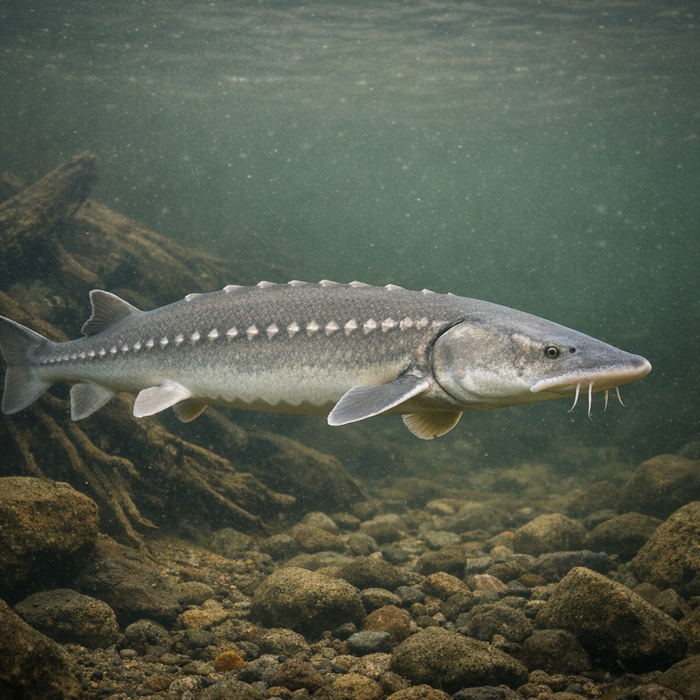
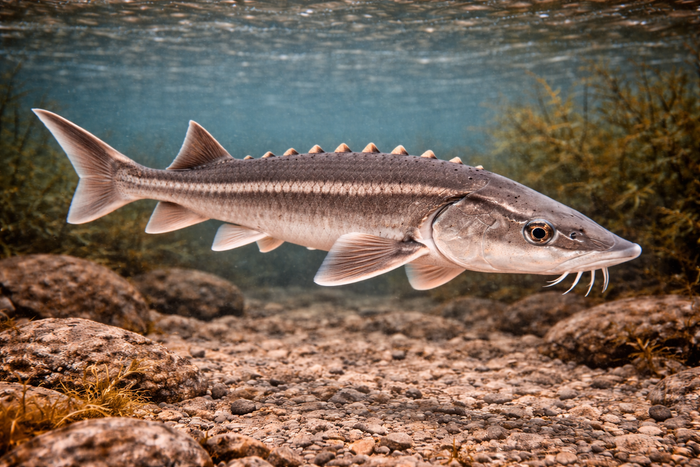
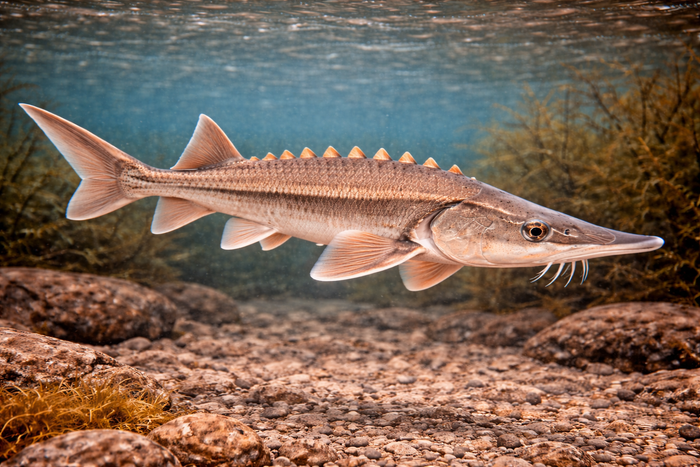
Forget your typical fish. The Atlantic Sturgeon looks like it was designed by a committee obsessed with armor and longevity. Its body is covered in five rows of scutes—those tough, bony plates that act like natural body armor. Unlike most fish, it has a shark-like heterocercal tail, where the upper lobe is longer than the lower, giving it a distinctive silhouette. It’s a bottom feeder with a protrusible, vacuum-like mouth that sucks up crustaceans, mollusks, and small fish without a fuss.
One of the most fascinating Atlantic Sturgeon facts is its life cycle. These fish are anadromous, meaning they spawn in freshwater but spend most of their lives in the ocean. They can live for decades, sometimes over 60 years, growing slowly and reaching sexual maturity late. This slow growth and late maturity make them vulnerable to overfishing and habitat disruption.
Habitat & Global Range
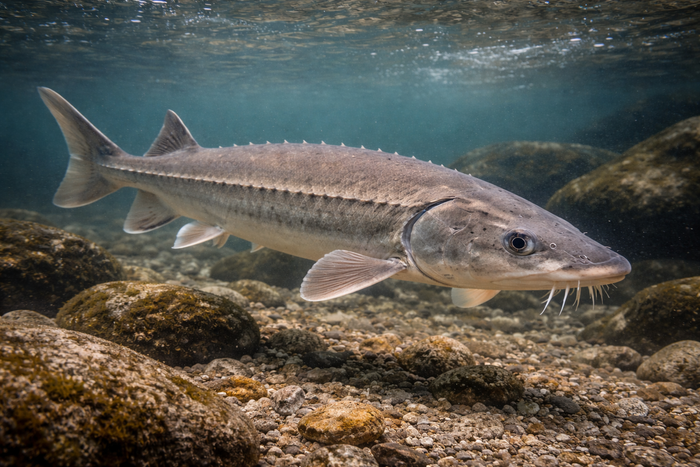
The Atlantic Sturgeon’s habitat spans the Atlantic coast of North America, from the Canadian Maritime provinces down to Florida. They prefer large river systems with access to the ocean, such as the Hudson, Delaware, and Chesapeake Bay watersheds. Their Atlantic Sturgeon habitat includes both freshwater rivers for spawning and estuarine or coastal marine environments for feeding and growth.
These fish are migratory, moving between freshwater and saltwater environments seasonally. They rely heavily on clean, free-flowing rivers with gravel or sandy bottoms for spawning. The health of these river systems directly impacts sturgeon populations, making habitat preservation a critical concern.
Behavior & Temperament
Atlantic Sturgeon are bottom dwellers with a slow, deliberate swimming style. They’re not aggressive and tend to avoid confrontation, which is good because they’re often mistaken for prehistoric monsters by the untrained eye. Their feeding behavior is methodical; they use sensory barbels near their mouths to detect prey buried in sediment.
They are solitary for most of the year but gather in groups during spawning season. Despite their size and armor, they are vulnerable to predators like sharks and seals, especially juveniles. Their slow growth and late maturity mean they don’t reproduce often, so every spawning event counts.
Ecological Importance
Atlantic Sturgeon play a crucial role in their ecosystems. As benthic feeders, they help regulate populations of invertebrates and small fish, maintaining a balanced food web. Their spawning migrations contribute to nutrient cycling between marine and freshwater systems, enriching river habitats.
Their presence is an indicator of river and coastal ecosystem health. Healthy sturgeon populations suggest good water quality and intact habitats, which benefits countless other species, including commercially important fish and shellfish.
Conservation & Environmental Pressures
The Atlantic Sturgeon has faced serious challenges over the last century. Overfishing for their meat and prized roe (caviar) decimated populations. Habitat loss from dam construction, pollution, and river modification has blocked access to critical spawning grounds. Bycatch in commercial fisheries and vessel strikes add to their woes.
Conservation efforts include fishing bans, habitat restoration, and the removal or modification of dams to reopen migration routes. Monitoring programs track population recovery, but progress is slow due to the species’ life history traits. Protecting Atlantic Sturgeon habitat is paramount; without clean, accessible rivers, these ancient giants cannot reproduce or thrive.
The FishyAF Take
The Atlantic Sturgeon is a living testament to evolutionary endurance and ecological complexity. It’s not just a big, armored fish; it’s a keystone species that connects ocean and river ecosystems in ways few others do. Understanding Atlantic Sturgeon facts and habitat needs isn’t just academic—it’s essential for preserving a piece of natural history that’s still very much alive.
If you’re serious about fisheries, conservation, or just appreciating the wild, the Atlantic Sturgeon demands attention. It’s a reminder that some of the most impressive creatures in our waters are also the most vulnerable. Protecting them means protecting the health of entire aquatic systems. No flashy colors or aggressive behavior—just raw, armored power and a vital ecological role that can’t be ignored.