Shortnose Sturgeon (Acipenser brevirostrum): The Ancient River Titan That Defies Time and Tides
The Shortnose Sturgeon is no ordinary fish. This prehistoric relic has been cruising North American waters for over 100 million years, outlasting dinosaurs and weathering massive environmental shifts. It’s a living fossil with a story etched in bony plates and a snub-nosed profile that commands respect. If you want to understand resilience in the aquatic world, the Shortnose Sturgeon is your go-to species.
What Makes the Shortnose Sturgeon Unique?
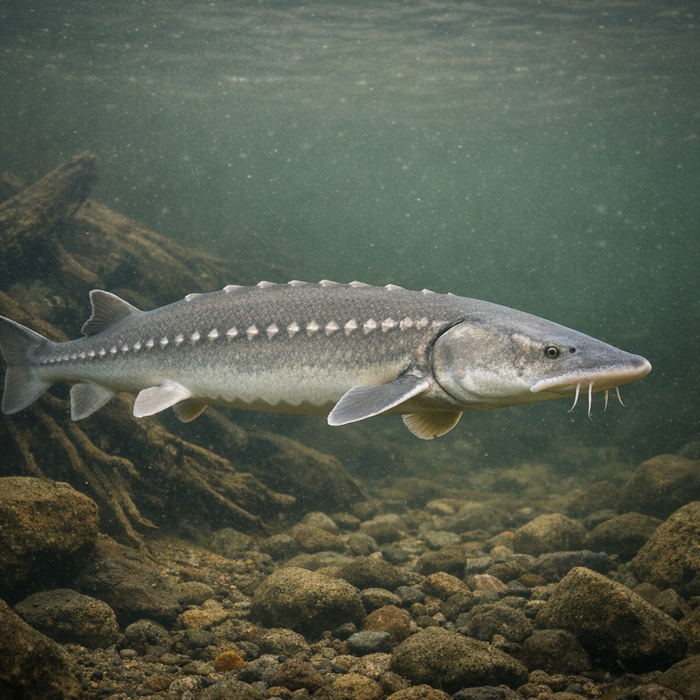
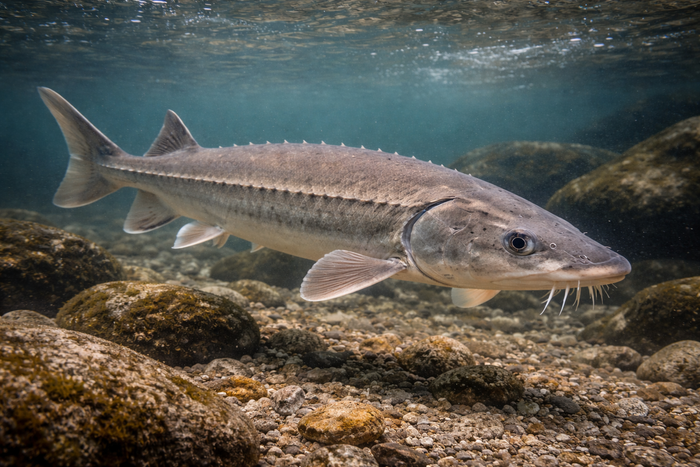
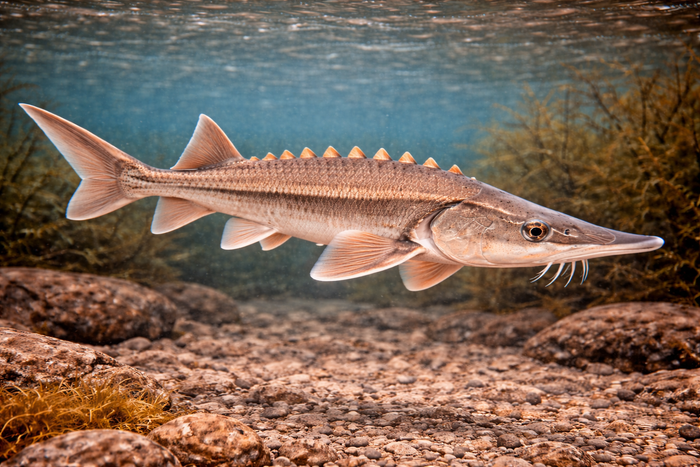
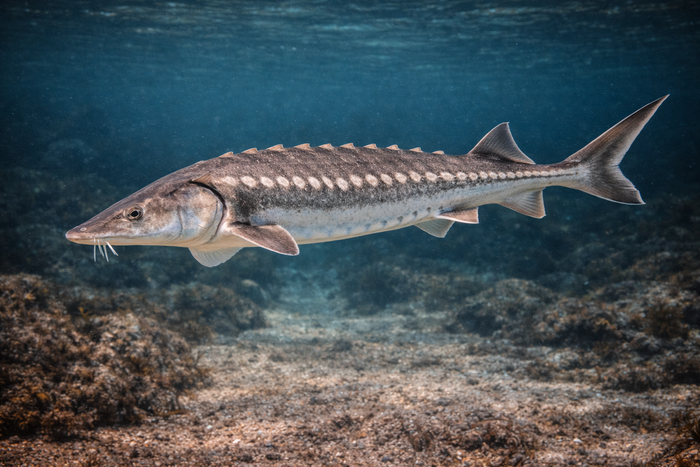
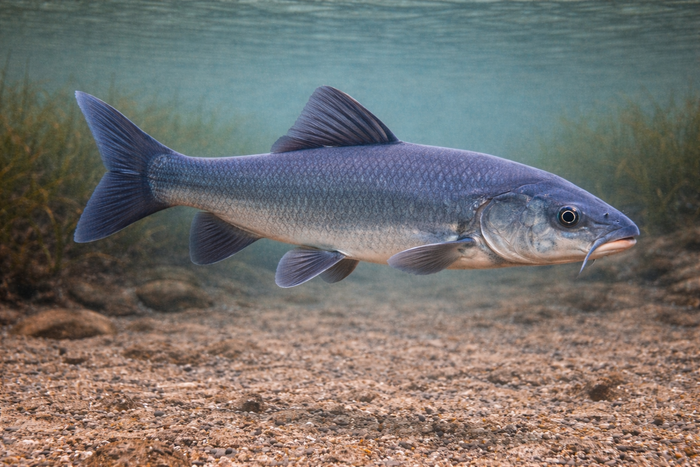
Forget sleek and streamlined. The Shortnose Sturgeon sports a stout, armored body covered in rows of bony scutes instead of typical fish scales. Its defining feature is the short, blunt snout—hence the name—that houses sensory barbels used to detect prey buried in riverbeds. Unlike many fish, it has a cartilaginous skeleton, a trait linking it to ancient fish lineages.
This species is a bottom feeder with a diet that includes small invertebrates, crustaceans, and insect larvae. Its mouth is located on the underside of its head, perfectly designed for vacuuming up food from sediment. Slow-growing and long-lived, the Shortnose Sturgeon can live for several decades, maturing late and reproducing infrequently. This life strategy makes it vulnerable but also a fascinating study in evolutionary patience.
Habitat & Global Range
Shortnose Sturgeon habitat is primarily coastal and estuarine waters along the eastern seaboard of the United States. They range from the Saint John River in Canada down to the St. Johns River in Florida. These fish prefer large rivers, estuaries, and bays where fresh and saltwater mix, creating rich feeding grounds.
They are anadromous, meaning they migrate from saltwater to freshwater to spawn. However, unlike their cousin the Atlantic Sturgeon, Shortnose Sturgeon tend to stay closer to river mouths and estuaries rather than venturing far out into the ocean. Their habitat choice reflects a balance between food availability and spawning needs, often favoring deep pools with gravel or rocky bottoms for egg deposition.
Behavior & Temperament
Shortnose Sturgeon are slow movers, cruising the bottom with deliberate grace. They are not aggressive but can be territorial during spawning season. Their sensory barbels act like underwater antennae, helping them hunt in murky waters where visibility is low.
These fish are mostly solitary outside of spawning aggregations. They communicate minimally, relying on chemical cues and subtle body movements. Their slow metabolism and cautious behavior make them masters of energy conservation, a necessity given their sporadic feeding and long migrations.
Ecological Importance
Shortnose Sturgeon play a critical role in their ecosystems. As benthic feeders, they help control populations of invertebrates and contribute to nutrient cycling by disturbing sediment layers. Their spawning activities aerate riverbeds, promoting healthy aquatic habitats.
They are also an indicator species. Healthy Shortnose Sturgeon populations signal good water quality and intact river systems. Their presence reflects a balanced ecosystem where freshwater and estuarine environments function properly. Losing them would ripple through the food web, affecting predators and prey alike.
Conservation & Environmental Pressures
Despite their ancient lineage, Shortnose Sturgeon face modern threats that push them toward the brink. Habitat destruction from dam construction, pollution, and urban development has fragmented their spawning grounds and reduced water quality. Overfishing and bycatch have historically decimated populations, though current regulations have helped stabilize some stocks.
Climate change adds another layer of complexity, altering water temperatures and flow patterns critical for spawning success. Sedimentation from land runoff can smother eggs and reduce oxygen levels in key habitats. Conservation efforts focus on habitat restoration, pollution control, and monitoring populations to prevent extinction.
The FishyAF Take
The Shortnose Sturgeon is a testament to endurance and adaptation, a species that has survived mass extinctions but now faces threats from human activity. Its unique biology and ecological role make it a flagship species for river conservation. If you care about clean rivers and healthy estuaries, protecting the Shortnose Sturgeon should be high on your list.
This fish isn’t flashy, but it’s a heavyweight in evolutionary history and ecosystem function. Understanding Shortnose Sturgeon facts and their habitat needs is crucial for anyone serious about aquatic conservation. They remind us that sometimes the slow and steady really do win the race—if we give them a fighting chance.