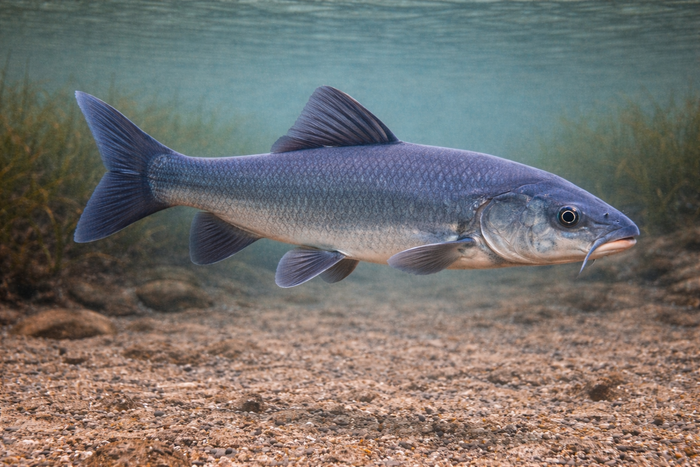
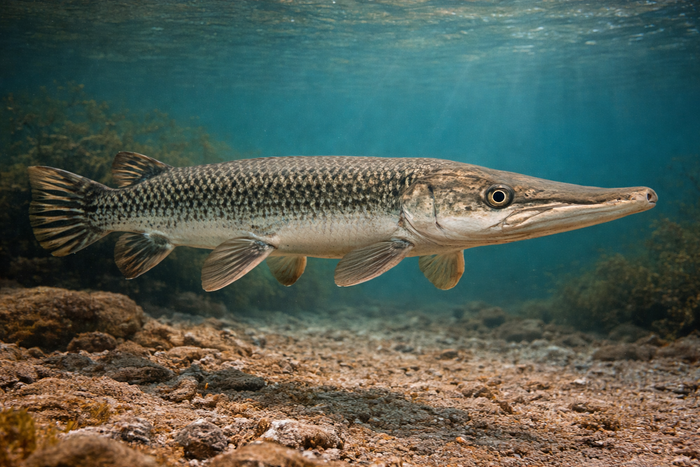
White Sturgeon (Acipenser transmontanus): The Ancient Titan of North American Waters
The White Sturgeon is not your average fish. It’s a living relic, a prehistoric giant that has cruised North America’s rivers and coastal waters for millions of years. This species commands attention with its massive size, armored body, and impressive longevity. If you want to understand a fish that’s equal parts survivor and spectacle, the White Sturgeon is your go-to. It’s a masterclass in evolutionary resilience and ecological significance wrapped in a bony, cartilaginous package.
What Makes the White Sturgeon Unique?
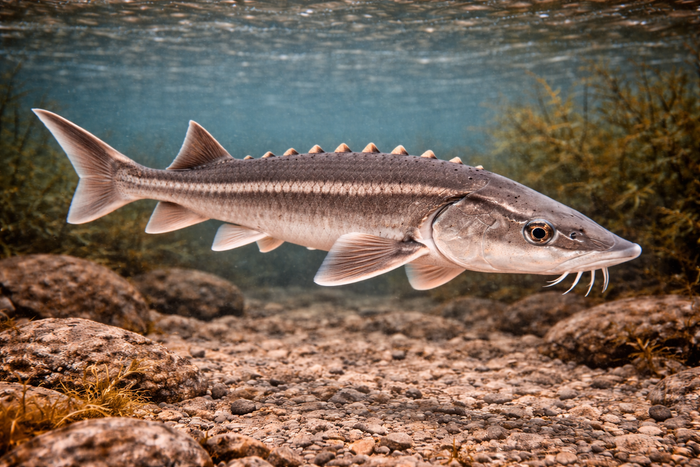
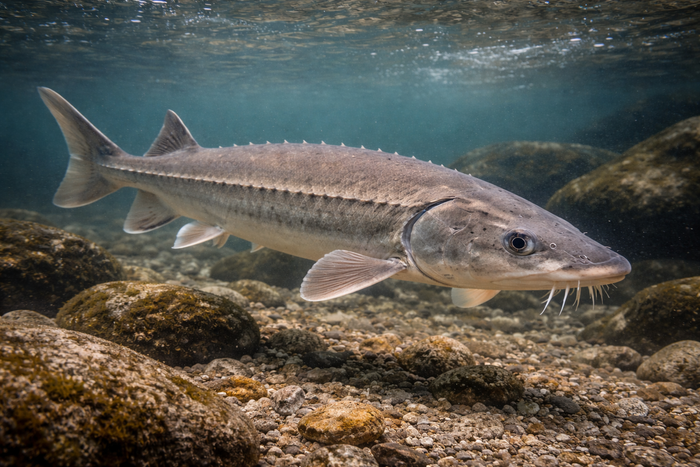
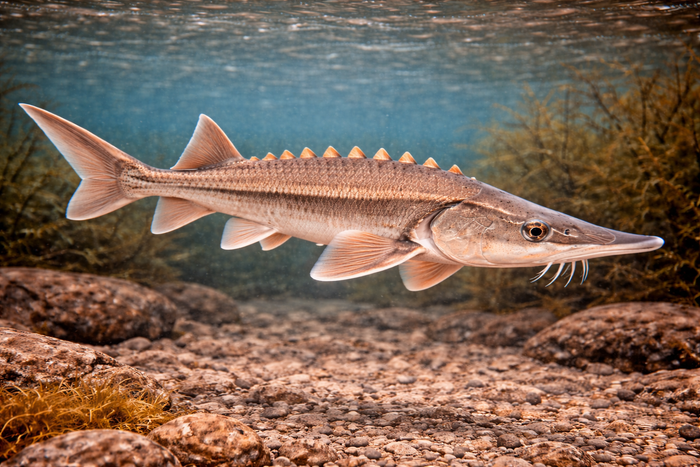
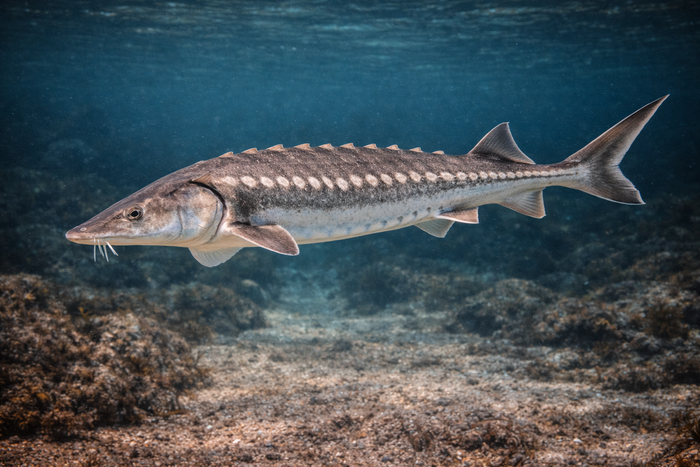
White Sturgeon are the heavyweight champions of North American freshwater and estuarine fish. They can grow up to 20 feet long and live over a century, making them one of the longest-living fish species on the continent. Their bodies are covered in rows of bony plates called scutes, which act like natural armor. Unlike most fish, they don’t have scales but these scutes provide protection and a distinctive prehistoric look.
Another standout feature is their elongated, shark-like snout equipped with sensitive barbels. These barbels act as tactile sensors, helping them detect prey buried in the riverbed or murky waters. Their mouths are located on the underside of the head, perfect for bottom-feeding on invertebrates, small fish, and organic debris. White Sturgeon also have a cartilaginous skeleton, a trait they share with sharks and rays, which contributes to their flexibility and durability.
Habitat & Global Range
White Sturgeon habitat is primarily concentrated along the Pacific coast of North America. They inhabit large river systems, estuaries, and coastal marine environments from Alaska down through California. The Columbia River, Sacramento River, and Fraser River are some of their key strongholds. These fish prefer deep, slow-moving waters with soft substrates where they can forage efficiently.
Their range is impressive but patchy, often tied to specific river systems with access to the ocean. White Sturgeon are anadromous, meaning they can migrate between freshwater and saltwater, but they spend most of their lives in freshwater or brackish environments. This adaptability allows them to exploit a variety of habitats, from deep river channels to estuarine mudflats.
Behavior & Temperament
White Sturgeon are mostly solitary creatures. They spend much of their time cruising the river bottoms, using their barbels to hunt for food. They’re not aggressive but can be territorial, especially during spawning season. These fish are slow growers and late bloomers, reaching sexual maturity anywhere from 10 to 25 years old depending on environmental conditions.
Spawning is a big deal for White Sturgeon. They migrate upstream to gravel beds in fast-flowing waters to lay eggs. This journey can be arduous, and the timing is tightly linked to water temperature and flow rates. Once spawning is done, adults return to deeper waters. Juveniles stay in freshwater for several years before venturing into estuaries or coastal areas.
Ecological Importance
White Sturgeon play a critical role in their ecosystems. As benthic feeders, they help control populations of invertebrates and small fish, maintaining a balanced food web. Their foraging behavior stirs up sediments, which can influence nutrient cycling and habitat structure in riverine environments.
They’re also a key prey species for larger predators, including humans. Their presence indicates a healthy aquatic ecosystem because they require clean, well-oxygenated water and intact migratory corridors to thrive. Losing White Sturgeon means losing a vital piece of the ecological puzzle in Pacific coastal watersheds.
Conservation & Environmental Pressures
Despite their ancient lineage and robust build, White Sturgeon face serious threats. Habitat degradation is the biggest issue. Dams, water diversions, and pollution have fragmented their spawning grounds and altered river flows. This disrupts migration patterns and reduces reproductive success.
Overfishing, both commercial and recreational, has historically depleted populations. Although regulations have improved, illegal fishing and bycatch remain concerns. Climate change adds another layer of complexity by affecting water temperatures and flow regimes, potentially shifting suitable habitat ranges.
Conservation efforts focus on habitat restoration, dam removal or modification, and stricter fishing controls. Hatchery programs attempt to bolster wild stocks, but they come with risks like genetic dilution and disease. The future of White Sturgeon depends on balancing human needs with ecological integrity.
The FishyAF Take
White Sturgeon are the ultimate proof that fish can be both ancient and awe-inspiring. They’re not just big fish; they’re living monuments to evolutionary success and environmental complexity. Understanding White Sturgeon facts and their habitat challenges is crucial for anyone serious about North American freshwater conservation.
If you want a fish that commands respect, demands thoughtful stewardship, and embodies the wild spirit of the Pacific coast’s rivers, the White Sturgeon fits the bill. They’re slow to mature, slow to reproduce, and slow to forgive environmental insults. Protecting them means protecting the rivers themselves—and by extension, the countless species and human communities that depend on them. White Sturgeon aren’t just fish; they’re ecosystem engineers and living history. Treat them accordingly.