Blue Sucker (Cycleptus elongatus): The River’s Sleek Dynamo with a Mouthful of Muscle
The Blue Sucker is not your average freshwater fish. With its streamlined body and unmistakable blue-gray sheen, this species commands attention in the rivers it calls home. Cycleptus elongatus, as it’s scientifically known, is a master of endurance and speed, built to thrive in fast-flowing waters where few others dare to linger. If you’re diving into Blue Sucker facts, get ready to meet a fish that’s as fascinating as it is elusive.
What Makes the Blue Sucker Unique?
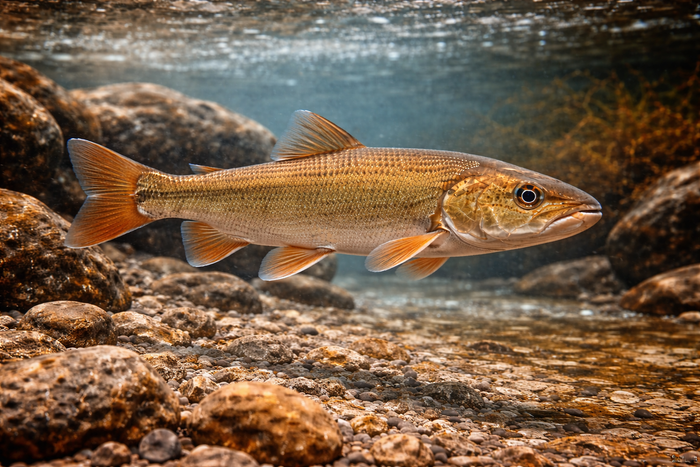
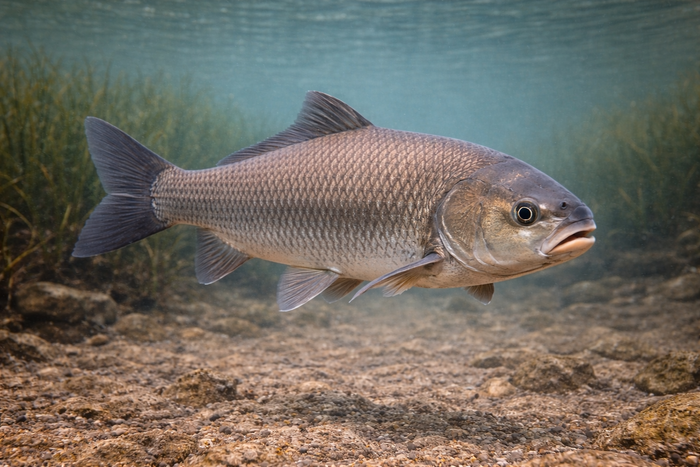
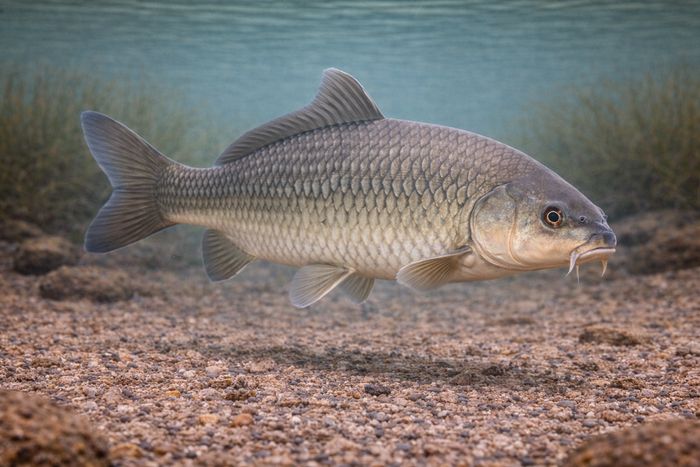
The Blue Sucker’s most striking feature is its elongated, torpedo-shaped body paired with a large, sucker-like mouth that’s perfectly designed for clinging to rocks and scraping algae in swift currents. Unlike many freshwater fish that prefer calmer waters, the Blue Sucker thrives in strong, turbulent flows. Its muscular build and powerful fins allow it to hold position and move efficiently against the current.
Its coloration is another standout. The subtle blue-gray tones shimmer under sunlight, blending with the riverbed while giving it a ghostly, almost ethereal appearance. This fish can grow impressively long, often reaching lengths that make it one of the larger native fish in its range. Its size and shape make it a top contender in the river ecosystem, but it’s not aggressive. Instead, it relies on speed and stamina to navigate its environment.
Habitat & Global Range
Blue Sucker habitat is all about fast, clean, oxygen-rich rivers and large streams across the central and eastern United States. They prefer deep pools and runs with gravel or rocky bottoms where the current is strong and steady. This fish is a specialist in river systems that maintain high water quality and consistent flow, often found in the Mississippi River basin and its tributaries.
Their range extends from the Missouri River down through the Mississippi and into parts of the Ohio and Tennessee River systems. They avoid stagnant waters and are rarely found in lakes or reservoirs, making their presence a good indicator of healthy river ecosystems. Seasonal migrations are common, with Blue Suckers moving upstream to spawn in gravel beds during spring and early summer.
Behavior & Temperament
Blue Suckers are built for endurance, not confrontation. They spend much of their time cruising mid-water or near the bottom, using their sucker mouth to graze on algae and detritus while also feeding on small invertebrates. Their swimming style is smooth and powerful, designed to resist strong currents rather than darting in quick bursts.
They are generally solitary or found in small groups, avoiding large schools or aggressive interactions. When spawning, males become more territorial, but outside of that period, they keep a low profile. Their temperament is calm but wary, making them challenging to catch and observe. They’re not the kind of fish that will jump at every lure or bait, requiring patience and skill from anglers.
Ecological Importance
The Blue Sucker plays a critical role in maintaining the health of river ecosystems. By grazing on algae and organic matter, they help control algal blooms and contribute to nutrient cycling. Their feeding habits keep the riverbed clean, which benefits other aquatic species, including invertebrates and smaller fish.
As a mid-level species, they serve as both predator and prey. They consume insects and small crustaceans, while larger fish and birds prey on them. Their presence indicates a balanced ecosystem with good water quality and habitat integrity. Blue Suckers also contribute to the genetic diversity of river fish populations, supporting overall resilience in these freshwater systems.
Conservation & Environmental Pressures
Despite their adaptability, Blue Suckers face significant environmental pressures. Habitat degradation from dam construction, pollution, and sedimentation disrupts their spawning grounds and reduces water quality. Altered flow regimes can prevent them from reaching traditional breeding sites, impacting population numbers.
Urbanization and agricultural runoff introduce contaminants that affect their health and reproductive success. Additionally, invasive species compete for food and habitat, further stressing Blue Sucker populations. While not currently listed as endangered, their numbers have declined in some areas, prompting conservation efforts focused on habitat restoration and water quality improvement.
Protecting Blue Sucker habitat means preserving free-flowing rivers with clean, oxygen-rich water and intact gravel beds. Conservation programs often involve collaboration between government agencies, local communities, and environmental groups to monitor populations and mitigate human impacts.
The FishyAF Take
The Blue Sucker is a testament to the power of specialization in the wild. It’s a fish that refuses to settle for easy waters, instead carving out a niche in some of the most challenging freshwater environments. If you want to understand river health, keep an eye on the Blue Sucker. It’s a living barometer of clean, flowing water and a reminder that even the most unassuming fish can be a powerhouse in their ecosystem.
For anglers and conservationists alike, the Blue Sucker demands respect. It’s not flashy or aggressive, but it’s built to last and adapt. Learning about Blue Sucker facts and their habitat opens a window into the complex dynamics of river systems and the delicate balance required to keep them thriving. In a world where freshwater habitats are under constant threat, the Blue Sucker stands as a bold symbol of resilience and ecological importance.