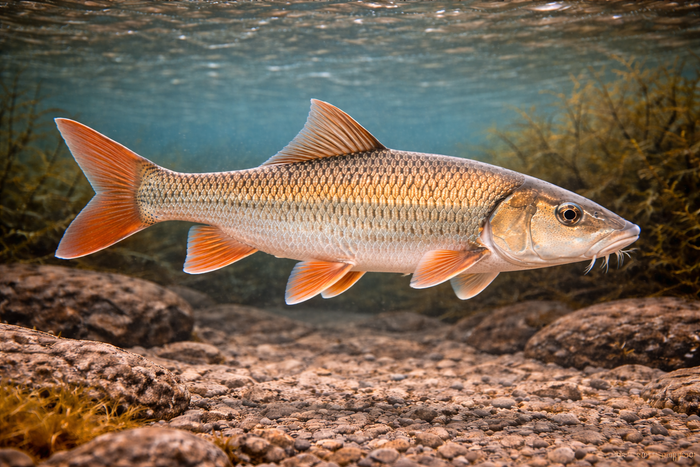
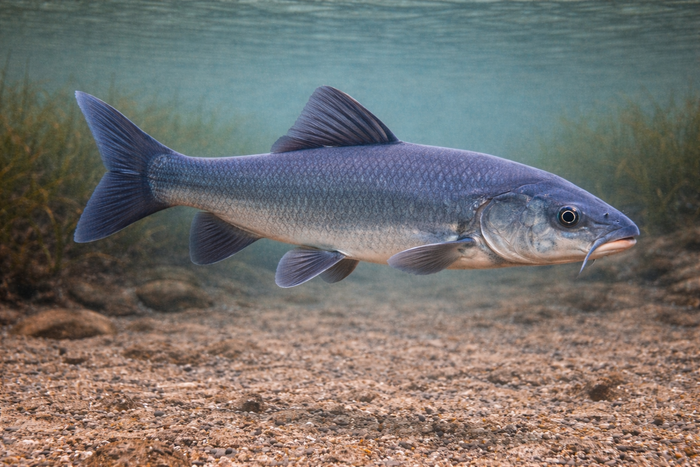
Buffalo Carp (Ictiobus bubalus): The Big, Tough Bottom-Feeder That Commands Respect
If you think carp are just those pesky fish that ruin your fishing trip, meet the Buffalo Carp. This heavyweight native of North America isn’t just another bottom feeder. The Buffalo Carp, scientifically known as Ictiobus bubalus, is a robust, long-lived species that plays a critical role in freshwater ecosystems. It’s a fish that demands attention—not just for its size but for its ecological significance and unique behavior. Whether you’re an angler, conservationist, or just a fish enthusiast, understanding the Buffalo Carp is essential for appreciating the complexity of riverine habitats.
What Makes the Buffalo Carp Unique?
Buffalo Carp stand out in the crowded carp family for several reasons. First, they are among the largest native freshwater fish in North America, capable of reaching impressive sizes that rival many game fish. Unlike their invasive carp cousins, Buffalo Carp are native and have evolved alongside the ecosystems they inhabit, making them a key component rather than a disruptor.
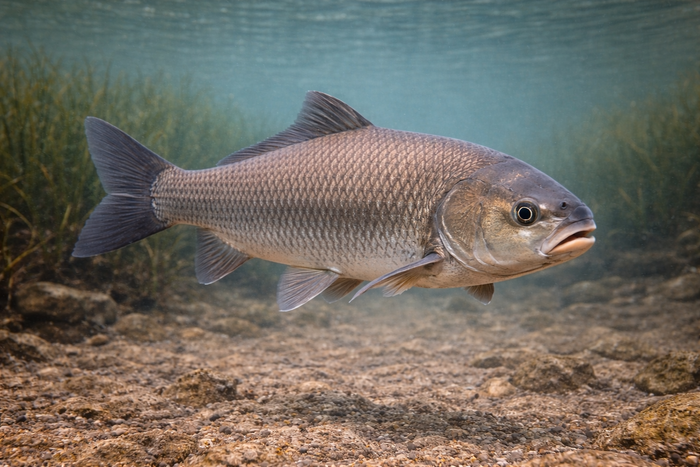
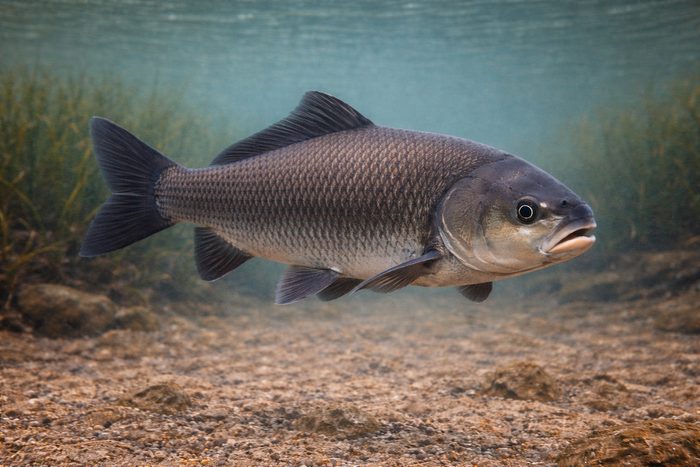
Their body shape is stout and muscular, built for endurance rather than speed. The mouth is subterminal, designed for bottom feeding, scraping up detritus, algae, and small invertebrates. This feeding strategy helps recycle nutrients within their habitat, a trait not all carp share. Another unique aspect is their longevity; some individuals live for decades, which is rare for freshwater fish. This long lifespan means they contribute to the stability of their populations and the ecosystems they occupy.
Habitat & Global Range
Buffalo Carp are native to the central and eastern United States, primarily found in the Mississippi River basin and its tributaries. Their habitat preference leans toward large rivers, reservoirs, and slow-moving streams with muddy or sandy bottoms. They thrive in warm, turbid waters where they can forage efficiently along the substrate.
Unlike many fish that prefer clear water, Buffalo Carp are well-adapted to murky environments. This tolerance allows them to occupy habitats that might be less hospitable to other species, giving them a competitive edge. Their range extends from the Great Lakes region down to the Gulf of Mexico, covering a broad swath of freshwater systems. Understanding Buffalo Carp habitat is crucial for managing their populations and ensuring the health of the waterways they inhabit.
Behavior & Temperament
Buffalo Carp are not your typical aggressive fish. They are generally peaceful and tend to avoid confrontation, preferring to feed and move in groups. Schooling behavior is common, especially among juveniles, which provides safety in numbers against predators.
Their feeding behavior is methodical and persistent. They sift through sediment, consuming organic matter and small organisms. This bottom-feeding habit means they play a vital role in sediment turnover and nutrient cycling. Buffalo Carp are also known for their seasonal movements, often migrating upstream to spawn during spring floods. This migration is a critical life stage that ensures genetic diversity and population resilience.
Despite their calm demeanor, Buffalo Carp are strong fighters when hooked, making them a prized catch for anglers who appreciate a challenge beyond the usual bass or catfish.
Ecological Importance
Buffalo Carp are ecological workhorses. Their feeding habits help control algae and detritus buildup, maintaining water quality and clarity. By disturbing the sediment, they promote nutrient recycling, which supports the growth of aquatic plants and the overall food web.
They serve as prey for larger predators like bass, pike, and birds of prey, integrating themselves into the food chain at multiple levels. Their spawning migrations contribute to the connectivity of river systems, facilitating gene flow and supporting biodiversity.
In ecosystems where Buffalo Carp thrive, their presence often indicates a relatively healthy, functioning aquatic environment. They are bioindicators, reflecting the state of their habitat through their population health and behavior.
Conservation & Environmental Pressures
Despite their hardiness, Buffalo Carp face several threats. Habitat degradation from dam construction, pollution, and sedimentation disrupts their spawning grounds and feeding areas. Water quality issues, including chemical runoff and eutrophication, can impact their health and reproductive success.
Overfishing, while not as intense as for some game fish, still poses a risk in certain regions. Additionally, competition and hybridization with invasive carp species can dilute their genetic integrity and reduce their numbers.
Conservation efforts focus on habitat restoration, improving water quality, and regulating harvests to ensure sustainable populations. Protecting Buffalo Carp habitat is vital not just for the species itself but for the broader health of freshwater ecosystems they support.
The FishyAF Take
Buffalo Carp are the unsung heroes of North American freshwater systems. They don’t have the flash of a bass or the notoriety of invasive carp, but their ecological role is undeniable. If you’re serious about understanding river health or looking for a unique fishing challenge, the Buffalo Carp deserves your attention.
This species reminds us that not all carp are created equal. Buffalo Carp facts reveal a fish that’s tough, resilient, and essential to the waterways it calls home. Respect the Buffalo Carp, and you respect the complex, interconnected world beneath the water’s surface.