River Carpsucker (Carpiodes carpio): The Bottom-Feeding Dynamo You Didn’t Know You Needed
The River Carpsucker is one of those fish that slips under the radar but deserves a second look. With its sleek, silvery body and distinctive sucker mouth, it’s a freshwater species that thrives in North America’s rivers and reservoirs. Far from a mere carp look-alike, this fish plays a vital role in aquatic ecosystems and offers anglers a unique catch. If you’re diving into River Carpsucker facts, prepare to discover a fish that’s as fascinating as it is functional.
What Makes the River Carpsucker Unique?
The River Carpsucker stands out primarily because of its specialized mouth adapted for bottom feeding. Unlike many fish that snap at prey mid-water, this species uses its sucker-like lips to vacuum up detritus, algae, and small invertebrates from riverbeds. This feeding method not only sets it apart but also influences its role in the ecosystem.
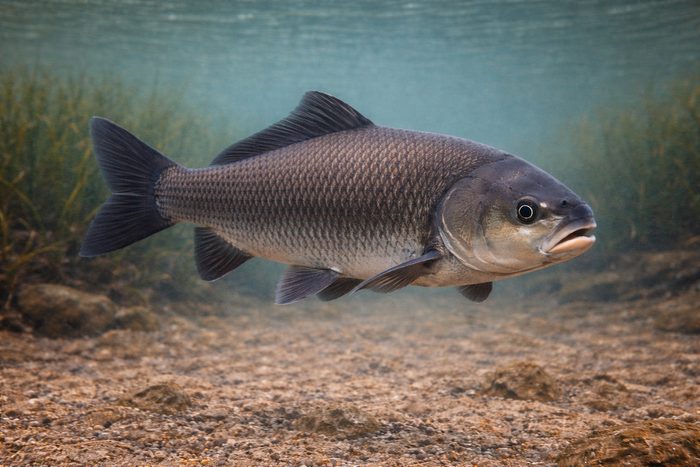
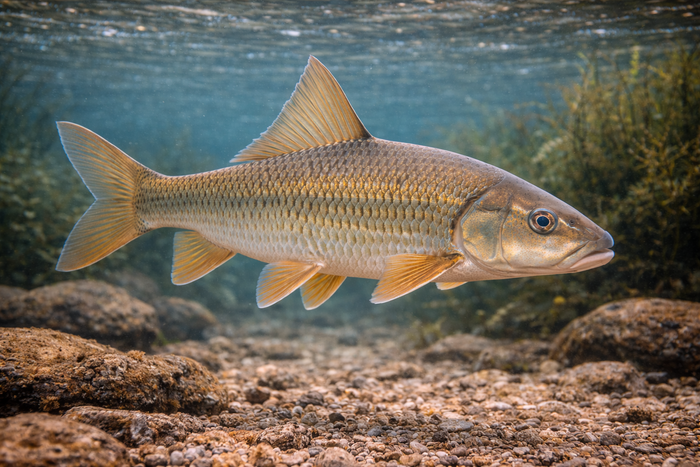
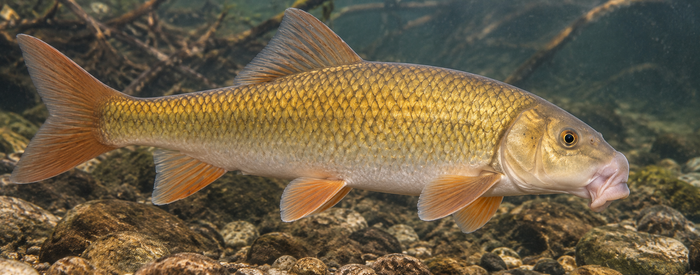
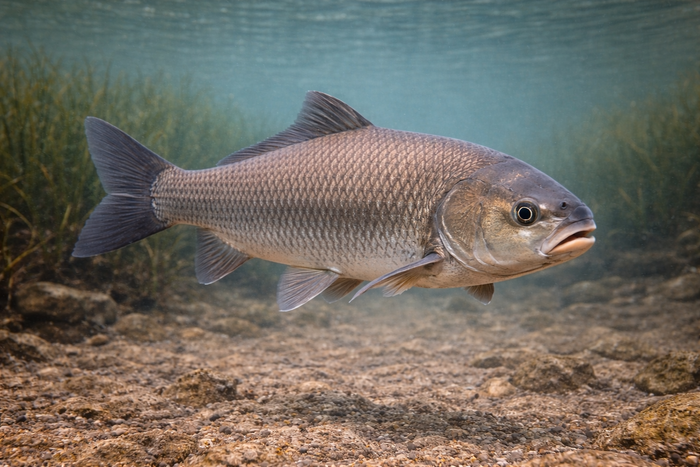
Physically, it sports a long, compressed body with a silvery sheen and a slightly humped back near the head. Its dorsal fin is short and rounded, and the tail is deeply forked, giving it a streamlined profile. The River Carpsucker’s scales are large and reflective, which can flash brilliantly in sunlight, making it easier to spot if you know where to look.
Unlike its carp cousins, it doesn’t have barbels (those whisker-like appendages), which is a quick way to tell them apart. The River Carpsucker’s mouth is positioned on the underside of its head, perfectly designed for scraping food off the substrate rather than chasing down prey.
Habitat & Global Range
River Carpsuckers are native to the freshwater systems of the eastern and central United States, with their range extending from the Great Lakes down through the Mississippi River basin and into parts of the Gulf Coast. They prefer moderate to large rivers with clear to slightly turbid water, often favoring sandy or gravelly bottoms.
The River Carpsucker habitat typically includes slow to moderately flowing waters where it can forage efficiently. They’re also found in reservoirs and large lakes connected to river systems. Unlike some species that require pristine conditions, River Carpsuckers can tolerate a range of water qualities, though they thrive best in well-oxygenated environments.
Seasonally, they may move to different parts of the river system for spawning, often heading upstream to gravel bars or shallow riffles. This mobility within their habitat is crucial for their reproductive success and maintaining population health.
Behavior & Temperament
If you’re wondering about the River Carpsucker’s personality, think low-key but persistent. This species is not aggressive and generally keeps to itself, cruising along the bottom in search of food. It’s a social fish, often found in schools, which can number from a handful to several dozen individuals.
Their feeding behavior is methodical and efficient. Using their sucker mouth, they vacuum up organic material and sift through sediment to extract edible bits. This bottom-feeding habit means they’re often overlooked by anglers targeting more flashy or aggressive species, but they’re a worthy catch for those who appreciate subtlety.
During spawning season, males become more active and may display slight territorial behavior, but nothing too dramatic. Outside of that, they’re peaceful and rarely compete aggressively for resources.
Ecological Importance
The River Carpsucker is an unsung hero in freshwater ecosystems. By feeding on detritus and benthic invertebrates, it helps recycle nutrients and maintain the health of riverbeds. This activity prevents the buildup of organic matter that could otherwise lead to oxygen depletion and poor water quality.
Moreover, their foraging stirs up sediments, which can aid in nutrient cycling and support a diverse community of microorganisms. This sediment turnover is a subtle but vital process that keeps aquatic habitats balanced.
They also serve as prey for larger predatory fish, birds, and mammals, linking lower and higher trophic levels. Their presence indicates a functioning ecosystem, as they require a certain level of water quality and habitat complexity to thrive.
Conservation & Environmental Pressures
While the River Carpsucker is not currently listed as endangered or threatened, it faces pressures common to many freshwater species. Habitat degradation from dam construction, pollution, and sedimentation can disrupt their spawning grounds and reduce food availability.
Water quality issues, including increased turbidity and chemical runoff, can also impact their populations. Because they rely on benthic habitats, any alteration to riverbeds—whether from dredging, mining, or invasive species—can have outsized effects.
Conservation efforts that focus on maintaining river connectivity, improving water quality, and protecting spawning habitats benefit the River Carpsucker along with countless other species. Monitoring populations and habitat conditions remains essential to ensure this species continues to thrive.
The FishyAF Take
The River Carpsucker is a classic example of a fish that flies under the radar but deserves respect. It’s not flashy or aggressive, but it’s a crucial player in freshwater ecosystems. Its unique feeding strategy and habitat preferences make it a fascinating subject for anglers and biologists alike.
If you want to expand your freshwater fishing horizons or deepen your understanding of river ecology, the River Carpsucker is a perfect starting point. It reminds us that not all important fish are the ones jumping out of the water or chasing bait aggressively. Sometimes, the real MVPs are the bottom feeders quietly keeping the system running.
Next time you’re near a river with sandy or gravelly bottoms, keep an eye out for the silvery flash of the River Carpsucker. It’s a subtle but bold reminder that every fish has a role, and every role matters.