Golden Redhorse (Moxostoma erythrurum): The Underrated Bottom-Feeder That Commands Attention
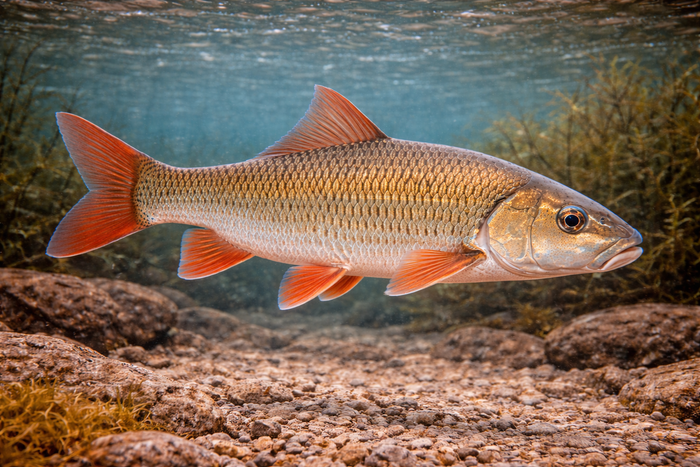
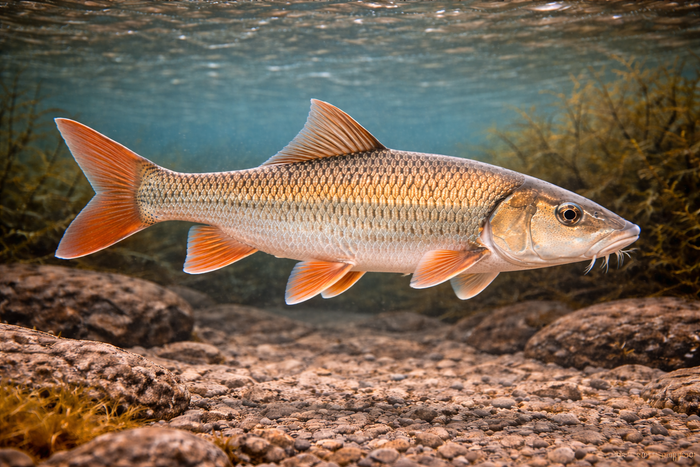
The Golden Redhorse is not your average freshwater fish. Sporting a striking golden-bronze sheen and a robust, elongated body, this suckerfish stands out in the crowded world of North American river species. Often overshadowed by flashier game fish, the Golden Redhorse deserves a closer look for anglers, biologists, and conservationists alike. This species combines resilience, ecological significance, and a distinctive appearance that makes it a fascinating subject for anyone interested in freshwater ecosystems.
What Makes the Golden Redhorse Unique?
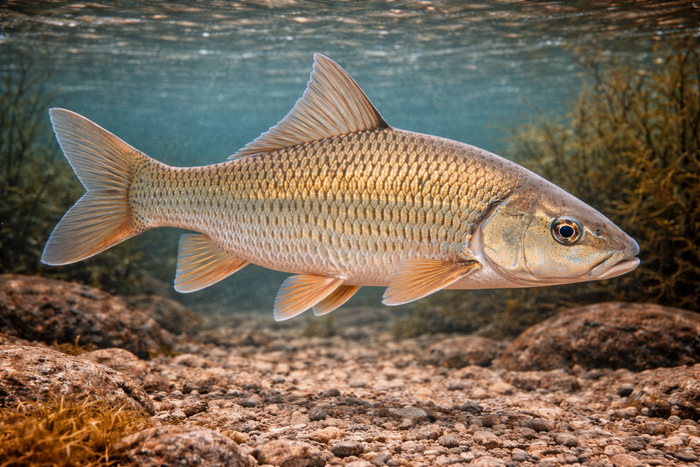
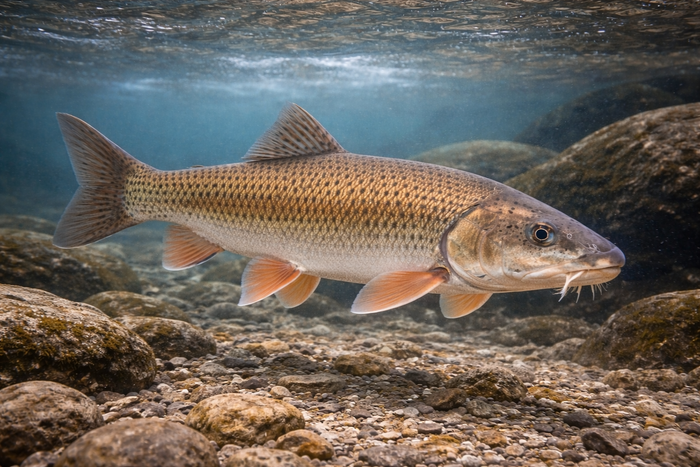
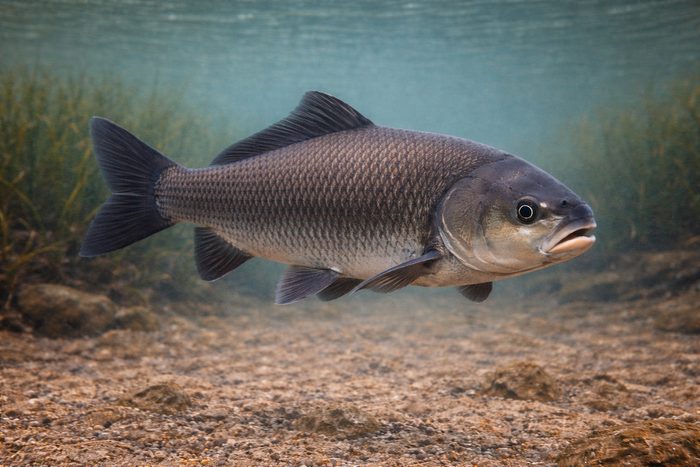
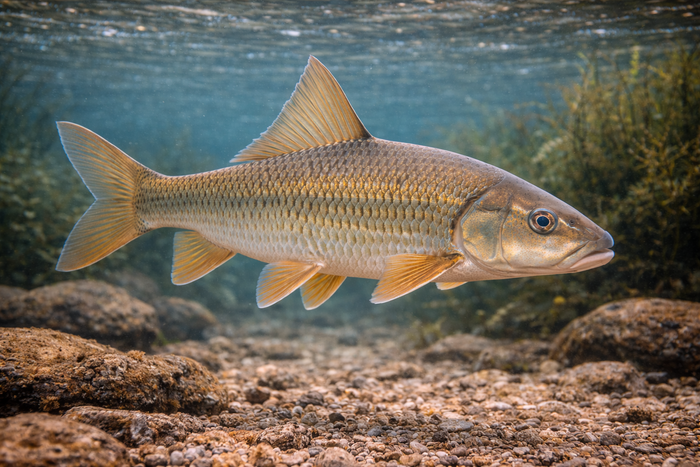
Golden Redhorse is a member of the sucker family, a group often dismissed by casual anglers but vital in freshwater food webs. What sets the Golden Redhorse apart is its vibrant coloration—golden to reddish hues that shimmer in clear water—and its specialized mouth adapted for bottom feeding. Unlike predatory fish, it uses its sucker-like lips to vacuum up invertebrates, algae, and detritus from riverbeds.
Its body shape is streamlined yet sturdy, built for navigating moderate currents. The species also boasts a set of pharyngeal teeth that help crush hard-shelled prey, a handy adaptation for its benthic lifestyle. This fish isn’t just a scavenger; it’s a finely tuned machine for extracting nutrients from the substrate, making it a key player in nutrient cycling.
Habitat & Global Range
Golden Redhorse habitat centers on clean, well-oxygenated rivers and streams with gravel or sandy bottoms. It favors moderate to swift currents but can also be found in quieter pools adjacent to riffles. This species is native to eastern and central North America, ranging from the Great Lakes basin down through the Mississippi River system and into parts of the southeastern United States.
Its preference for clear water means it’s often found in watersheds with minimal pollution and good riparian vegetation. The Golden Redhorse is a freshwater specialist, rarely venturing into brackish or stagnant waters. Understanding Golden Redhorse habitat is crucial for conservation efforts, as water quality directly impacts its survival and reproductive success.
Behavior & Temperament
Golden Redhorse behavior is a study in efficiency. It spends much of its time cruising along the bottom, methodically foraging for food. Unlike aggressive predators, it’s a peaceful species that avoids confrontation. Its temperament is calm, making it less likely to compete aggressively with other fish for territory.
Spawning behavior is particularly interesting. In spring, Golden Redhorse migrate upstream to gravel beds where females scatter eggs while males fertilize them externally. This broadcast spawning strategy relies on clean substrates free from silt to ensure egg survival. Juveniles grow quickly, feeding on small invertebrates before transitioning to a more varied diet as adults.
Ecological Importance
The Golden Redhorse plays a vital role in freshwater ecosystems. By feeding on benthic invertebrates and organic matter, it helps control populations of aquatic insects and contributes to the breakdown of detritus. This activity promotes nutrient recycling, which supports the entire aquatic food web.
Moreover, Golden Redhorse serves as prey for larger fish, birds, and mammals, linking lower trophic levels to apex predators. Its presence often indicates a healthy aquatic environment, making it an important bioindicator species. Ignoring the Golden Redhorse means overlooking a critical component of riverine biodiversity.
Conservation & Environmental Pressures
Despite its resilience, the Golden Redhorse faces mounting environmental pressures. Habitat degradation from sedimentation, pollution, and dam construction disrupts its spawning grounds and reduces water quality. Urbanization and agricultural runoff introduce toxins and excess nutrients, leading to habitat loss and population declines.
Invasive species also pose threats by competing for food and altering habitat structure. Climate change adds another layer of complexity, potentially shifting water temperatures and flow regimes beyond the species’ tolerance.
Conservation efforts focus on protecting and restoring river habitats, improving water quality, and maintaining natural flow patterns. Monitoring Golden Redhorse populations provides valuable data on ecosystem health, guiding management decisions.
The FishyAF Take
The Golden Redhorse is a powerhouse of ecological function wrapped in a flashy, underrated package. It’s a species that demands respect—not just from anglers looking for a unique catch but from anyone invested in freshwater conservation. Its specialized feeding habits, striking appearance, and role in maintaining healthy river systems make it a fish worth knowing.
If you’re serious about understanding North American freshwater ecosystems, the Golden Redhorse is a species you can’t afford to overlook. It’s proof that sometimes the most important players aren’t the loudest or the flashiest but the ones quietly keeping the system running. Next time you’re by a clear river, keep an eye on the bottom—you might just spot this golden gem cruising along, doing its vital work.