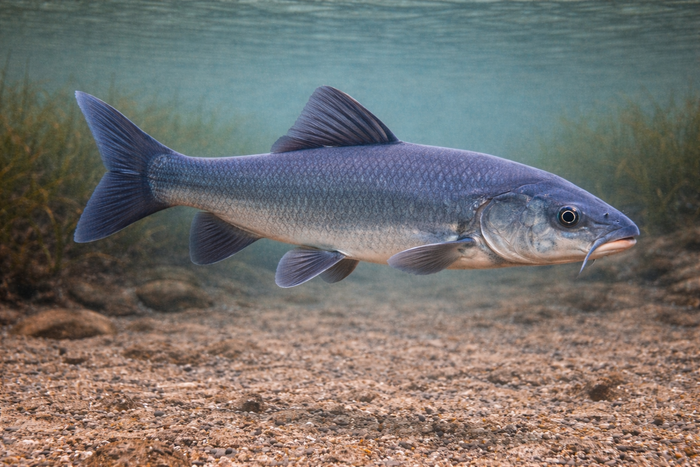
Largescale Sucker (Catostomus macrocheilus): The Bottom-Feeding Dynamo That Keeps Rivers in Check
The Largescale Sucker is not your average river dweller. This freshwater fish commands attention with its robust body and distinctive large scales, making it a standout in North American waterways. Known scientifically as Catostomus macrocheilus, it’s a species that plays a pivotal role in freshwater ecosystems, yet often flies under the radar in the angling and conservation communities. If you’re diving into Largescale Sucker facts, prepare for a deep dive into a fish that’s as tough as it is ecologically vital.
What Makes the Largescale Sucker Unique?
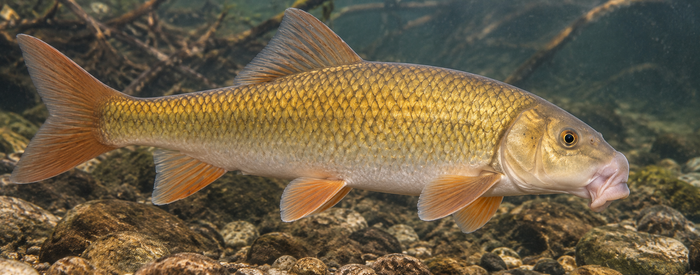
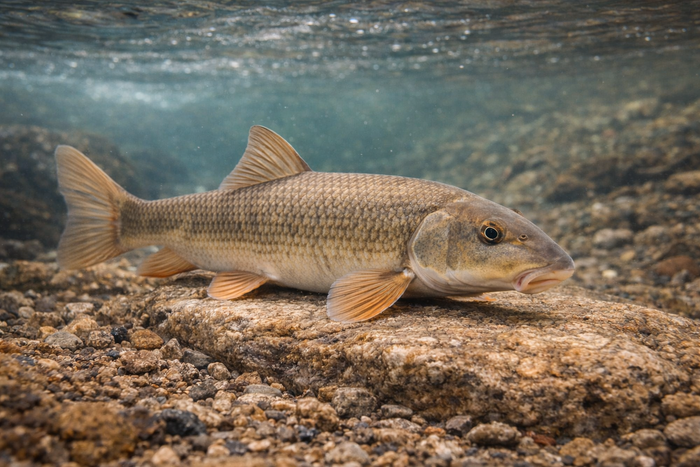
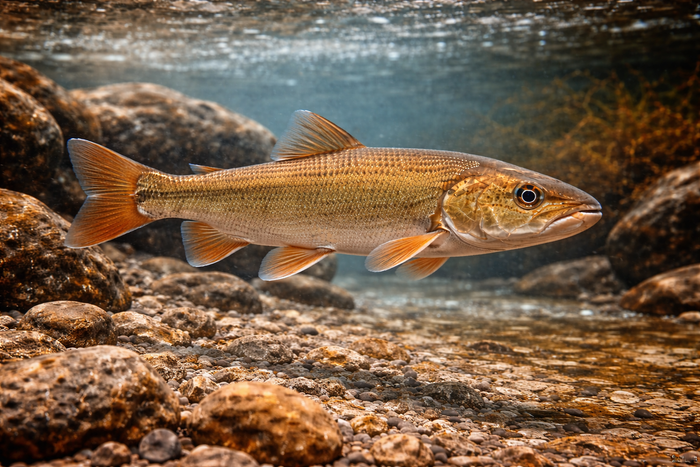
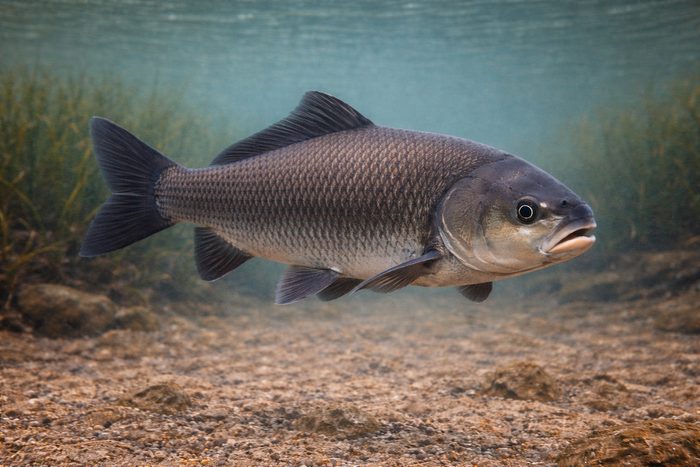
The Largescale Sucker’s defining feature is, unsurprisingly, its large, thick scales that give it a rugged armor-like appearance. These scales aren’t just for show; they provide protection against predators and rough riverbeds. Its mouth is another standout trait—positioned on the underside of its head, it’s perfectly adapted for bottom feeding. This sucker uses its fleshy, sucker-like lips to scrape algae, detritus, and small invertebrates off rocks and sediment, making it a natural cleaner of freshwater habitats.
Unlike flashy game fish, the Largescale Sucker’s coloration is muted—shades of olive, brown, and gray dominate, helping it blend into the riverbed. But don’t mistake its subtle looks for weakness. This fish is built for endurance, capable of navigating strong currents and murky waters with ease.
Habitat & Global Range
The Largescale Sucker calls the Pacific Northwest home, with a range extending from the Columbia River basin down through parts of California and into British Columbia. Its preferred Largescale Sucker habitat includes clear, cool rivers and streams with gravel or rocky bottoms. It thrives in areas where water flow is steady but not torrential, often favoring mid-sized rivers over tiny creeks or massive waterways.
This sucker is highly adaptable within its range, tolerating a variety of water conditions as long as the substrate supports its bottom-feeding lifestyle. Seasonal migrations are common, especially during spawning when they move to shallower, gravelly riffles to lay eggs. Understanding the Largescale Sucker habitat is key to appreciating its ecological niche and the challenges it faces.
Behavior & Temperament
The Largescale Sucker is a bottom feeder through and through, spending most of its time cruising riverbeds in search of food. It’s not a flashy hunter but a persistent forager, using its specialized mouth to vacuum up algae, organic matter, and small invertebrates. This feeding behavior keeps river ecosystems balanced by controlling algae growth and recycling nutrients.
Socially, Largescale Suckers are generally peaceful and often found in small groups or loose schools. They’re not aggressive and tend to avoid confrontation, focusing instead on feeding and spawning activities. During spawning season, males become more territorial, competing for prime nesting spots, but outside of that, they maintain a low profile.
Ecological Importance
Don’t let the name “sucker” fool you into thinking this fish is a pest. The Largescale Sucker is an ecological powerhouse. By grazing on algae and detritus, it helps maintain water quality and clarity, preventing algal blooms that can suffocate aquatic life. Its feeding habits also promote nutrient cycling, breaking down organic matter and making nutrients available to other organisms.
Moreover, Largescale Suckers serve as prey for larger fish, birds, and mammals, anchoring the food web in their freshwater environments. Their spawning activities aerate gravel beds, improving habitat conditions for other species’ eggs and larvae. In short, they’re ecosystem engineers disguised as humble bottom feeders.
Conservation & Environmental Pressures
Despite their ecological value, Largescale Suckers face mounting pressures. Habitat degradation from dam construction, water pollution, and sedimentation threatens their spawning grounds and feeding habitats. Altered flow regimes can disrupt their migration and breeding cycles, while increased sediment loads can smother the gravel beds essential for egg laying.
Invasive species and competition from introduced fish also pose challenges, potentially reducing food availability and increasing predation risks. While not currently listed as endangered, local populations have shown declines, signaling the need for monitoring and habitat restoration efforts.
Protecting Largescale Sucker habitat means preserving clean, free-flowing rivers with intact gravel substrates. Conservation strategies must balance human water use with the ecological needs of this species to ensure it continues its vital role in freshwater ecosystems.
The FishyAF Take
The Largescale Sucker is the unsung hero of river systems—unflashy but indispensable. It’s a fish that demands respect for its resilience and ecological contributions. If you’re serious about understanding freshwater ecosystems, ignoring the Largescale Sucker is a mistake. It’s a bottom feeder with a top-tier role in maintaining river health.
For anglers, it’s not the trophy fish, but for conservationists and ecologists, it’s a bellwether species signaling the health of freshwater habitats. The next time you’re near a Pacific Northwest river, remember the Largescale Sucker is working hard beneath the surface, keeping the ecosystem balanced and thriving. That’s a fish worth knowing.