Black Buffalo (Ictiobus niger): The Sturdy Giant of North American Waters
The Black Buffalo is not your average freshwater fish. This hefty, slow-growing species commands respect with its robust frame and longevity. Often overshadowed by more flashy game fish, the Black Buffalo deserves a spotlight for its unique biology and ecological role. If you’re after Black Buffalo facts that go beyond the basics, you’re in the right place.
What Makes the Black Buffalo Unique?
The Black Buffalo stands out for several reasons. First, its size and lifespan are impressive. These fish can live for decades, with some individuals reaching 60 years or more. That’s ancient in fish years. Unlike many other freshwater species, the Black Buffalo grows slowly but steadily, eventually reaching substantial sizes that make it a heavyweight in its environment.
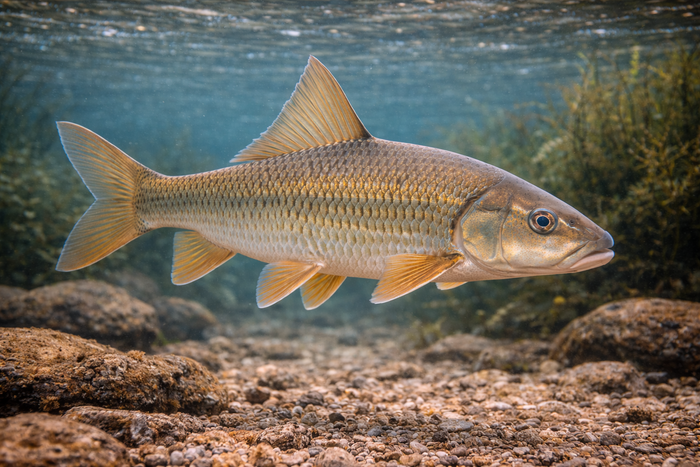
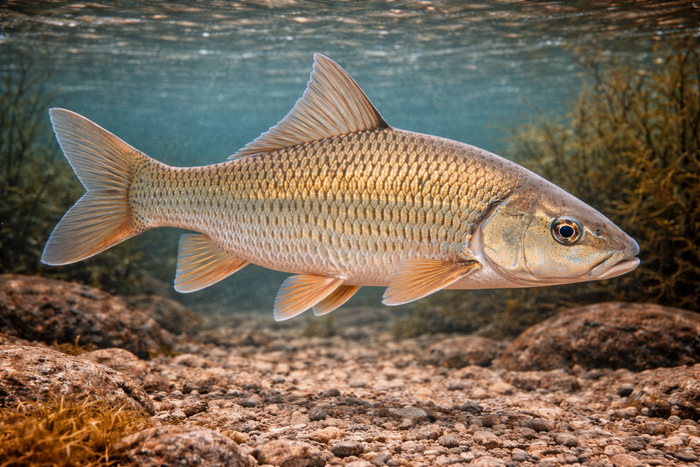
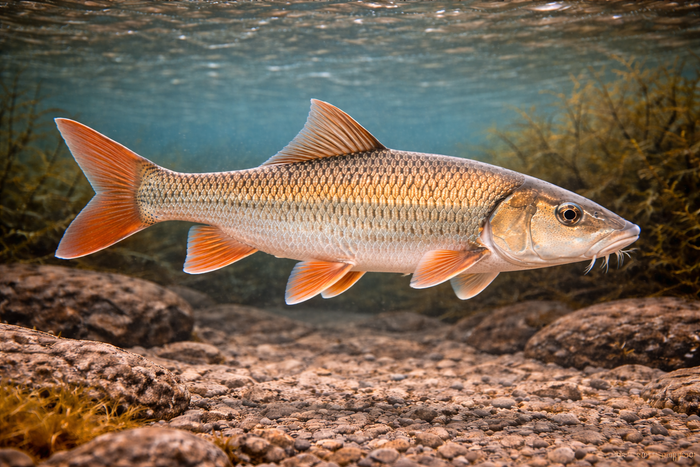
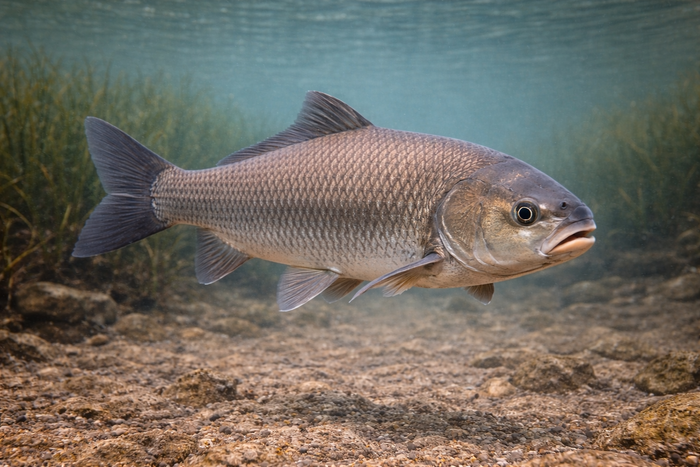
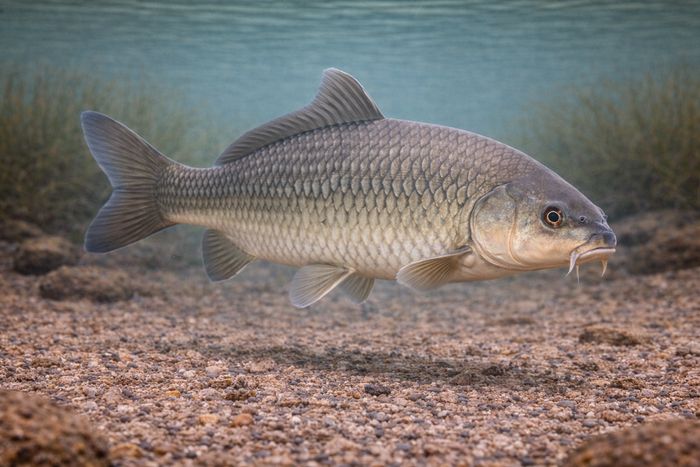
Physically, the Black Buffalo sports a deep, compressed body with a dark, almost black coloration that gives it its name. Its mouth is subterminal, adapted for bottom feeding rather than chasing prey. This fish is a filter feeder, sifting through sediment and water to consume detritus, algae, and small invertebrates. This feeding strategy sets it apart from many other large freshwater fish that rely on active predation.
Another unique trait is its reproductive strategy. Black Buffalo spawn in late spring to early summer, releasing eggs over gravel or rocky substrates in flowing water. Their eggs are adhesive, sticking to the bottom rather than floating away. This reproductive method helps ensure higher survival rates for the offspring in dynamic river environments.
Habitat & Global Range
Black Buffalo habitat is primarily freshwater rivers, reservoirs, and large lakes across the central and eastern United States. Their range extends from the Mississippi River basin to parts of the Great Lakes and down into the Gulf Coast drainages. They prefer slow to moderate currents and are often found in turbid waters with muddy or sandy bottoms.
Unlike some fish that require pristine, clear water, Black Buffalo tolerate murky conditions and low oxygen better than many species. This adaptability allows them to thrive in environments that might be challenging for other fish. They are bottom dwellers, often cruising near the substrate where they can forage efficiently.
Behavior & Temperament
Black Buffalo behavior is generally calm and unaggressive. They are not schooling fish but can be found in loose aggregations, especially during spawning. Their slow, deliberate movements reflect their bottom-feeding lifestyle. They are not fast swimmers and rely on their size and tough bodies to avoid predators rather than speed or agility.
In terms of temperament, Black Buffalo are not territorial and coexist peacefully with other bottom feeders and larger game fish. They are wary of anglers but can be caught on bait or by snagging, which has unfortunately contributed to their decline in some areas.
Ecological Importance
The Black Buffalo plays a crucial role in freshwater ecosystems. As a bottom feeder and filter feeder, it helps maintain water quality by consuming organic matter and controlling algae growth. This natural filtration contributes to clearer water and healthier habitats for other aquatic life.
Their presence indicates a relatively stable ecosystem, as they require specific conditions for spawning and growth. By recycling nutrients from the sediment, Black Buffalo support the food web, benefiting smaller fish and invertebrates.
Additionally, they serve as prey for larger predators like catfish and birds, integrating into the broader food chain. Their long lifespan and slow reproduction rate mean they are sensitive to environmental changes, making them valuable indicators for ecosystem health.
Conservation & Environmental Pressures
Despite their hardiness, Black Buffalo face several conservation challenges. Overfishing, especially through snagging, has reduced populations in many parts of their range. Because they grow slowly and mature late, their numbers do not rebound quickly after heavy harvest.
Habitat degradation is another significant threat. Pollution, dam construction, and sedimentation alter the flow and quality of rivers and lakes, disrupting spawning grounds and reducing suitable habitat. Changes in water temperature and chemistry due to climate change add further stress.
Conservation efforts focus on habitat restoration, regulating harvest, and educating anglers about sustainable practices. Protecting Black Buffalo habitat ensures not only the survival of this species but also the health of entire freshwater ecosystems.
The FishyAF Take
Black Buffalo is a heavyweight contender in North America’s freshwater scene, often overlooked but never insignificant. Its unique feeding habits, impressive longevity, and ecological role make it a species worth knowing. If you’re diving into Black Buffalo facts or exploring Black Buffalo habitat, remember this fish is a slow-growing, bottom-dwelling powerhouse that quietly keeps freshwater systems balanced.
For anglers and conservationists alike, the Black Buffalo is a reminder that not all trophy fish flash bright colors or explosive fights. Sometimes, strength lies in endurance, adaptability, and the ability to shape an ecosystem from the bottom up. Respect the Black Buffalo, and you respect the waters it calls home.