Spotted Sucker (Minytrema melanops): Nature’s Polka-Dotted Bottom Feeder with Serious Style
Meet the Spotted Sucker, a freshwater fish that doesn’t just blend into the background. With its distinctive spotted pattern and sucker-shaped mouth, this species stands out in North American rivers and streams. It’s a fish that’s both overlooked and underestimated, playing a crucial role in its ecosystem while sporting a look that’s impossible to forget. If you’re diving into Spotted Sucker facts, you’re about to discover a fish that’s as fascinating as it is functional.
What Makes the Spotted Sucker Unique?
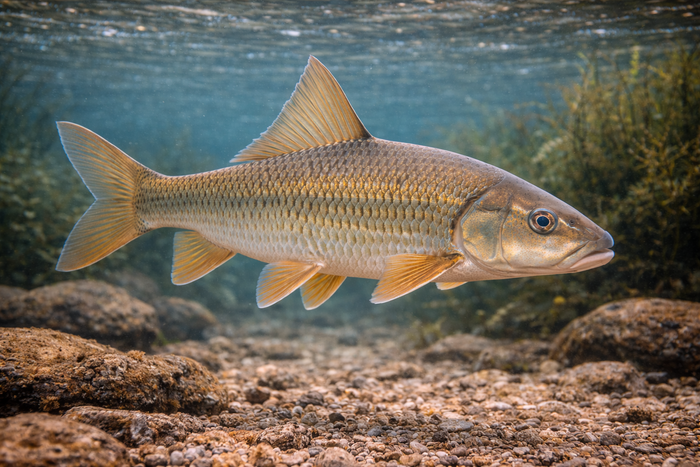
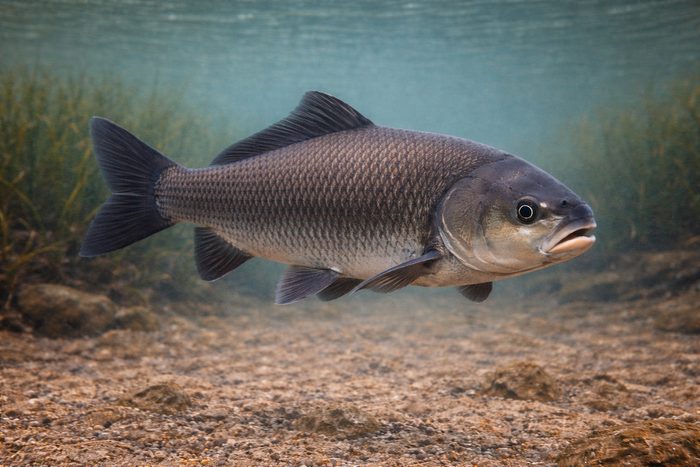
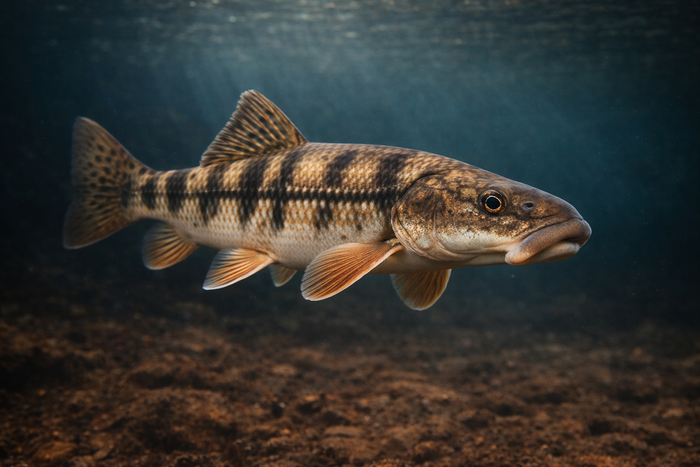
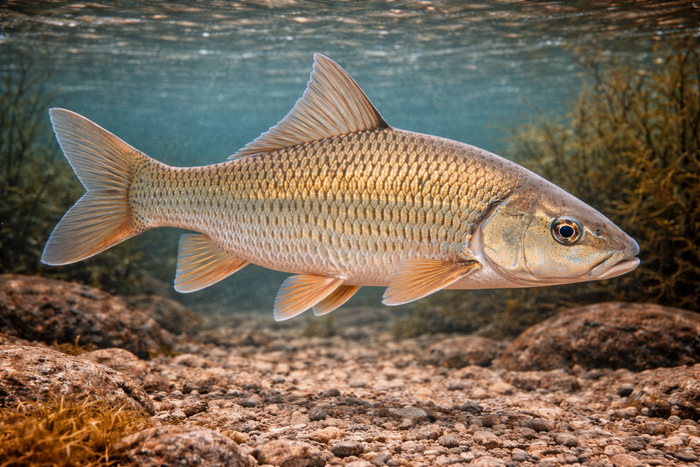
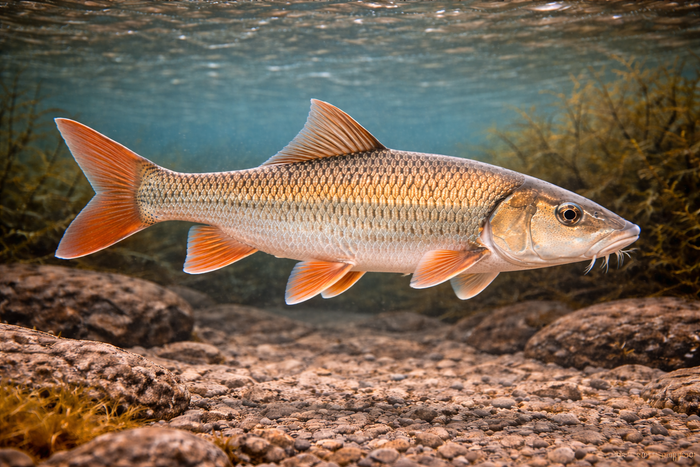
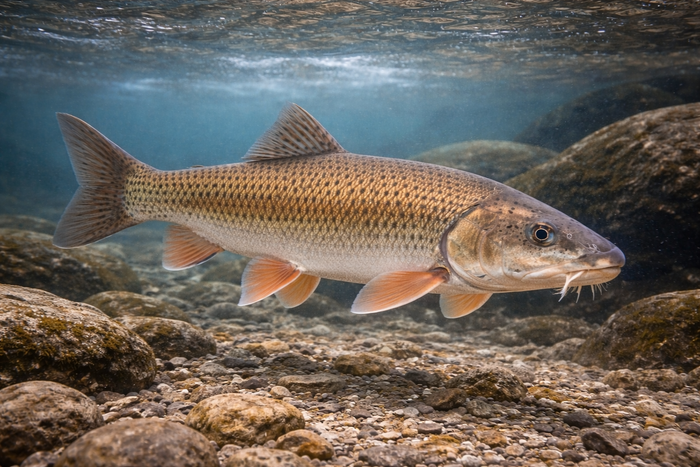
The Spotted Sucker’s claim to fame is its bold, polka-dotted body and a sucker-like mouth perfectly designed for bottom feeding. Unlike your typical predator, this fish is a benthic specialist, scraping algae, detritus, and small invertebrates off rocks and riverbeds. Its mouth isn’t just for show; it’s a highly adapted tool that allows it to thrive where others might starve.
Another standout feature is its coloration. The dark spots on a lighter background give it a dappled appearance that breaks up its outline in the water, a clever camouflage against predators. This pattern also makes it one of the more visually striking suckers in its family.
Spotted Suckers also have a robust, streamlined body built for steady swimming in moderate currents. They’re not flashy jumpers or sprinters but masters of endurance and precision in their preferred habitats.
Habitat & Global Range
The Spotted Sucker calls the freshwater systems of the central and eastern United States home. Its Spotted Sucker habitat includes clear, moderate to fast-flowing rivers and streams with gravel or rocky bottoms. These environments provide the perfect substrate for feeding and spawning.
You won’t find this fish in stagnant ponds or muddy waters. It prefers clean, oxygen-rich water where it can graze on the biofilm and invertebrates clinging to submerged surfaces. Its range extends from the Mississippi River basin eastward, covering parts of the Ohio and Tennessee River systems.
The Spotted Sucker’s presence is a good indicator of water quality. If you spot one, chances are the ecosystem is relatively healthy, supporting a diverse aquatic community.
Behavior & Temperament
Far from aggressive, the Spotted Sucker is a peaceful bottom dweller. It spends most of its time cruising the riverbed, methodically scraping food from rocks and sediment. This fish is a bit of a loner or found in small groups rather than large schools.
During spawning season, males develop tubercles—small, rough bumps—on their heads and bodies, which they use to nudge females and compete for mates. Spawning usually happens in shallow riffles where the current oxygenates the eggs.
The Spotted Sucker is not a flashy jumper or a fast chaser. Its behavior is deliberate and steady, reflecting its role as a bottom feeder rather than a predator. It’s a fish that values efficiency over spectacle.
Ecological Importance
Don’t let its humble feeding habits fool you. The Spotted Sucker plays a vital role in maintaining the health of freshwater ecosystems. By grazing on algae and detritus, it helps control biofilm buildup, preventing excessive algal blooms that can choke waterways.
Its feeding activity also stirs up sediment, which can help oxygenate the riverbed and promote nutrient cycling. This makes the Spotted Sucker a key player in keeping benthic habitats balanced and productive.
Additionally, it serves as prey for larger fish, birds, and other wildlife, linking lower and higher trophic levels. Its presence supports biodiversity and the overall resilience of river ecosystems.
Conservation & Environmental Pressures
While not currently listed as endangered, the Spotted Sucker faces challenges from habitat degradation and water pollution. Sedimentation from agriculture, urban runoff, and dam construction can alter the clean, rocky habitats it depends on.
Pollutants reduce water quality and oxygen levels, directly impacting its survival and reproductive success. Invasive species and overfishing are less of a concern for this species, but habitat fragmentation remains a significant threat.
Conservation efforts focused on protecting river health, reducing pollution, and maintaining natural flow regimes benefit the Spotted Sucker and countless other aquatic organisms. Monitoring Spotted Sucker populations can provide valuable insights into the effectiveness of these environmental protections.
The FishyAF Take
The Spotted Sucker isn’t your flashy aquarium showpiece or a trophy catch, but it’s a powerhouse in freshwater ecosystems. Its unique morphology and feeding strategy make it a specialist that keeps rivers clean and balanced. Understanding Spotted Sucker facts and habitat needs shines a light on the often-overlooked bottom feeders that quietly sustain aquatic life.
If you want to appreciate freshwater biodiversity beyond the usual suspects, the Spotted Sucker demands your attention. It’s a reminder that sometimes the most unassuming fish have the biggest impact. Keep an eye out for those spotted patterns next time you’re near a clear stream—you might just spot nature’s polka-dotted workhorse in action.