Northern Hog Sucker (Hypentelium nigricans): The Stream’s Bottom-Dwelling Dynamo with a Face You Won’t Forget
The Northern Hog Sucker is not your average freshwater fish. With a name that hints at its distinctive snout and a body built for life on the riverbed, this species stands out in North America’s freshwater ecosystems. It’s a fish that commands attention, not because it’s flashy, but because it’s a master of its niche. This guide dives deep into Northern Hog Sucker facts, revealing what makes it a fascinating subject for anglers, biologists, and aquatic enthusiasts alike.
What Makes the Northern Hog Sucker Unique?
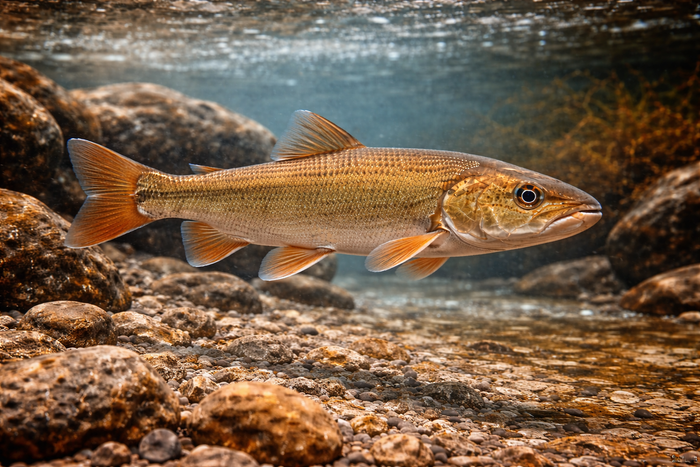
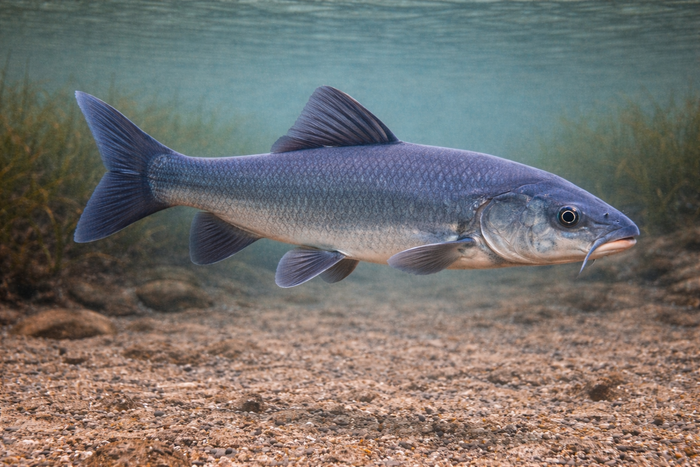
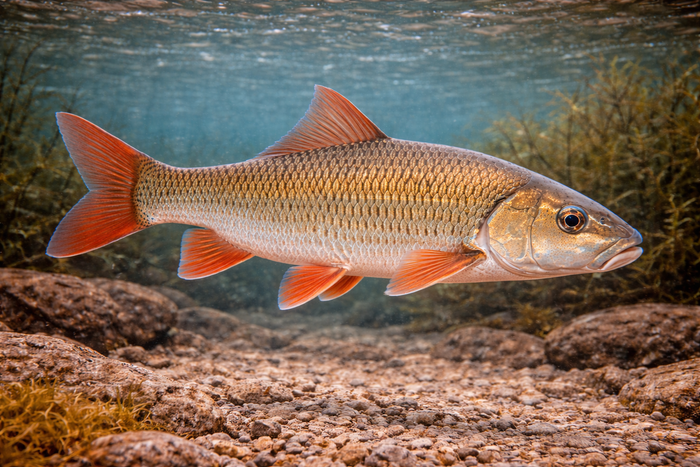
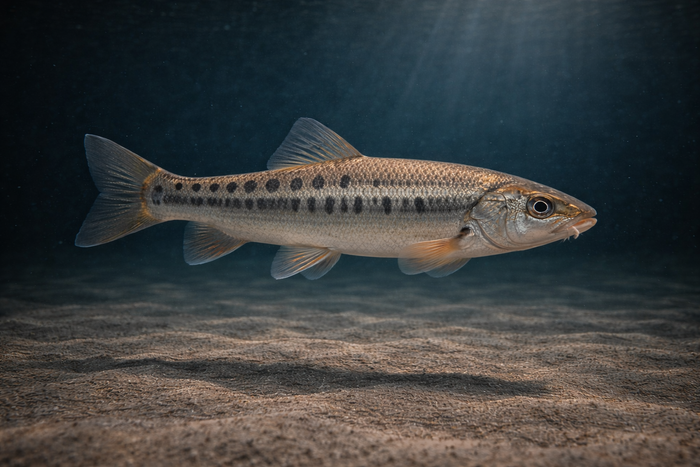
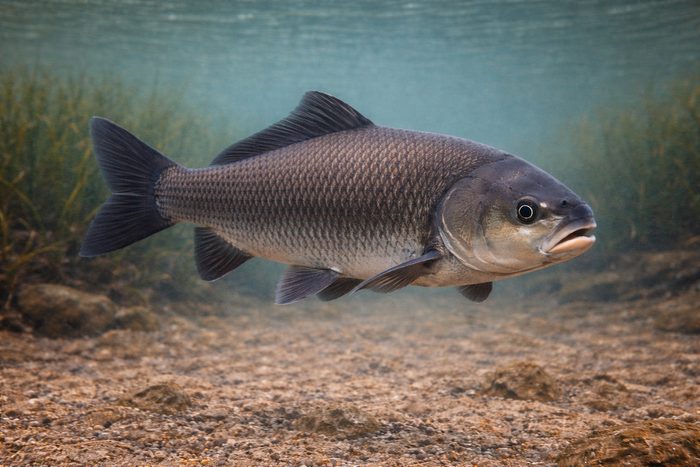
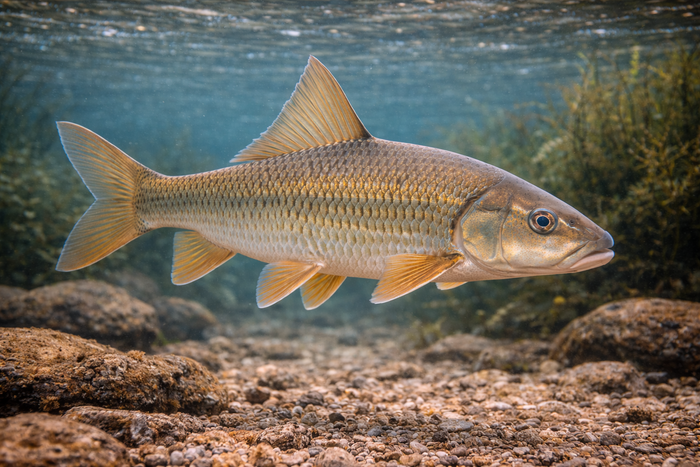
The Northern Hog Sucker’s most striking feature is its broad, flattened head equipped with a fleshy, protruding snout that looks like it’s designed to root around the river bottom. This is no accident. The fish uses this specialized snout to sift through gravel and sand, searching for invertebrates and other small prey. Its mouth is positioned on the underside of its head, perfectly adapted for bottom feeding.
Its body is streamlined and covered in large, rough scales, giving it a rugged appearance. The coloration typically includes a series of dark saddles or bands across a lighter background, providing excellent camouflage against the rocky substrates it inhabits. Unlike many fish that rely on speed or schooling for defense, the Northern Hog Sucker depends on its cryptic coloring and bottom-dwelling habits to avoid predators.
Habitat & Global Range
Northern Hog Sucker habitat is primarily freshwater streams and rivers with clear, fast-flowing water and rocky or gravelly bottoms. It favors riffles and runs where oxygen levels are high and the substrate is stable enough for it to forage effectively. This species is native to the eastern and central United States, ranging from the Great Lakes region down through the Mississippi River basin and into parts of the Ohio and Tennessee River systems.
The fish’s preference for clean, well-oxygenated water makes it a reliable indicator of stream health. It’s rarely found in polluted or heavily silted waters, which means its presence often signals a thriving aquatic environment. Northern Hog Suckers are also known to tolerate a range of temperatures but generally avoid stagnant or warm waters.
Behavior & Temperament
The Northern Hog Sucker is a bottom dweller through and through. It spends most of its time rooting around the substrate, using its snout to dislodge insects, larvae, and other small organisms. This feeding behavior stirs up sediment, which can sometimes make it tricky to spot in the wild.
Despite its somewhat aggressive-sounding name, the Northern Hog Sucker is not a territorial bully. It’s relatively peaceful and tends to keep to itself, although it can be somewhat shy and elusive. When threatened, it relies on quick bursts of speed and its camouflaged body to disappear into the gravel.
Spawning occurs in the spring when water temperatures rise. Males develop tubercles on their heads and bodies, which are used during courtship and spawning rituals. Eggs are deposited in gravel nests, where they develop without much parental care.
Ecological Importance
Northern Hog Suckers play a crucial role in their ecosystems. By feeding on benthic invertebrates and disturbing the substrate, they help maintain the balance of aquatic communities. Their foraging activity aerates the riverbed, which benefits other organisms by increasing oxygen penetration into the sediment.
They also serve as prey for larger fish, birds, and other predators, linking lower and higher trophic levels. Their sensitivity to water quality makes them valuable bioindicators for monitoring stream health and the impacts of environmental changes.
Conservation & Environmental Pressures
While the Northern Hog Sucker is not currently listed as endangered or threatened, it faces several environmental pressures. Habitat degradation due to pollution, sedimentation, dam construction, and water diversion poses significant risks. These factors can alter the flow regimes and substrate composition critical to their survival.
Urbanization and agricultural runoff introduce contaminants and excess nutrients, leading to poorer water quality. Invasive species and competition for food resources also threaten local populations. Conservation efforts focus on protecting stream habitats, maintaining water quality, and restoring natural flow patterns to support healthy Northern Hog Sucker populations.
The FishyAF Take
The Northern Hog Sucker is a prime example of evolutionary specialization meeting ecological necessity. It’s a fish that doesn’t scream for attention but earns respect through its unique adaptations and role in freshwater ecosystems. For anglers and naturalists, spotting one is a reminder of a healthy stream and the intricate web of life beneath the surface.
If you’re looking to understand freshwater biodiversity or assess stream health, the Northern Hog Sucker is a species worth knowing. It’s a gritty, bottom-feeding powerhouse with a face only a biologist could love, but one that deserves a spot in every freshwater enthusiast’s mental Rolodex. Keep an eye out in riffles and runs—you might just catch a glimpse of this unsung hero of the riverbed.