Quillback Sucker (Carpiodes cyprinus): The Armored Bottom-Feeder That Commands Respect
The Quillback Sucker is not your average freshwater fish. With its distinctive quill-like dorsal fin and robust, armored body, this species stands out in North American waters. Often overlooked because it doesn’t flash bright colors or leap spectacularly, the Quillback is a master of subtle dominance in its ecosystem. Understanding this fish means appreciating a creature that’s both ancient in lineage and essential in function.
What Makes the Quillback Sucker Unique?
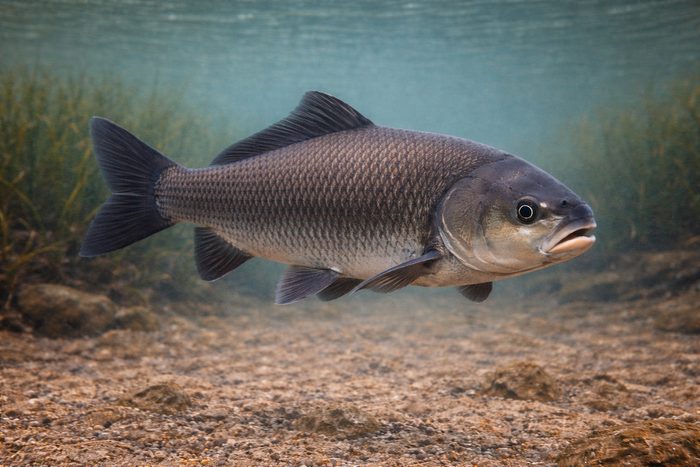
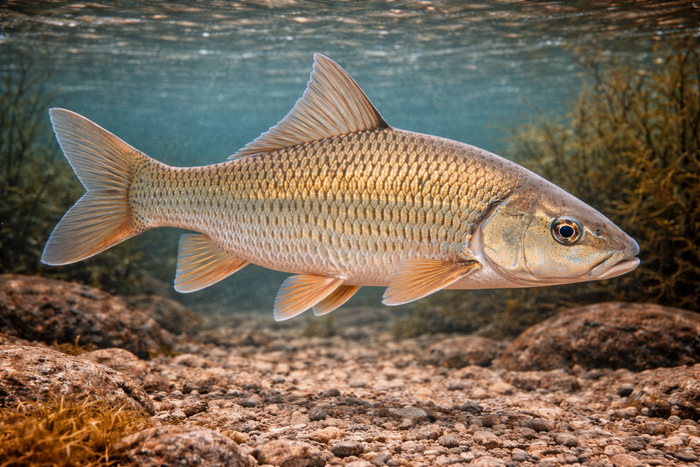
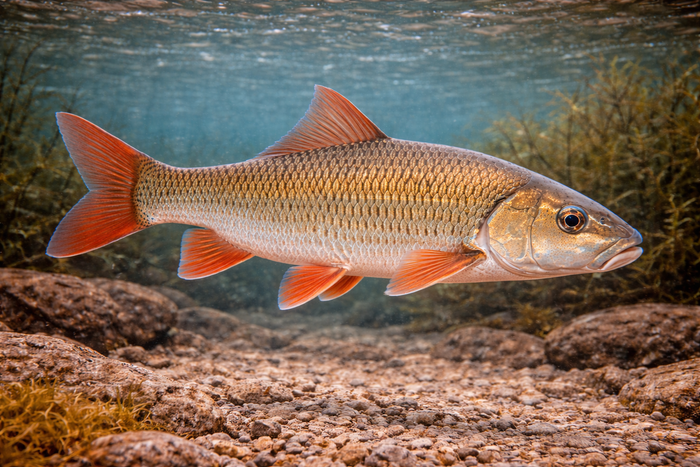
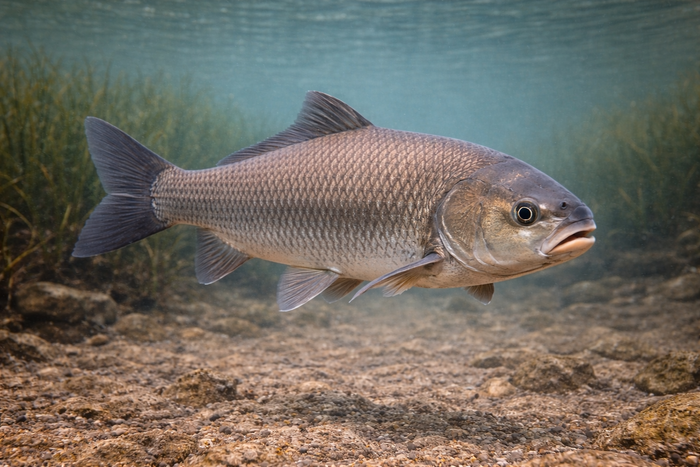
The Quillback Sucker’s most striking feature is its long, rigid first dorsal fin ray, which resembles a quill or spine—hence the name. This fin ray is not just for show; it’s a defensive adaptation that deters predators. Unlike many flashy game fish, the Quillback’s body is covered in thick, tough scales that provide armor-like protection. Its mouth is located on the underside, perfectly designed for bottom feeding, scraping up detritus, algae, and small invertebrates from riverbeds and lake bottoms.
Another unique trait is its longevity and slow growth rate. Quillbacks can live for decades, a testament to their resilience and adaptability. Their body shape is streamlined but robust, built for steady cruising along substrates rather than explosive bursts of speed. This fish is a living relic, representing a lineage that has survived significant environmental shifts.
Habitat & Global Range
Quillback Sucker habitat spans a broad swath of North America, primarily in the central and eastern United States and parts of southern Canada. They thrive in large rivers, reservoirs, and lakes with clear to moderately turbid water. These fish prefer habitats with sandy or gravelly bottoms where they can forage efficiently. They avoid heavily silted or polluted waters, making their presence a decent indicator of water quality.
Their range includes major river systems like the Mississippi, Missouri, and Ohio Rivers, extending into the Great Lakes basin. Quillbacks are versatile but not indiscriminate; they need stable substrates and moderate current flows. This preference ties directly into their feeding habits and reproductive strategies, which rely on clean, well-oxygenated environments.
Behavior & Temperament
Quillback Suckers are bottom dwellers with a calm, unassuming demeanor. They’re not aggressive and tend to keep to themselves, often forming loose groups or small schools. Their feeding behavior is methodical, scraping the riverbed for organic matter and small invertebrates. This makes them important recyclers in their ecosystems.
Despite their armored appearance, they are vulnerable to predation by larger fish and birds, especially during spawning seasons when they move into shallower waters. Quillbacks spawn in spring and early summer, releasing eggs over gravel beds. Their reproductive strategy is straightforward but effective, relying on timing and habitat conditions rather than elaborate courtship.
Ecological Importance
The Quillback Sucker plays a crucial role in freshwater ecosystems. By feeding on detritus and benthic invertebrates, they help recycle nutrients and maintain substrate health. Their bottom-feeding activity aerates sediments, preventing the buildup of organic matter that can lead to oxygen depletion.
They also serve as prey for larger predatory fish and birds, linking lower and higher trophic levels. Their presence signals a balanced ecosystem with good water quality. In many river systems, Quillbacks contribute to the overall biodiversity and stability, acting as a natural filter and recycler.
Conservation & Environmental Pressures
While not currently endangered, Quillback Suckers face challenges from habitat degradation, pollution, and river modifications like damming. Changes in sediment flow and water quality can disrupt their feeding and spawning grounds. Increased turbidity and chemical runoff reduce the availability of clean substrates they need.
Invasive species and overfishing in some areas also pose threats. Because they are not a primary target for anglers, their populations often go unnoticed until significant declines occur. Conservation efforts focused on maintaining river health, controlling pollution, and preserving natural flow regimes are essential to sustaining Quillback populations.
The FishyAF Take
The Quillback Sucker is a fish that demands a second look. It’s not flashy or aggressive, but it’s a powerhouse of ecological function and evolutionary resilience. If you want to understand freshwater ecosystems beyond the usual game fish, the Quillback offers a masterclass in adaptation and survival. Its armored quill, bottom-feeding habits, and role as a nutrient recycler make it a cornerstone species in many North American waters.
Ignoring the Quillback is a mistake. This fish quietly keeps rivers and lakes healthy, proving that sometimes the most unassuming species are the most important. For anglers and conservationists alike, knowing Quillback Sucker facts and appreciating its habitat needs is key to protecting freshwater biodiversity. Next time you’re by a river or lake, look down—you might just spot the quilled sentinel patrolling the bottom, doing its vital work.