River Redhorse (Moxostoma carinatum): The River’s Rugged, Red-Finned Powerhouse
The River Redhorse is not your average freshwater fish. Sporting a striking reddish hue along its fins and a robust, streamlined body, this sucker family member demands attention. It’s a species that thrives in fast-flowing rivers and streams, where it plays a critical role in maintaining aquatic balance. If you’re diving into River Redhorse facts, prepare to meet a fish that’s as tough as it looks and just as important to river ecosystems.
What Makes the River Redhorse Unique?
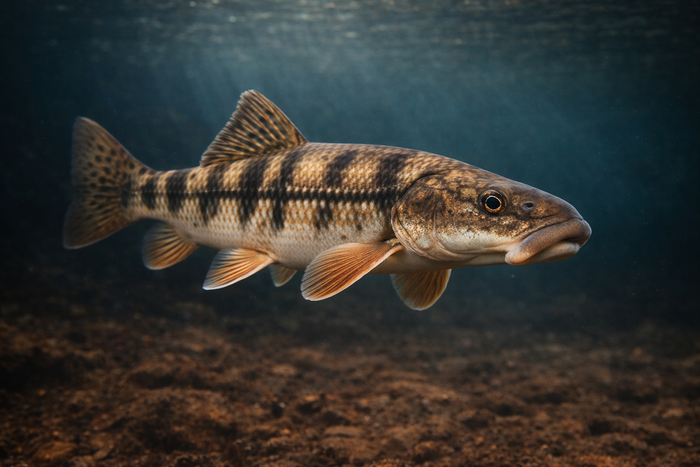
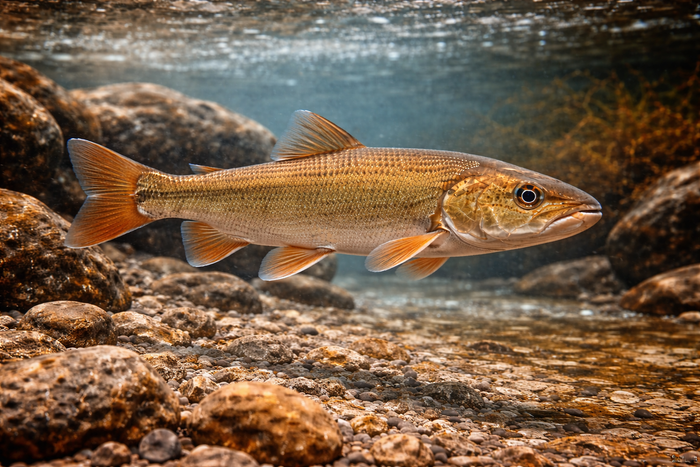
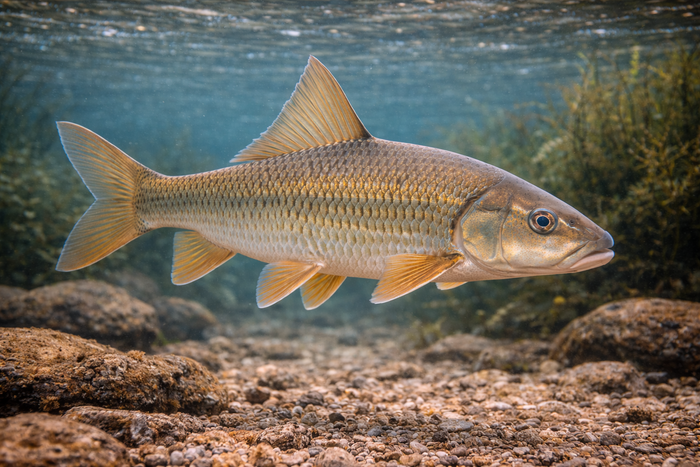
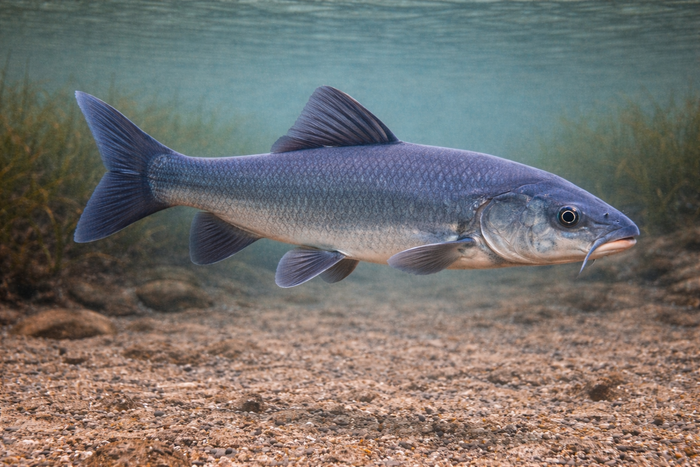
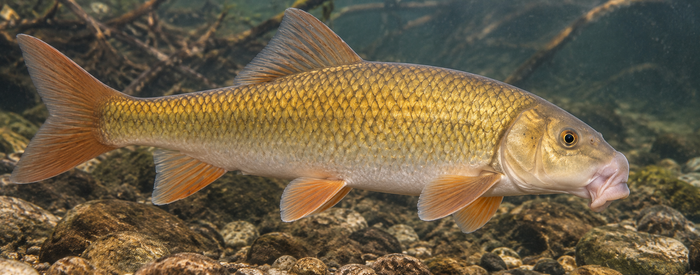
The River Redhorse stands out for several reasons. First, its distinctive coloration: bright red or orange fins that contrast sharply with its silvery to bronze body. This isn’t just for show; the vivid fins signal maturity and health, making it easier to identify among other sucker species.
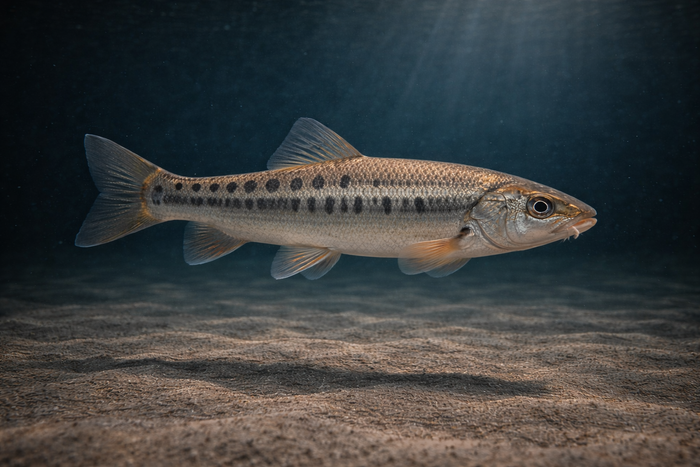
Anatomically, the River Redhorse boasts a sharply keeled belly—hence the species name carinatum, meaning “keeled.” This feature improves hydrodynamics, allowing it to hold position in swift currents without wasting energy. Its mouth is subterminal, adapted for bottom feeding, scraping invertebrates and organic matter off rocks and gravel. Unlike many fish that rely on flashy hunting tactics, the River Redhorse is a benthic forager, quietly cleaning the riverbed as it goes.
Habitat & Global Range
River Redhorse habitat is all about clean, oxygen-rich waters with moderate to strong currents. They prefer medium to large rivers with gravel or rocky substrates, where their feeding style and body shape give them an edge. You won’t find them lounging in muddy backwaters or stagnant ponds.
Geographically, their range covers much of the central and eastern United States and parts of southern Canada. From the Mississippi River basin to the Great Lakes drainage, these fish are a staple of North American river systems. However, their distribution is patchy, closely tied to water quality and habitat integrity.
Behavior & Temperament
Don’t expect the River Redhorse to be a flashy show-off. This species is more about steady persistence than aggressive displays. It’s a bottom dweller, often seen cruising the riverbed in search of food rather than chasing prey or rivals.
River Redhorse are generally non-aggressive toward other fish, but they can be territorial during spawning season. Males stake out gravel beds and perform subtle courtship displays to attract females. Spawning usually happens in late spring to early summer when water temperatures rise.
Their behavior reflects their environment: efficient, low-profile, and adapted to life in strong currents. They’re not the kind of fish to jump out of the water or put on a spectacle, but their presence is a sign of a healthy river system.
Ecological Importance
The River Redhorse is more than just a pretty face with red fins. It plays a vital role in river ecosystems by controlling benthic invertebrate populations and recycling nutrients. By feeding on insects, larvae, and organic detritus, it helps keep the riverbed clean and balanced.
Their foraging activity also aerates the substrate, promoting oxygen exchange and supporting other aquatic life forms. In this way, River Redhorse contribute to the overall health of their habitat, benefiting everything from algae to game fish.
Moreover, they serve as prey for larger predatory fish and birds, integrating themselves into the food web. Their presence indicates good water quality and habitat conditions, making them a valuable bioindicator species.
Conservation & Environmental Pressures
Despite their rugged nature, River Redhorse populations face significant threats. Habitat degradation is the biggest culprit. Dams, channelization, and sedimentation disrupt their preferred fast-flowing, rocky habitats. Pollution from agricultural runoff and urban development further compromises water quality.
Because they rely on clean, oxygen-rich water and stable substrates, even minor changes can have outsized impacts. In some areas, River Redhorse numbers have declined sharply, prompting conservation concerns.
Efforts to protect and restore River Redhorse habitat focus on improving water quality, removing or modifying dams, and preserving natural river flows. Monitoring populations helps track ecosystem health, but these fish don’t get the spotlight like game species, so advocacy and awareness are crucial.
The FishyAF Take
The River Redhorse is a no-nonsense river dweller that deserves more respect. It’s not flashy or aggressive, but it’s a cornerstone species in its ecosystem. Its bold red fins and streamlined body are badges of adaptation to a challenging environment. If you care about river health, you should care about the River Redhorse.
Understanding River Redhorse facts and habitat needs is key to protecting these fish and the rivers they call home. They remind us that sometimes the most important players in an ecosystem are the quiet, steady workers—not the showboats. Next time you’re near a clean, flowing river, think about the River Redhorse patrolling the bottom, keeping the system balanced and thriving. That’s a fish worth knowing.