Desert Sucker (Catostomus clarkii): The Tenacious Bottom Feeder That Owns the Southwest Streams
Meet the Desert Sucker, a fish that thrives where most others would tap out. Catostomus clarkii is no wallflower in the freshwater world. This sucker fish is built for survival in some of the harshest aquatic environments in the American Southwest. If you think fish need lush, oxygen-rich waters to flourish, think again. The Desert Sucker rewrites the playbook on resilience, making it a fascinating subject for anglers, ecologists, and anyone curious about desert aquatic life.
What Makes the Desert Sucker Unique?
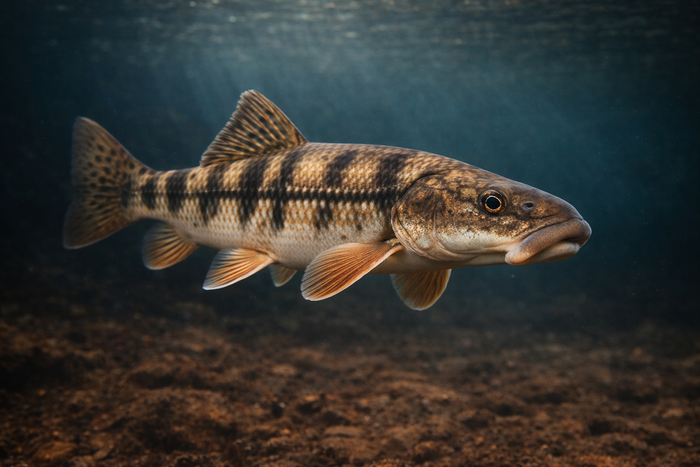
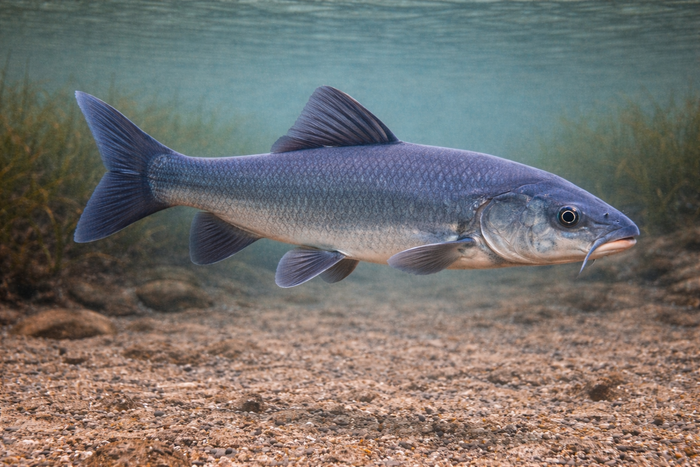
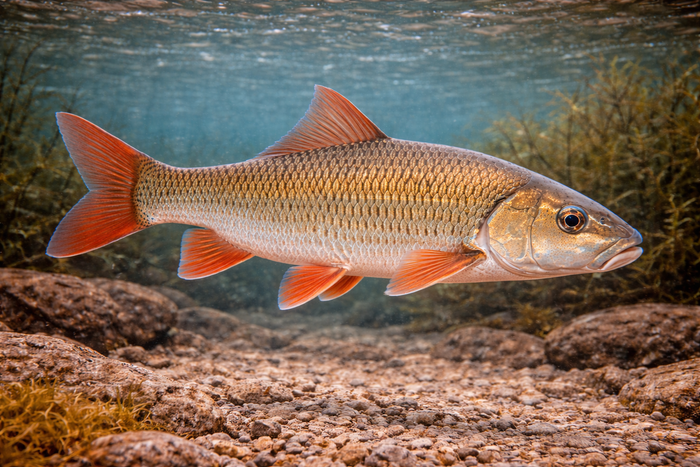
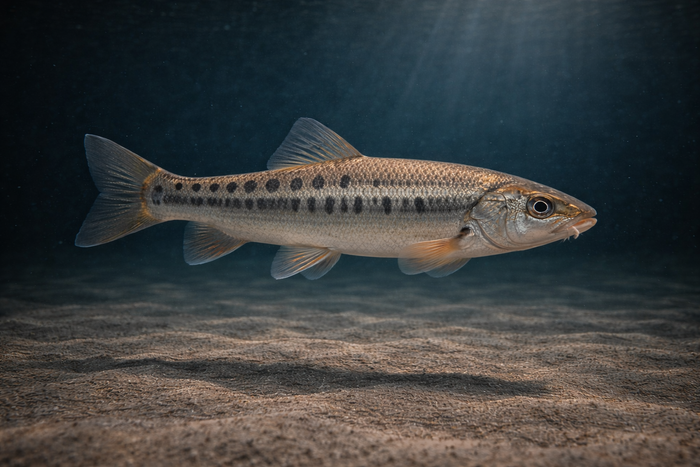
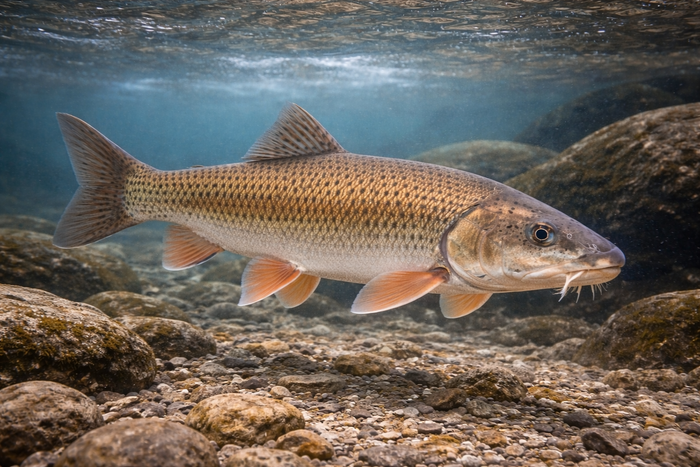
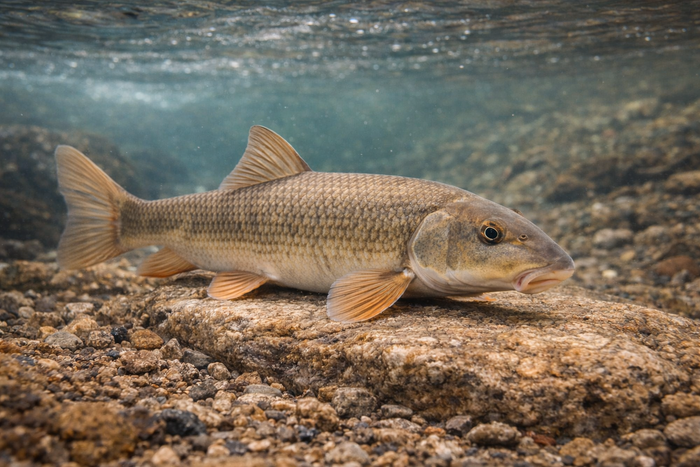
The Desert Sucker stands out for its robust body and specialized mouthparts designed for bottom-feeding. Unlike flashy game fish, this species sports a sucker-shaped mouth that clings to rocks and sifts through sediment for algae, detritus, and small invertebrates. This adaptation is no accident—it’s a survival strategy in fast-flowing, often murky desert streams.
Its coloration is another signature trait. Desert Suckers typically display a mottled pattern of browns and grays, perfectly camouflaged against the rocky stream beds they call home. This cryptic look isn’t just for show; it helps them evade predators and sneak up on food sources.
Habitat & Global Range
Desert Sucker habitat is a study in contrasts. These fish are native to the arid regions of the southwestern United States and northern Mexico, including parts of Arizona, New Mexico, and Sonora. They inhabit clear, cool mountain streams and spring-fed creeks that cut through desert landscapes. These water bodies are often seasonal or subject to extreme temperature fluctuations, yet the Desert Sucker thrives.
Unlike many freshwater species that require stable environments, Desert Suckers tolerate low water levels and higher temperatures better than most. Their ability to cling to rocks in swift currents and survive in isolated pools during dry spells makes them a key player in desert aquatic ecosystems. They are not global wanderers but are highly specialized to their regional niche.
Behavior & Temperament
Desert Suckers are bottom dwellers with a no-nonsense approach to life. They spend most of their time grazing on algae and organic matter scraped from rocks and gravel. This feeding behavior keeps the ecosystem clean and supports nutrient cycling. They are not aggressive but can be territorial, especially during spawning season when males stake out prime real estate on the stream bed.
These fish are generally solitary or found in small groups. They avoid flashy displays or schooling behavior common in other species. Their temperament is calm but purposeful, moving steadily against currents with a sucker mouth firmly attached to surfaces. This tenacity is a hallmark of their survival strategy.
Ecological Importance
Desert Suckers play a crucial role in maintaining the health of desert stream ecosystems. By feeding on algae and detritus, they prevent excessive algal blooms that can suffocate aquatic habitats. Their foraging stirs up sediments, which helps oxygenate the water and supports other aquatic life forms.
They also serve as prey for larger fish, birds, and mammals, linking lower and higher trophic levels. The presence of Desert Suckers is often an indicator of water quality and ecosystem integrity in desert streams. Their survival signals a functioning aquatic environment, making them a valuable species for ecological monitoring.
Conservation & Environmental Pressures
Despite their hardy reputation, Desert Suckers face mounting environmental pressures. Habitat loss from water diversion, groundwater depletion, and stream channelization threatens their survival. Climate change exacerbates these issues by increasing drought frequency and water temperature, pushing these fish to their limits.
Invasive species and pollution add further stress to their populations. Conservation efforts focus on protecting and restoring natural stream flows, preserving riparian vegetation, and monitoring water quality. The Desert Sucker’s specialized habitat requirements make it vulnerable to even subtle environmental changes, highlighting the need for targeted conservation strategies.
The FishyAF Take
The Desert Sucker is a masterclass in adaptation and resilience. It’s not the flashy trophy fish that grabs headlines, but it’s a cornerstone of desert aquatic ecosystems. Understanding Desert Sucker facts and habitat nuances reveals how life can persist against the odds. This fish demands respect for its evolutionary ingenuity and ecological role.
For anglers and conservationists alike, the Desert Sucker is a reminder that survival isn’t always about speed or size—it’s about mastering your environment with precision and grit. If you want to appreciate the wild, rugged beauty of desert streams, start by learning about the Desert Sucker. It’s a fish that doesn’t just survive the desert—it owns it.