White Sucker (Catostomus commersonii): The Bottom-Feeding Dynamo You Didn’t Know You Needed
The White Sucker is one of those fish that quietly dominates freshwater streams and lakes across North America without demanding much spotlight. It’s not flashy like a bass or as revered as a trout, but this species plays a crucial role in aquatic ecosystems. Known scientifically as Catostomus commersonii, the White Sucker is a robust, adaptable fish that thrives where others might struggle. If you’re looking to understand a freshwater staple that’s both resilient and ecologically significant, the White Sucker deserves your attention.
What Makes the White Sucker Unique?
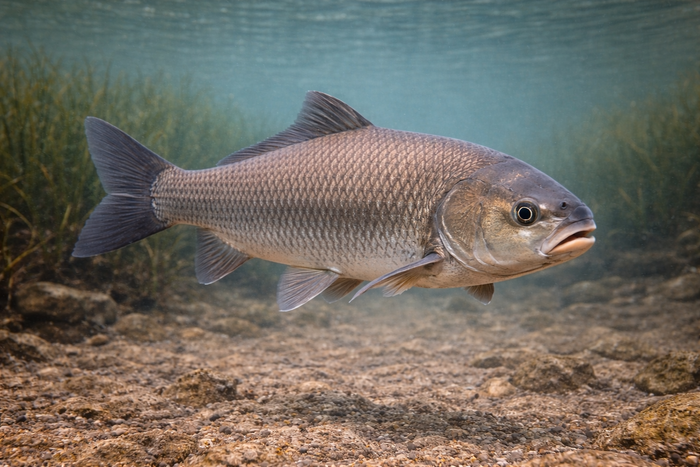
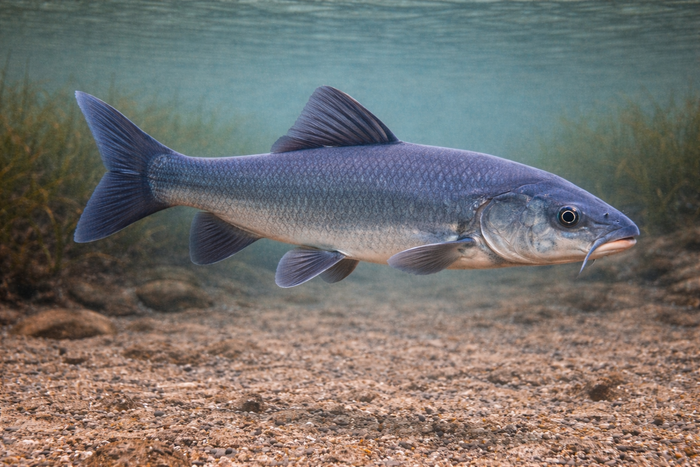
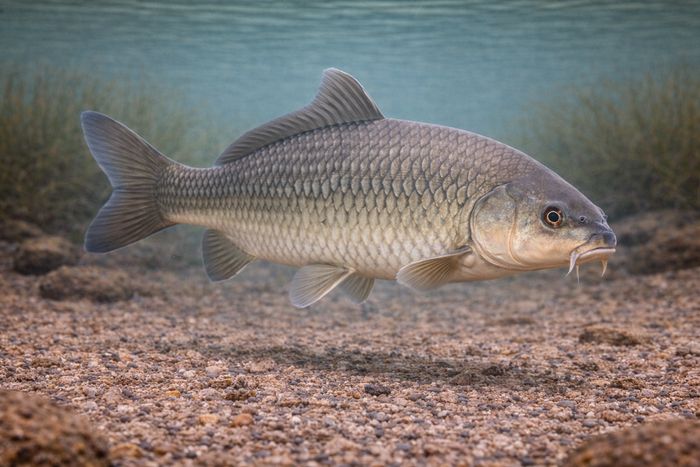
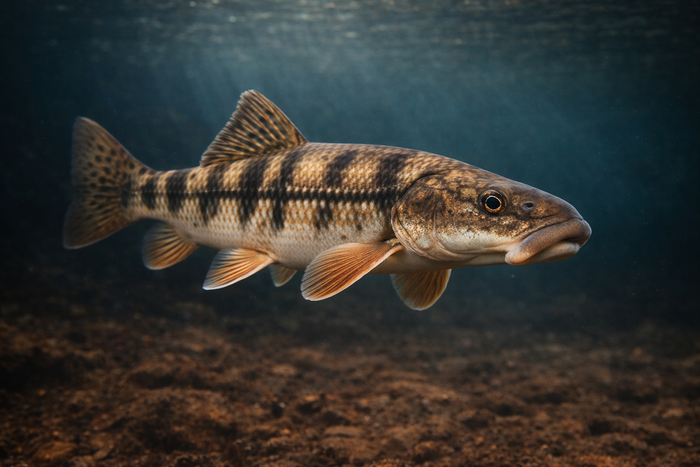
The White Sucker’s claim to fame lies in its specialized mouth and feeding habits. Unlike the predatory fish that chase down prey, the White Sucker sports a sucker-shaped mouth positioned on the underside of its head. This adaptation allows it to graze along the bottom of rivers and lakes, vacuuming up algae, detritus, and small invertebrates. It’s a natural cleaner, efficiently recycling nutrients and keeping substrates healthy.
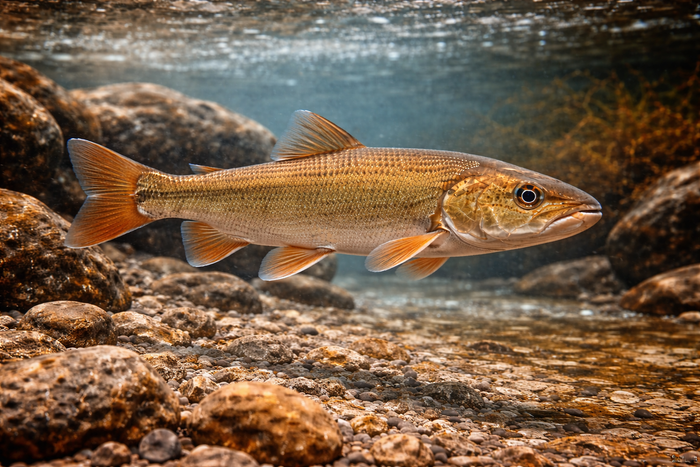
Its body is streamlined but sturdy, covered in large, cycloid scales that shimmer with a silvery-white sheen—hence the name. The White Sucker’s fins are well-developed, aiding in steady movement against currents. Another standout feature is its spawning behavior. During the breeding season, males develop tubercles—small, rough bumps—that help them grip females in fast-flowing waters. This reproductive strategy ensures eggs are laid in gravel beds where oxygen flow is high, boosting survival rates.
Habitat & Global Range
White Sucker habitat spans a wide swath of North America, from the cold streams of Canada down through the United States, reaching as far south as northern Mexico. They are freshwater specialists but not picky about water bodies. You’ll find them in clear, cool rivers, lakes, and even sluggish pools. Their preference leans toward clean, well-oxygenated water with gravel or sandy bottoms, perfect for their bottom-feeding lifestyle.
This fish is a champion of adaptability. It tolerates a range of temperatures and can survive in waters with varying flow rates. While it prefers unpolluted environments, the White Sucker is often one of the first species to bounce back after disturbances like floods or moderate pollution events. Its widespread distribution and habitat flexibility make it a reliable indicator species for freshwater ecosystem health.
Behavior & Temperament
White Suckers are bottom dwellers with a calm, non-aggressive temperament. They tend to travel in schools, especially outside the spawning season, which offers protection from predators. Their feeding behavior is methodical and persistent, scraping and sucking up organic material from the substrate. This constant foraging can sometimes make them seem like the janitors of the freshwater world.
During spawning, their behavior shifts dramatically. Males become territorial and more aggressive, competing for prime nesting sites. Outside of this period, they are relatively peaceful and coexist well with other species. They are not known for flashy displays or rapid bursts of speed but rely on endurance and steady movement to navigate their environment.
Ecological Importance
The White Sucker is an ecological linchpin in freshwater systems. By feeding on detritus and algae, it helps control excessive organic buildup that can lead to oxygen depletion. This cleaning role supports water quality and benefits other aquatic life, including game fish that rely on healthy habitats.
Moreover, White Suckers serve as a vital food source for larger predators such as northern pike, walleye, and various bird species. Their spawning migrations also contribute to nutrient cycling, redistributing energy through different parts of the aquatic ecosystem. In short, the White Sucker is a keystone species that keeps freshwater communities balanced and functioning.
Conservation & Environmental Pressures
Despite being widespread and adaptable, White Suckers face threats from habitat degradation, pollution, and waterway modifications like dams and channelization. Sedimentation from agriculture and urban runoff can smother spawning grounds, reducing reproductive success. Chemical pollutants may accumulate in their tissues, affecting health and longevity.
Climate change adds another layer of pressure, altering water temperatures and flow patterns essential for their life cycle. While not currently endangered, local populations can decline if environmental conditions deteriorate significantly. Conservation efforts focus on maintaining clean waterways, protecting spawning habitats, and monitoring populations as indicators of ecosystem health.
The FishyAF Take
The White Sucker may not be the star of the freshwater fishing scene, but it’s a powerhouse species that deserves respect. Its unique adaptations, ecological role, and resilience make it a cornerstone of North American freshwater habitats. If you want to understand the health of a river or lake, look no further than the White Sucker.
This fish is a reminder that not all heroes wear flashy scales. Sometimes, the real MVPs are the steady, unassuming species that keep ecosystems ticking. For anglers, conservationists, or anyone curious about freshwater life, White Sucker facts and White Sucker habitat insights offer a window into the complex, interconnected world beneath the water’s surface. Keep an eye out for this bottom-feeding dynamo—it’s quietly shaping the waters you love.