Bigmouth Buffalo Carp (Ictiobus cyprinellus): The Giant Bottom-Feeder That Rules North American Waters
The Bigmouth Buffalo Carp is no ordinary freshwater fish. Known for its impressive size and distinctive feeding habits, this species commands attention in rivers and lakes across North America. Despite its name, it’s not a true carp but belongs to the sucker family, making it a fascinating subject for anglers, ecologists, and fish enthusiasts alike. If you’re diving into Bigmouth Buffalo Carp facts, prepare to uncover a creature that’s both a survivor and a vital player in aquatic ecosystems.
What Makes the Bigmouth Buffalo Carp Unique?
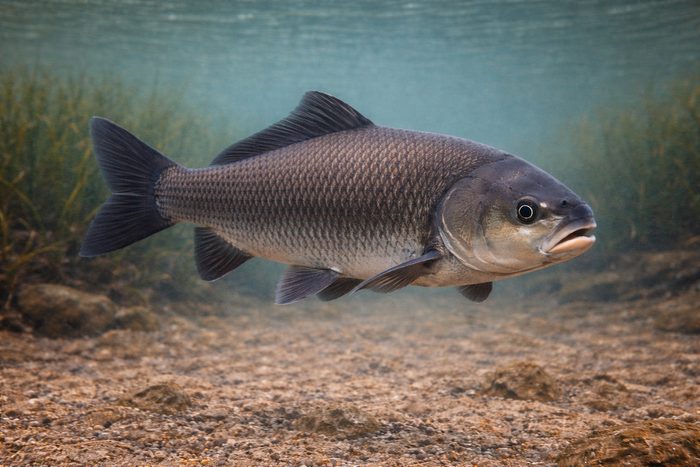
The Bigmouth Buffalo Carp stands out primarily because of its massive mouth, which is perfectly adapted for bottom feeding. Unlike many fish that chase prey, this species sweeps up detritus, algae, and tiny invertebrates from the sediment. Its large, fleshy lips act like a vacuum, allowing it to sift through mud and muck with ease.
Another unique trait is its longevity. Bigmouth Buffalo Carp can live for several decades, with some individuals reaching 20 years or more. This long lifespan is rare among freshwater fish and contributes to their stable populations in suitable habitats.
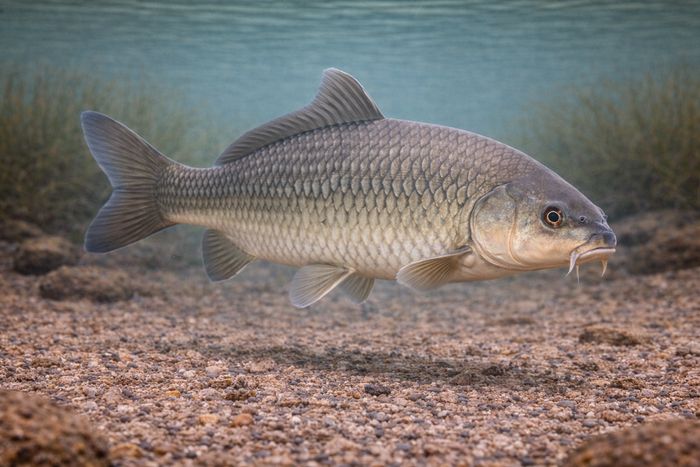
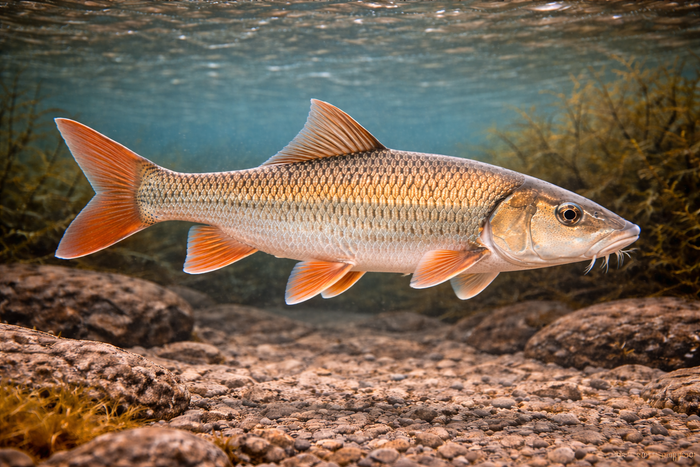
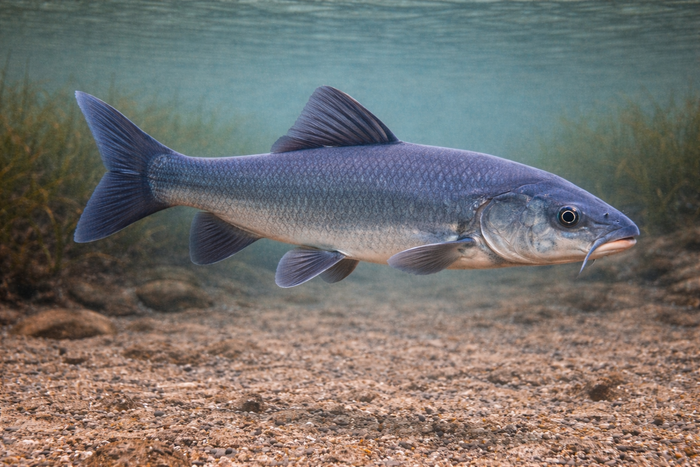
Physically, the Bigmouth Buffalo Carp boasts a deep, robust body covered in large, thick scales. Its coloration ranges from olive to bronze, helping it blend into murky waters. Unlike many carp species, it lacks barbels around the mouth, which is a key identifier.
Habitat & Global Range
Bigmouth Buffalo Carp habitat spans a broad swath of North America, primarily in the central and eastern United States and parts of southern Canada. They thrive in large rivers, reservoirs, and lakes with slow-moving or still waters. These fish prefer environments rich in soft substrates like mud or sand, which facilitate their bottom-feeding lifestyle.
Their range includes major river systems such as the Mississippi, Missouri, and Ohio Rivers, extending into the Great Lakes basin. They are remarkably adaptable, tolerating a wide range of temperatures and water conditions, though they favor warmer waters during the summer months.
Seasonally, Bigmouth Buffalo Carp may move to deeper waters or slower backwaters to avoid strong currents and colder temperatures. Their ability to exploit various freshwater habitats makes them a resilient species in the face of environmental changes.
Behavior & Temperament
Bigmouth Buffalo Carp are generally peaceful and non-aggressive. They tend to form schools, especially during spawning season, which helps protect them from predators. Their feeding behavior is methodical and deliberate, focusing on scraping and vacuuming the river or lake bed for organic material.
During spawning, which typically occurs in late spring to early summer, these fish migrate to shallow, vegetated areas. Females release eggs over submerged plants or gravel, and males fertilize them externally. There is no parental care; the eggs hatch and the fry fend for themselves immediately.
Despite their size and bulk, Bigmouth Buffalo Carp are surprisingly agile swimmers. They can make quick bursts to evade predators but generally rely on their schooling behavior and camouflage for protection.
Ecological Importance
Bigmouth Buffalo Carp play a crucial role in maintaining the health of freshwater ecosystems. By feeding on detritus and algae, they help regulate nutrient cycles and prevent excessive buildup of organic matter that could lead to oxygen depletion.
Their bottom-feeding activity stirs up sediments, which can influence water clarity and the distribution of microorganisms. This bioturbation supports a diverse community of aquatic life, from invertebrates to other fish species.
Additionally, Bigmouth Buffalo Carp serve as a significant food source for larger predators, including birds of prey, larger fish, and mammals. Their presence indicates a balanced ecosystem, where nutrient recycling and food webs function effectively.
Conservation & Environmental Pressures
While Bigmouth Buffalo Carp are not currently listed as endangered, they face several environmental pressures that could impact their populations. Habitat degradation due to dam construction, pollution, and sedimentation alters the slow-moving waters they prefer. Changes in water quality, especially increased turbidity and chemical contaminants, can affect their feeding and reproductive success.
Overfishing in some regions has also raised concerns. Though not typically targeted commercially, they are sometimes caught as bycatch or sought after by sport anglers for their size and fight. Sustainable fishing practices and habitat restoration efforts are essential to ensure their long-term survival.
Climate change poses an emerging threat by shifting water temperatures and flow patterns, potentially disrupting spawning cycles and habitat availability. Monitoring Bigmouth Buffalo Carp populations and protecting critical habitats remain priorities for conservationists.
The FishyAF Take
The Bigmouth Buffalo Carp is a heavyweight contender in freshwater ecosystems, often overlooked because it doesn’t flash bright colors or chase prey aggressively. But its ecological role and sheer presence demand respect. This species embodies resilience, adaptability, and a quiet dominance that keeps rivers and lakes healthy.
If you’re after Bigmouth Buffalo Carp facts, remember this: it’s not just a big fish with a big mouth. It’s a key player in nutrient cycling, a long-lived survivor, and a species that challenges our assumptions about what makes a fish valuable. Whether you’re an angler, biologist, or just a curious observer, the Bigmouth Buffalo Carp deserves a spot on your radar. Keep an eye on its habitat, respect its role, and appreciate the subtle power of this bottom-feeding giant.