Alligator Gar (Atractosteus spatula): The Dinosaur of Freshwater, Built Like a Tank and Armed Like a Croc
The Alligator Gar is the heavyweight champ of North American freshwater fish. With a prehistoric look that could scare off most predators, this species commands attention. It’s not just a relic from the past; it’s a living testament to evolutionary resilience. Known for its elongated snout lined with sharp teeth, the Alligator Gar is a fascinating blend of brute strength and ancient design. This guide dives into the essential Alligator Gar facts, from its unique biology to its role in the ecosystem and the challenges it faces today.
What Makes the Alligator Gar Unique?
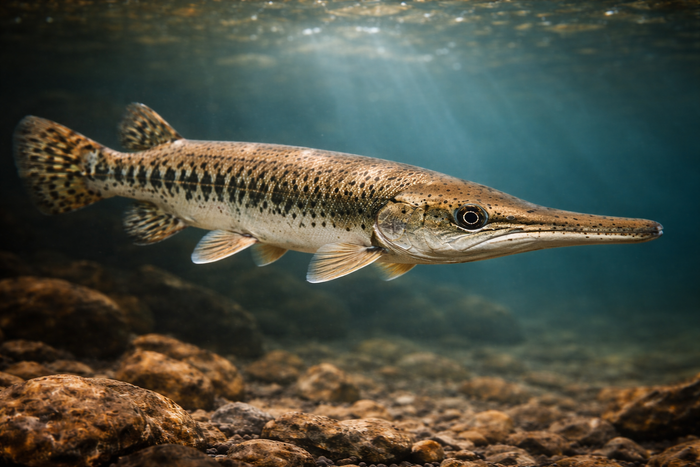
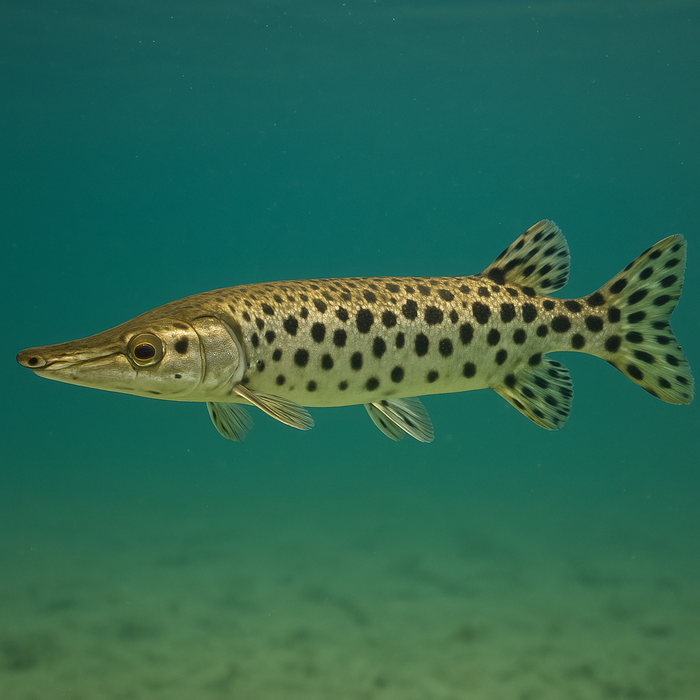
The Alligator Gar isn’t your average fish. It’s a massive predator that looks like it swam straight out of the Mesozoic era. Its body is armored with thick, diamond-shaped ganoid scales that act like natural body armor, making it tough to injure. Unlike most fish, it can breathe both water and air thanks to a vascularized swim bladder, allowing it to survive in low-oxygen environments where others would perish. This dual respiratory system is a survival hack that sets it apart.
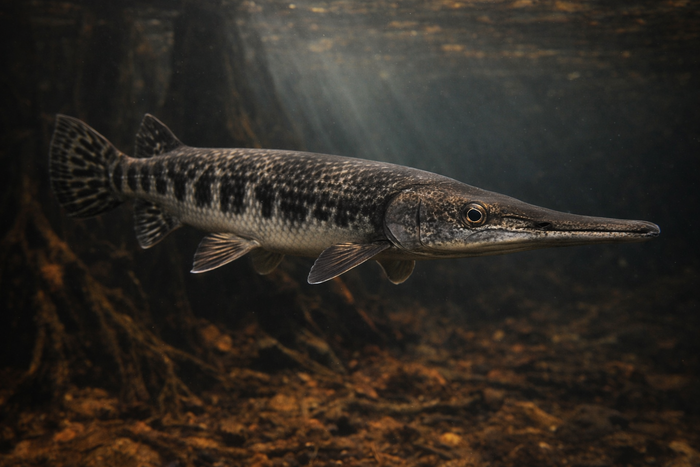
Its snout resembles that of an alligator, packed with two rows of sharp, conical teeth designed for gripping slippery prey. This fish is a top-tier ambush predator, capable of quick bursts of speed despite its bulky frame. The Alligator Gar’s combination of size, armor, and breathing adaptability makes it a unique apex predator in its freshwater domain.
Habitat & Global Range
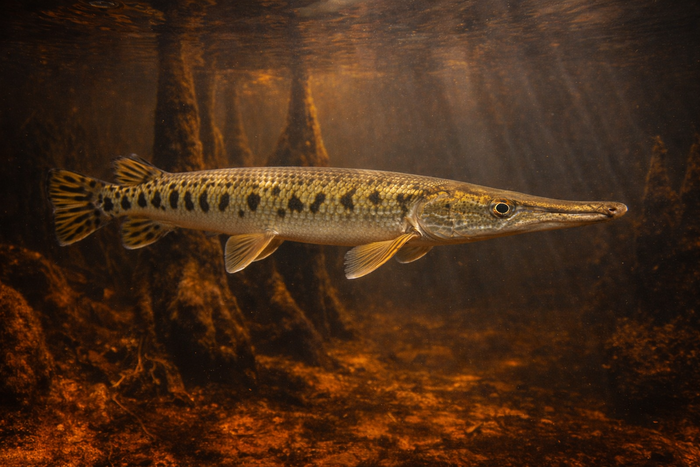
Alligator Gar habitat primarily spans the southeastern United States, with populations concentrated in the Mississippi River basin, Gulf Coast rivers, and parts of Texas and Louisiana. They prefer slow-moving waters such as bayous, swamps, reservoirs, and large rivers. These fish thrive in warm, murky environments rich in vegetation, which provides cover for their ambush hunting style.
Their ability to gulp air means they can survive in waters with low oxygen levels, a common feature of their swampy habitats. This adaptability allows them to inhabit areas that are inhospitable to many other fish species. While their range is mostly limited to North America, their presence in these freshwater systems is a critical component of the local aquatic landscape.
Behavior & Temperament
Alligator Gars are solitary hunters, relying on stealth and patience. They spend much of their time lurking near the bottom or among submerged vegetation, waiting for the right moment to strike. Their diet consists mainly of fish, but they are opportunistic feeders and will take crustaceans and small mammals if available.
Despite their fearsome appearance, Alligator Gars are not aggressive toward humans unless provoked or handled improperly. They are ambush predators rather than active chasers, preferring to conserve energy and strike with precision. Their slow, deliberate movements can be deceptive, masking their explosive speed when attacking prey.
Ecological Importance
The Alligator Gar plays a vital role in maintaining the balance of freshwater ecosystems. As apex predators, they help regulate populations of smaller fish and invasive species, preventing any one group from overwhelming the system. Their presence indicates a healthy, functioning aquatic environment.
Moreover, their scavenging habits contribute to nutrient cycling within their habitats. By consuming dead or dying fish, they help keep waterways clean and reduce the spread of disease. The Alligator Gar’s ecological role is a reminder that even the most intimidating species have a crucial part to play in ecosystem stability.
Conservation & Environmental Pressures
Despite their rugged reputation, Alligator Gars face significant threats. Habitat destruction from urbanization, pollution, and dam construction has fragmented their populations and reduced suitable living spaces. Overfishing, both for sport and commercial purposes, has also impacted numbers in some regions.
Conservation efforts focus on habitat restoration, regulated fishing, and public education to dispel myths about the species. Protecting the Alligator Gar is not just about preserving a fascinating fish; it’s about maintaining the health of entire freshwater ecosystems. Without intervention, these ancient predators could become casualties of modern environmental pressures.
The FishyAF Take
The Alligator Gar is a powerhouse of evolutionary innovation and ecological importance. It’s a fish that demands respect—not just for its size and ferocity but for its role in the natural order. Understanding Alligator Gar facts and habitat is key to appreciating why this species has survived for millions of years and why it deserves protection today.
If you’re serious about freshwater fishing or aquatic conservation, the Alligator Gar is a species you can’t ignore. It’s a living link to the past and a critical player in the future of North American waterways. Keep an eye out for this armored giant next time you’re near a slow-moving river or swamp. It’s a reminder that nature’s most impressive designs often come with a little attitude and a lot of history.