Longnose Gar (Lepisosteus osseus): The Snout That Commands Attention and Respect
The Longnose Gar is a prehistoric-looking fish that refuses to blend into the background. With its elongated snout packed with razor-sharp teeth, this species is a living relic from a time when fish didn’t just swim—they dominated. Known scientifically as Lepisosteus osseus, the Longnose Gar has earned a reputation for being both a fascinating predator and a resilient survivor. This guide dives deep into what sets this fish apart, where it thrives, and why it matters in the aquatic world.
What Makes the Longnose Gar Unique?
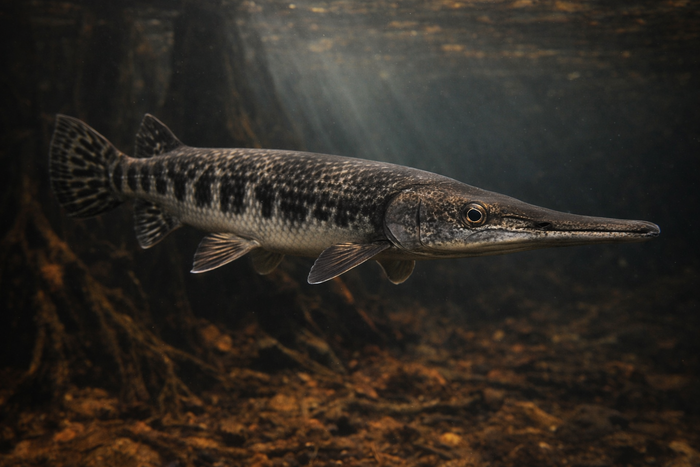
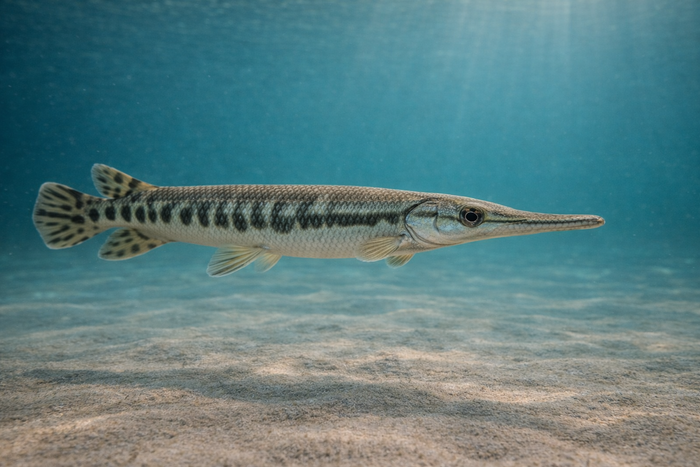
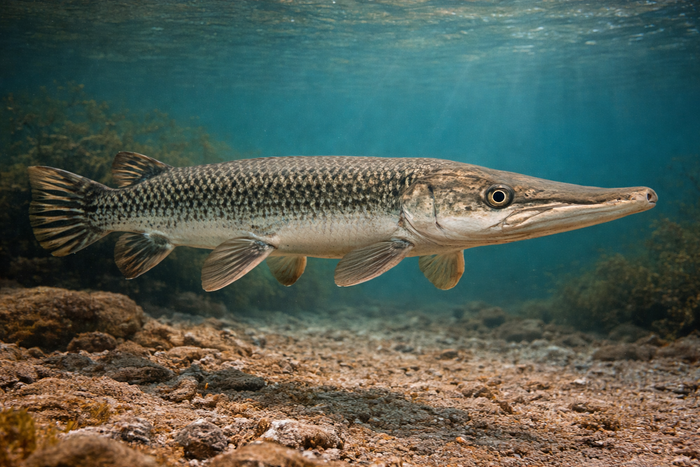
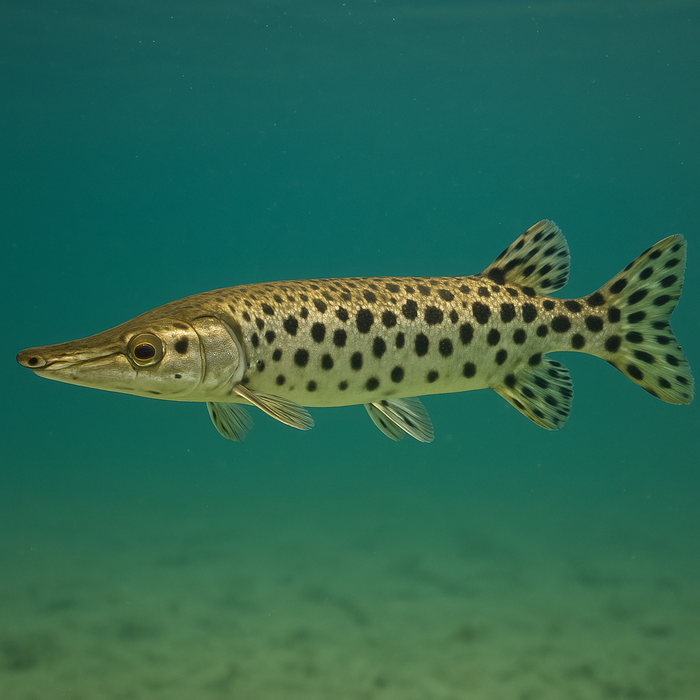
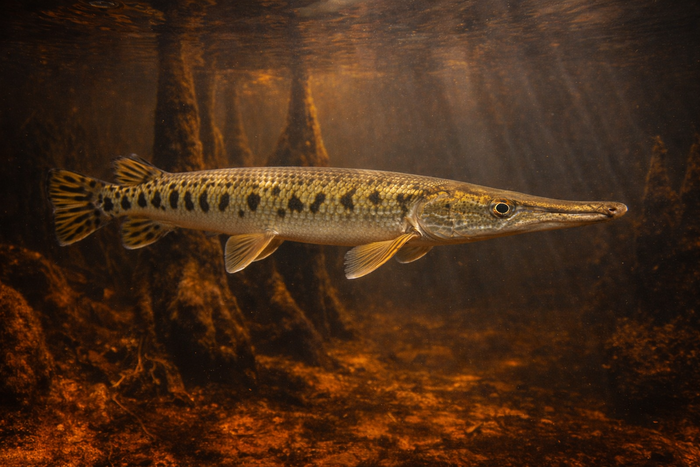
The Longnose Gar is not your average freshwater fish. Its most defining feature is the long, narrow snout lined with needle-like teeth designed for grabbing slippery prey. This snout isn’t just for show—it’s a precision tool that allows the gar to snap up fish with lightning speed. Unlike many other fish, the Longnose Gar has ganoid scales—thick, diamond-shaped armor that offers serious protection against predators and rough environments. These scales are so tough they’ve been compared to natural body armor.
Another standout trait is the gar’s ability to breathe air. Thanks to a specialized swim bladder that functions like a lung, the Longnose Gar can gulp air from the surface. This adaptation lets it survive in oxygen-poor waters where other fish would suffocate. It’s a survival hack that has kept this species around for millions of years.
Habitat & Global Range
Longnose Gar habitat spans a wide swath of North America, from the Mississippi River basin to the Atlantic coastal plains and parts of Canada. They prefer slow-moving or still waters—think rivers, lakes, backwaters, and swamps. These fish are masters of murky, low-oxygen environments where other predators struggle to survive.
Their preference for shallow, vegetated waters with plenty of cover makes them both elusive and effective hunters. Longnose Gars often lurk near submerged logs, aquatic plants, or muddy bottoms, waiting for the perfect moment to strike. This habitat choice also plays a role in their ability to avoid human detection, which has helped maintain stable populations in many regions.
Behavior & Temperament
Longnose Gars are ambush predators with a stealthy approach. They rely on patience and camouflage rather than speed or endurance. When prey swims close enough, the gar unleashes a rapid snap of its jaws, impaling or gripping the target with its sharp teeth. Their diet mainly consists of smaller fish, but they’re opportunistic and will eat crustaceans or amphibians if the chance arises.
Despite their fearsome appearance, Longnose Gars are not aggressive toward humans. They tend to avoid confrontation and will usually swim away if disturbed. However, their tough scales and sharp snouts mean they can defend themselves effectively if cornered.
These gars are also known for their solitary nature. They don’t school like many other fish species, preferring to patrol their territory alone. During spawning season, males become more territorial and may display aggressive behaviors to protect breeding grounds.
Ecological Importance
Longnose Gars play a crucial role in maintaining the balance of freshwater ecosystems. As apex predators in their niche, they help control populations of smaller fish and prevent any single species from dominating the environment. This predation pressure supports biodiversity and healthy aquatic communities.
Their presence also indicates a relatively healthy ecosystem. Because they require specific habitat conditions—like clean water with adequate vegetation—their populations can serve as a natural barometer for environmental quality. In areas where Longnose Gars thrive, you’re likely looking at a well-functioning aquatic system.
Conservation & Environmental Pressures
While Longnose Gars are not currently endangered, they face several environmental pressures that could threaten their populations if left unchecked. Habitat destruction tops the list. Wetland drainage, river channelization, and pollution reduce the slow-moving, vegetated waters these fish depend on.
Overfishing is less of a concern due to their tough scales and low commercial value, but they can become bycatch in some fisheries. Additionally, invasive species and climate change pose indirect threats by altering the ecosystems Longnose Gars call home.
Conservation efforts focus on protecting wetland habitats and maintaining water quality. Restoring natural river flows and preserving aquatic vegetation are key strategies to ensure these ancient predators continue to thrive.
The FishyAF Take
The Longnose Gar is a fish that demands respect. It’s a living link to the past with adaptations that scream evolutionary success. Its armored body, air-breathing ability, and lethal snout make it a standout in any freshwater ecosystem. For anglers and biologists alike, the Longnose Gar offers a glimpse into resilience and specialization that few species can match.
If you’re serious about understanding North American freshwater ecosystems, knowing Longnose Gar facts is essential. They’re not just oddities; they’re vital players in their habitats. Whether you’re casting a line or studying aquatic food webs, the Longnose Gar’s presence is a reminder that sometimes, the most memorable fish aren’t the flashiest—they’re the ones built to last.