Shortnose Gar (Lepisosteus platostomus): The Ancient Predator with a Snub Nose and a Killer Instinct
The Shortnose Gar is not your average freshwater fish. Sporting a stout, blunt snout and armored with ganoid scales, this prehistoric-looking predator is a living relic from a time when fish ruled the waters with teeth and tenacity. Far from a museum specimen, the Shortnose Gar thrives in North American rivers and lakes, embodying resilience and evolutionary success. If you want to know what makes this fish a standout in the gar family, buckle up for some serious Shortnose Gar facts.
What Makes the Shortnose Gar Unique?
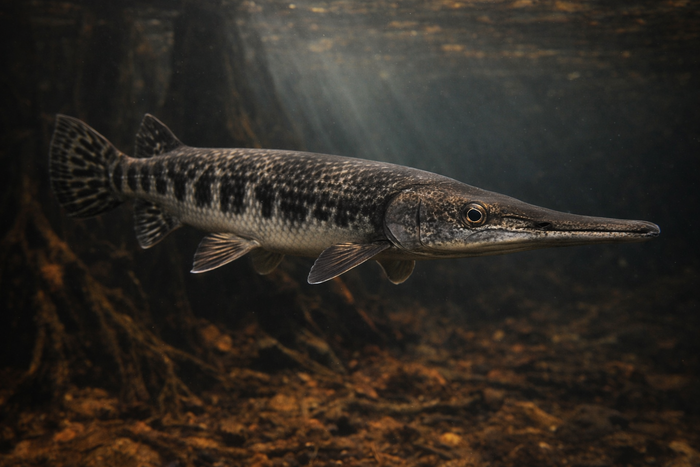
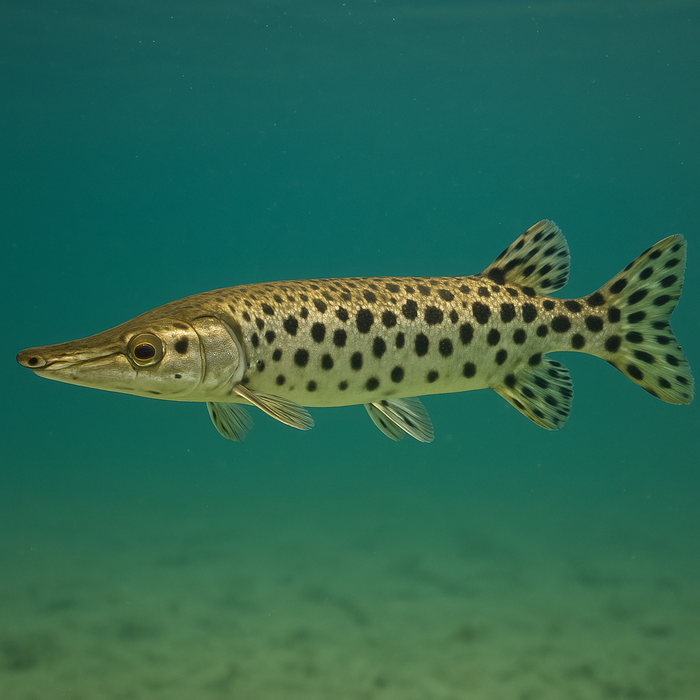
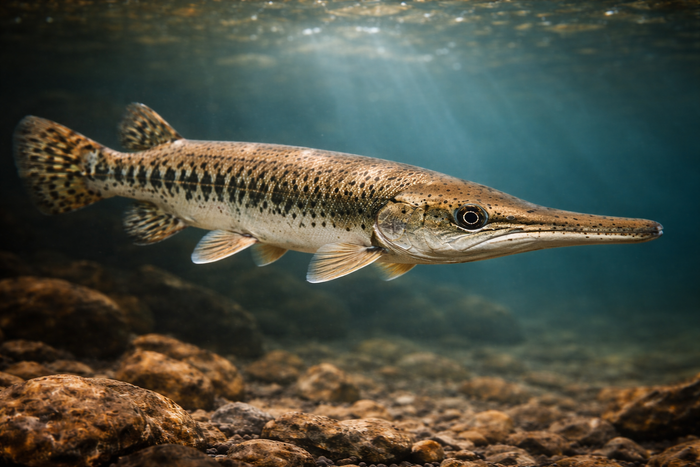
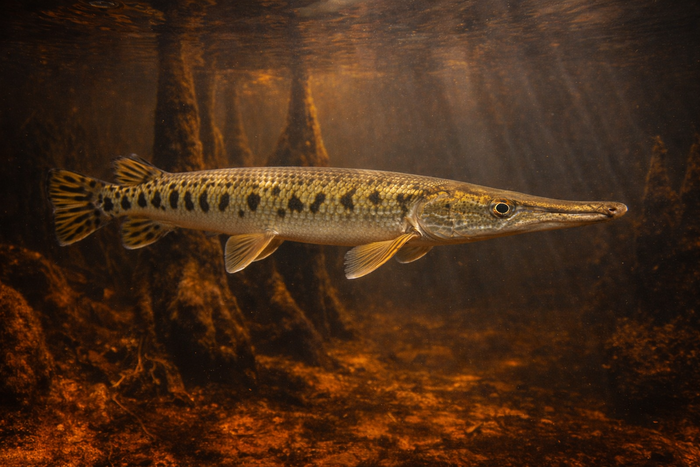
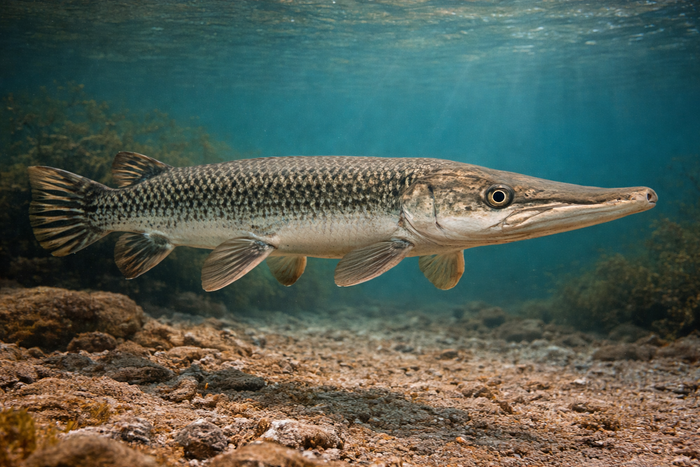
Forget the sleek, torpedo-shaped fish you usually imagine. The Shortnose Gar’s defining feature is its short, broad snout, packed with sharp teeth designed for grabbing prey with precision. Unlike its longnose cousins, this gar’s snub nose gives it a powerful bite and a unique hunting style. Its body is covered in tough, diamond-shaped ganoid scales that act like natural armor, making it nearly impervious to predators and injuries.
Another standout trait is its ability to gulp air. The Shortnose Gar has a vascularized swim bladder that functions like a lung, allowing it to survive in oxygen-poor waters where other fish would suffocate. This adaptation is a game-changer in stagnant or warm environments, giving the Shortnose Gar a survival edge.
Habitat & Global Range
Shortnose Gar habitat centers around slow-moving or still freshwater systems. They are native primarily to the central United States, with populations thriving in the Mississippi River basin, including tributaries and connected lakes. These gars prefer shallow, vegetated waters where they can ambush prey from cover, but they are also found in larger rivers and reservoirs.
Their range extends from the Great Lakes region southward to the Gulf Coast, adapting to a variety of freshwater environments. The key to their habitat is warm, calm waters with plenty of aquatic vegetation. This environment supports their ambush predation tactics and provides shelter from larger predators.
Behavior & Temperament
Shortnose Gars are stealthy, patient hunters. They rely on slow, deliberate movements and sudden bursts of speed to capture fish, crustaceans, and amphibians. Their behavior is more ambush than chase, lying in wait among submerged plants or debris before striking with lightning-fast precision.
Despite their fearsome appearance, Shortnose Gars are not aggressive toward humans and generally avoid contact. They are solitary creatures, except during spawning season when they gather in shallow waters to reproduce. Their temperament is calm but cautious, making them fascinating subjects for anglers and biologists alike.
Ecological Importance
Shortnose Gars play a vital role in freshwater ecosystems. As apex or near-apex predators in their habitat, they help regulate populations of smaller fish and maintain a balanced food web. Their predation controls species that might otherwise dominate and disrupt aquatic plant life or water quality.
Moreover, their presence indicates a healthy aquatic environment. Because they require specific habitat conditions—clean, oxygenated water with ample vegetation—their populations can serve as a biological barometer for ecosystem health. Losing Shortnose Gars could signal deeper environmental issues that might go unnoticed.
Conservation & Environmental Pressures
Despite their hardy nature, Shortnose Gars face threats from habitat destruction, pollution, and waterway modifications like dams and channelization. These changes reduce the availability of suitable spawning and feeding grounds, fragment populations, and degrade water quality.
Overfishing is less of a concern due to their low commercial value, but bycatch and habitat loss remain significant pressures. Conservation efforts focus on protecting wetland habitats, restoring river connectivity, and monitoring populations to ensure this ancient species doesn’t slip quietly into oblivion.
The FishyAF Take
The Shortnose Gar is a masterclass in evolutionary adaptation. It’s a fish that wears its prehistoric heritage with pride, armed with armor, a snub nose built for business, and a lung that laughs at low oxygen. For anglers and aquatic enthusiasts, it’s a reminder that nature’s designs don’t always follow modern aesthetics but rather function and survival.
Understanding Shortnose Gar facts and habitat needs is crucial for preserving these living fossils. They are not just curiosities; they are keystones in their ecosystems. Protecting them means protecting the intricate balance of freshwater environments that many species—including humans—depend on.
If you want a fish that’s equal parts badass and biologically fascinating, the Shortnose Gar deserves a spot on your radar. It’s a bold, memorable species that proves ancient doesn’t mean obsolete.