Suckermouth Armored Catfish (Pterygoplichthys pardalis): The Ultimate Algae-Eating Tank Titan with Armor to Match
The Suckermouth Armored Catfish, scientifically known as Pterygoplichthys pardalis, is a freshwater fish that commands attention with its rugged armor plating and relentless appetite for algae. Popular among aquarists and ecologists alike, this species combines a striking appearance with a set of behaviors that make it both a fascinating subject and a powerful ecosystem player. If you’re diving into Suckermouth Armored Catfish facts, prepare for a creature that’s as tough as it is functional.
What Makes the Suckermouth Armored Catfish Unique?
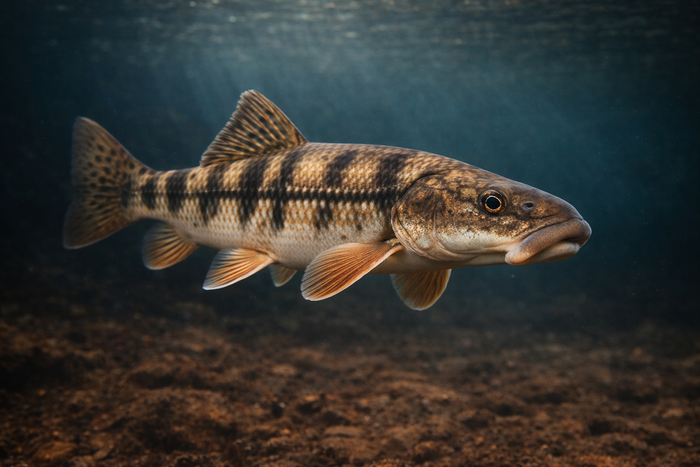
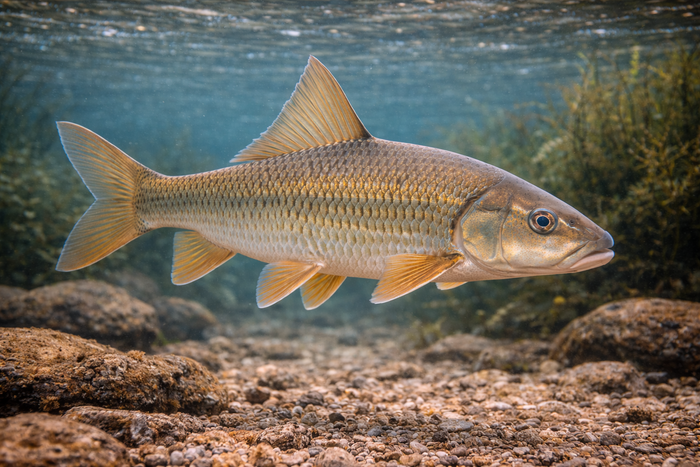
This catfish isn’t your average bottom feeder. Its defining feature is the sucker-shaped mouth, perfectly designed to cling onto surfaces and scrape algae and detritus with surgical precision. The “armored” part of its name comes from rows of bony plates covering its body, offering protection against predators and rough environments. Unlike many catfish, Pterygoplichthys pardalis sports a sail-like dorsal fin that can be raised or lowered, adding to its dramatic silhouette.
Its adaptability is another standout trait. This fish can thrive in a variety of water conditions, from murky rivers to man-made canals, making it a survivor in the truest sense. Its hardy nature and efficient feeding habits have made it a favorite for controlling algae growth in aquariums and ponds, but these same traits have contributed to its invasive status in some parts of the world.
Habitat & Global Range
Native to the freshwater systems of the Amazon Basin, the Suckermouth Armored Catfish originally inhabited slow-moving rivers, floodplains, and swamps rich in submerged wood and vegetation. The Suckermouth Armored Catfish habitat is characterized by warm, oxygen-rich waters with plenty of hiding spots and surfaces to graze on.
However, thanks to the aquarium trade and accidental releases, Pterygoplichthys pardalis has established populations far beyond its native range. It’s now found in parts of North America, Southeast Asia, and even Europe, often in environments that mimic its natural habitat. This global spread has sparked ecological debates due to its impact on local ecosystems.
Behavior & Temperament
The Suckermouth Armored Catfish is primarily nocturnal, spending daylight hours tucked away under rocks, logs, or in burrows it digs along riverbanks. When night falls, it emerges to graze on algae, biofilm, and occasionally small invertebrates. Its sucker mouth isn’t just for feeding; it also helps the fish anchor itself against strong currents.
Socially, this catfish is relatively peaceful but can become territorial when space or food is limited. It’s not aggressive in the traditional sense but will defend its patch of algae or shelter aggressively if challenged. In captivity, it generally coexists well with other bottom dwellers and mid-level swimmers, provided it has enough room and hiding spots.
Ecological Importance
In its native environment, the Suckermouth Armored Catfish plays a crucial role in maintaining water quality and ecosystem balance. By grazing on algae and detritus, it helps prevent algal blooms that can suffocate aquatic life. Its burrowing behavior aerates sediment and influences nutrient cycling, indirectly supporting plant growth and the broader food web.
However, in non-native habitats, these same behaviors can disrupt local ecosystems. Burrowing can cause bank erosion and sediment destabilization, while its voracious appetite for algae can outcompete native species. The Suckermouth Armored Catfish’s ecological importance is a double-edged sword—vital in its home turf but potentially destructive elsewhere.
Conservation & Environmental Pressures
Currently, Pterygoplichthys pardalis is not considered endangered, thanks to its wide distribution and adaptability. However, habitat destruction in the Amazon Basin, pollution, and climate change pose ongoing threats to its native populations. Deforestation and dam construction alter water flow and quality, challenging the species’ survival in some areas.
Conversely, its invasive populations face efforts aimed at control and eradication to protect native biodiversity. This paradox highlights the complex relationship humans have with the Suckermouth Armored Catfish—both a species to conserve and one to manage carefully.
The FishyAF Take
The Suckermouth Armored Catfish is a textbook example of evolutionary design meeting ecological function. Its armored body and sucker mouth are not just cool features; they’re survival tools that have allowed it to carve out a niche in some of the most dynamic freshwater environments on Earth. For aquarists, it’s a reliable algae cleaner with personality and resilience. For ecologists, it’s a species that demands respect and careful management.
If you’re exploring Suckermouth Armored Catfish facts or considering adding one to your tank, remember this fish is more than just a cleanup crew. It’s a living piece of the Amazon’s complex puzzle and a reminder that adaptability can be both a blessing and a curse. Handle with knowledge, and you’ll appreciate the armored catfish’s bold presence in any freshwater setting.