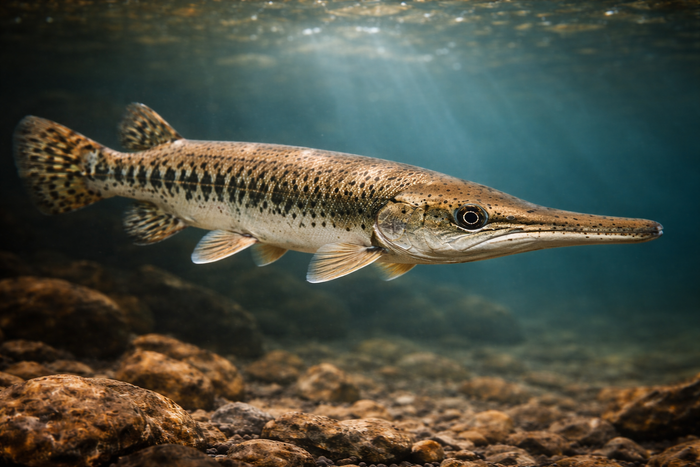
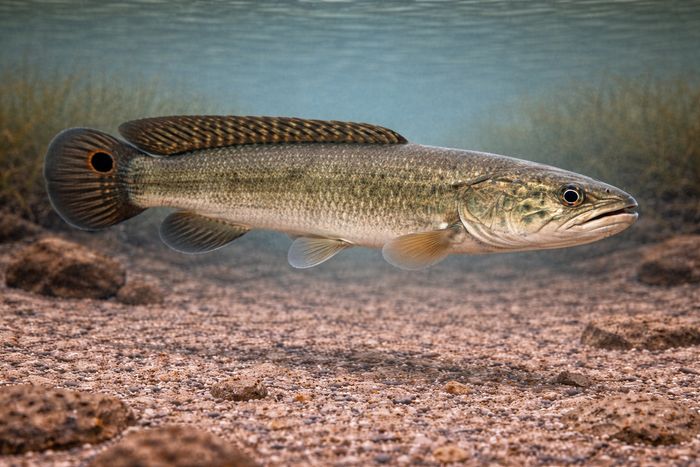
Florida Gar (Lepisosteus platyrhincus): The Snub-Nosed Predator That Owns Florida’s Waters
The Florida Gar is not your average freshwater fish. Sporting a distinctive snub-nosed profile and armored with tough, diamond-shaped scales, this species commands attention in the waterways of Florida. It’s a relic of prehistoric times, a living fossil that has survived millions of years with little change. For anglers, biologists, and casual observers alike, the Florida Gar offers a fascinating glimpse into evolutionary resilience and aquatic adaptation. This guide dives deep into Florida Gar facts, exploring what makes this fish a standout in its ecosystem and why it deserves more respect than the average river dweller.
What Makes the Florida Gar Unique?
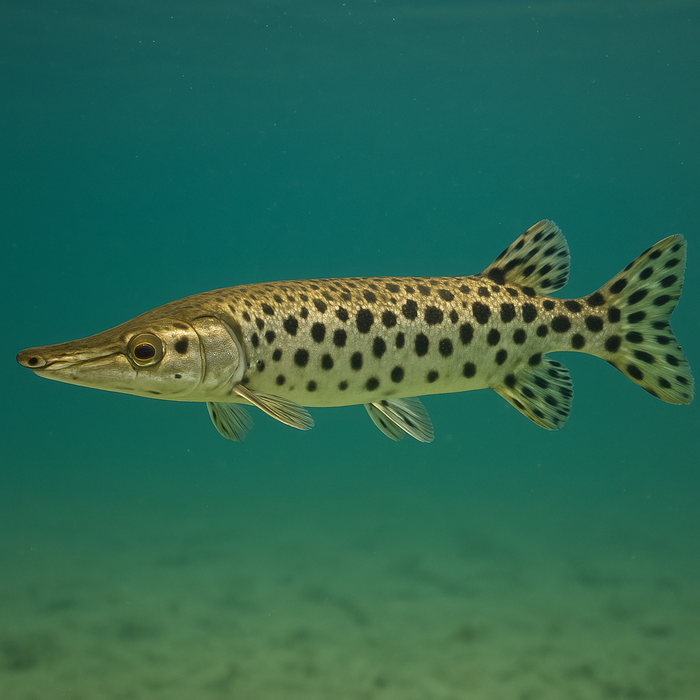
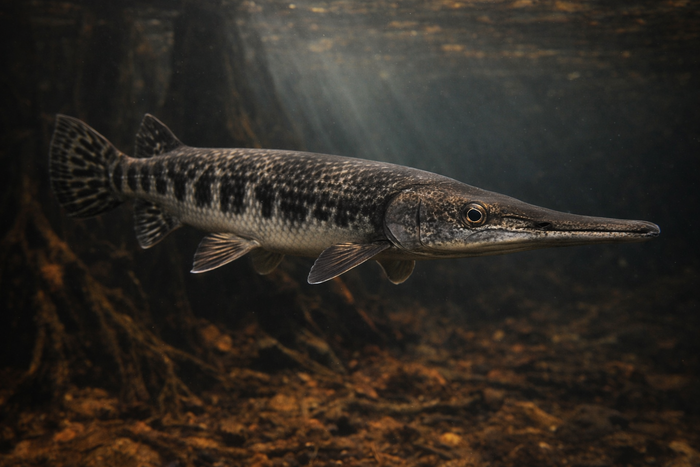
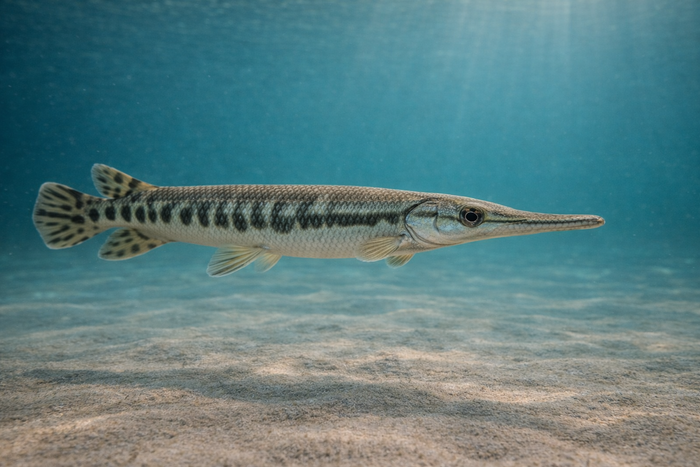
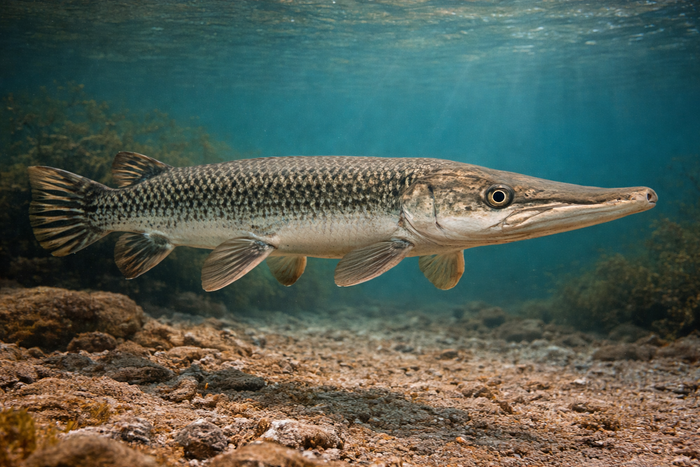
Forget sleek and streamlined. The Florida Gar’s stout, blunt snout sets it apart from its longer-nosed gar cousins. This isn’t just a quirky feature—it’s a specialized adaptation that influences how it hunts and interacts with its environment. Unlike other gars with needle-like jaws, the Florida Gar’s broad snout is packed with sharp teeth designed for snapping up a variety of prey, from small fish to crustaceans.
Its body is covered in ganoid scales, which are thick, diamond-shaped, and almost armor-like. These scales aren’t just for show; they provide serious protection against predators and rough underwater terrain. The Florida Gar also has a unique respiratory system. It can gulp air from the surface, allowing it to survive in oxygen-poor waters where other fish might suffocate. This ability is a game-changer in Florida’s often stagnant or low-oxygen habitats.
Habitat & Global Range
The Florida Gar is a true Floridian native, found almost exclusively in the freshwater systems of the Florida peninsula. Its habitat includes slow-moving rivers, lakes, swamps, and marshes—basically, any calm, warm water body with plenty of cover. Unlike some fish that migrate or spread widely, the Florida Gar sticks close to home, thriving in the Sunshine State’s unique aquatic environments.
Florida Gar habitat is characterized by dense vegetation and muddy bottoms, providing ample hiding spots for this ambush predator. They prefer waters with moderate to low flow, where they can lie in wait for unsuspecting prey. While their range is limited geographically, within Florida they are widespread and can be found from the Everglades up to the central parts of the state.
Behavior & Temperament
The Florida Gar is a patient hunter. It’s an ambush predator that relies on stealth and sudden bursts of speed rather than endurance. You won’t see it chasing prey across open water; instead, it lurks near submerged logs, vegetation, or the water’s edge, waiting for the perfect moment to strike.
Despite its fearsome appearance, the Florida Gar is not aggressive toward humans. It’s more interested in fish and invertebrates than anything else. However, it can be territorial, especially during breeding season. Males will guard nesting sites aggressively to protect their eggs.
This species is primarily solitary, coming together only to spawn. It’s a slow-growing fish with a relatively long lifespan, which means it invests heavily in survival strategies rather than rapid reproduction.
Ecological Importance
The Florida Gar plays a critical role in maintaining the balance of its aquatic ecosystem. As a mid-level predator, it helps control populations of smaller fish and invertebrates, preventing any one species from dominating the habitat. This keeps the food web dynamic and healthy.
Its presence also indicates a relatively stable environment. Because Florida Gars are sensitive to pollution and habitat degradation, their populations can serve as a natural barometer for water quality. Healthy Florida Gar populations often signal well-functioning freshwater systems.
Additionally, the gar’s scavenging habits contribute to nutrient cycling. By consuming dead or dying organisms, they help break down organic matter, supporting the broader ecosystem’s productivity.
Conservation & Environmental Pressures
While the Florida Gar is not currently listed as endangered, it faces several environmental pressures that could impact its future. Habitat loss due to urban development, water pollution, and changes in water flow from damming and drainage projects threaten the slow-moving waters it calls home.
Invasive species also pose a risk by competing for food or introducing diseases. Climate change adds another layer of uncertainty, potentially altering water temperatures and oxygen levels in ways that could stress Florida Gar populations.
Conservation efforts focus on protecting wetland habitats, improving water quality, and monitoring populations to detect early signs of decline. Public awareness is crucial; many people overlook the Florida Gar because it’s not a popular game fish or a flashy species, but its ecological role is indispensable.
The FishyAF Take
The Florida Gar is a masterclass in evolutionary survival and ecological balance. It’s a fish that refuses to be ignored, with its armored body, snub-nosed face, and air-breathing skills making it a true standout in Florida’s freshwater world. If you’re interested in freshwater ecosystems or just want to know more about the unsung heroes of aquatic habitats, the Florida Gar is a perfect subject.
This species reminds us that not all fish need to be flashy or fast to be fascinating. Sometimes, resilience, adaptability, and a bit of prehistoric swagger are enough to carve out a niche that lasts millions of years. Next time you’re exploring Florida Gar habitat, keep an eye out for this bold, memorable predator—it’s a living piece of natural history that deserves your attention.