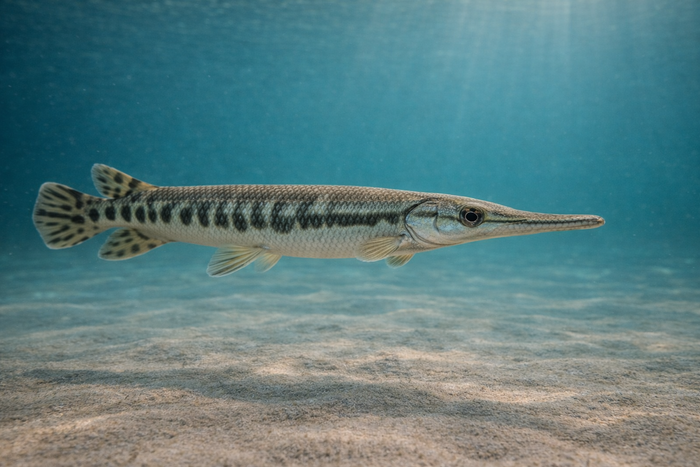
Bowfin (Amia calva): The Dinosaur of Freshwater Fish That Refuses to Go Extinct
Bowfin, scientifically known as Amia calva, are living relics from a time when fish ruled the waters with primitive swagger. This species has survived mass extinctions and evolutionary upheavals, making it one of the most fascinating freshwater fish in North America. If you want Bowfin facts that go beyond the usual, you’re in the right place. These fish aren’t just survivors; they’re a bold statement in evolutionary persistence and ecological importance.
What Makes the Bowfin Unique?
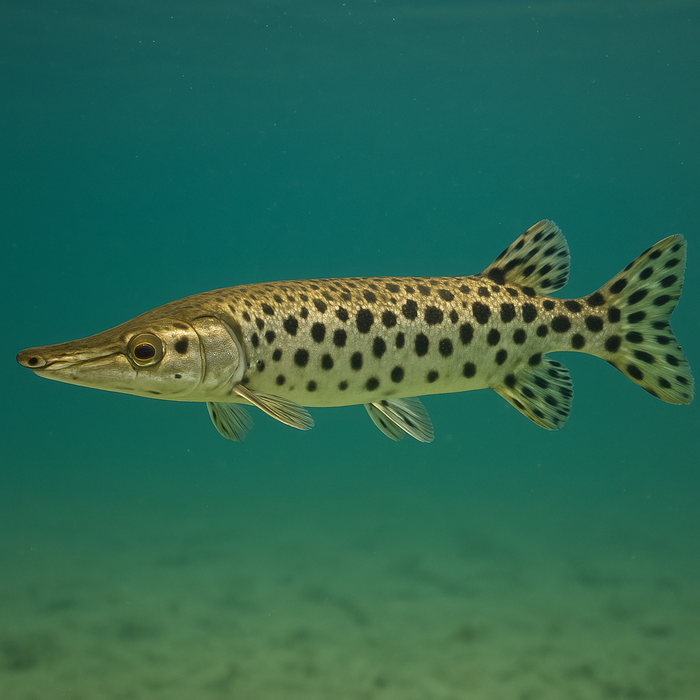
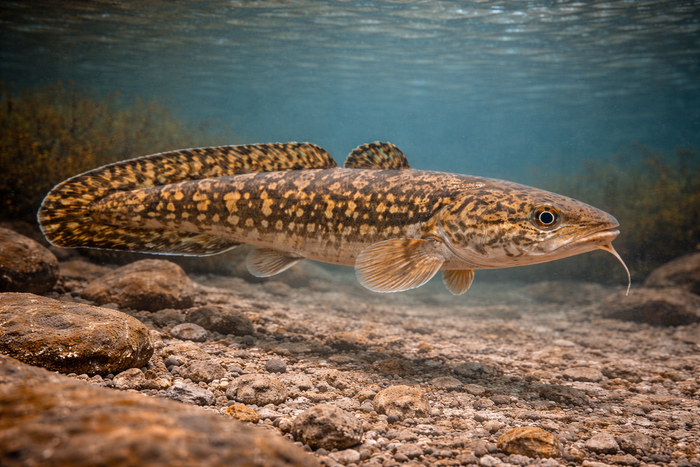
Bowfin are often mistaken for catfish or eels because of their elongated bodies and long dorsal fins, but they’re neither. They belong to a lineage that dates back over 150 million years, making them the sole survivors of the Amiiformes order. Their unique physiology includes a swim bladder that doubles as a lung, allowing them to gulp air when oxygen levels in the water drop. This adaptation means Bowfin can thrive in environments that would suffocate other fish.
Another standout feature is their jaw structure. Bowfin have a powerful bite with sharp teeth designed for gripping and tearing prey. Unlike many fish that rely on speed, Bowfin use ambush tactics, striking with precision and force. Their eyes have a reflective layer called the tapetum lucidum, granting them excellent vision in murky waters and low light—perfect for nocturnal hunting.
Habitat & Global Range
Bowfin habitat is primarily freshwater systems in eastern North America, ranging from southern Canada to the Gulf of Mexico. They prefer slow-moving or stagnant waters such as swamps, backwaters, and heavily vegetated lakes and rivers. These environments provide the cover Bowfin need to ambush prey and avoid predators.
They are remarkably tolerant of poor water quality and low oxygen conditions, thanks to their lung-like swim bladder. This tolerance allows them to inhabit waters that many other fish species avoid, giving them a competitive edge. Bowfin are not found naturally outside North America, making them a distinctly regional species with a stronghold in their native range.
Behavior & Temperament
Bowfin behavior is a mix of stealth and aggression. They are solitary hunters, relying on camouflage and patience to catch prey. Their diet consists mainly of smaller fish, amphibians, and invertebrates. Despite their reputation as aggressive predators, Bowfin are not mindless killers; they play a calculated role in their ecosystem.
During spawning season, Bowfin become territorial and protective. Males build nests in shallow, vegetated areas and guard the eggs fiercely until they hatch. This parental investment is relatively rare among fish and highlights their evolutionary sophistication.
Temperament-wise, Bowfin are known for their tenacity when hooked, making them a favorite among anglers who appreciate a fight. They can be stubborn and tough, often requiring skill and persistence to land.
Ecological Importance
Bowfin are apex predators in many freshwater ecosystems, helping regulate populations of smaller fish and amphibians. Their predation keeps prey species in check, preventing overpopulation and maintaining a balanced food web. This role is crucial in environments where Bowfin habitat overlaps with other sensitive species.
Their ability to survive in low-oxygen waters means they occupy niches that few other predators can, contributing to biodiversity by supporting complex aquatic communities. Bowfin also serve as prey for larger animals like birds and mammals, linking aquatic and terrestrial food chains.
Conservation & Environmental Pressures
Despite their resilience, Bowfin face threats from habitat destruction, pollution, and waterway modifications like damming and channelization. Wetland drainage and urban development reduce the slow-moving, vegetated waters Bowfin depend on. Pollution can degrade water quality beyond their tolerance limits, while invasive species may compete for resources or introduce diseases.
Bowfin are not currently listed as endangered, but local populations can decline sharply if their habitat is compromised. Conservation efforts that protect wetlands, maintain water quality, and preserve natural river flows are essential to sustaining healthy Bowfin populations.
The FishyAF Take
Bowfin are the ultimate freshwater survivors—ancient, adaptable, and unapologetically tough. They don’t get the flashy reputation of bass or trout, but their evolutionary story and ecological role make them a species worth respecting. If you’re after Bowfin facts that impress, remember their lung-like swim bladder, their ambush hunting style, and their fierce parental care.
For anglers, Bowfin offer a gritty, rewarding challenge. For conservationists, they’re a reminder that even the toughest species need healthy habitats to thrive. Bowfin habitat is a barometer for wetland and freshwater ecosystem health. Protecting these environments means protecting the legacy of one of the oldest freshwater fish on the planet.
In short, Bowfin are not just fish; they’re living history with a bite to match.