Lake Sturgeon (Acipenser fulvescens): The Ancient Giant That’s More Dinosaur Than Fish
Meet the Lake Sturgeon, a prehistoric heavyweight that’s been cruising North American waters for over 100 million years. This fish isn’t just big; it’s a living relic, a survivor of mass extinctions and environmental upheavals. If you want a fish that commands respect and tells a story of resilience, the Lake Sturgeon is your go-to. Forget your typical freshwater fish; this one’s a slow-growing, long-living titan with a unique look and lifestyle that sets it apart from the crowd.
What Makes the Lake Sturgeon Unique?
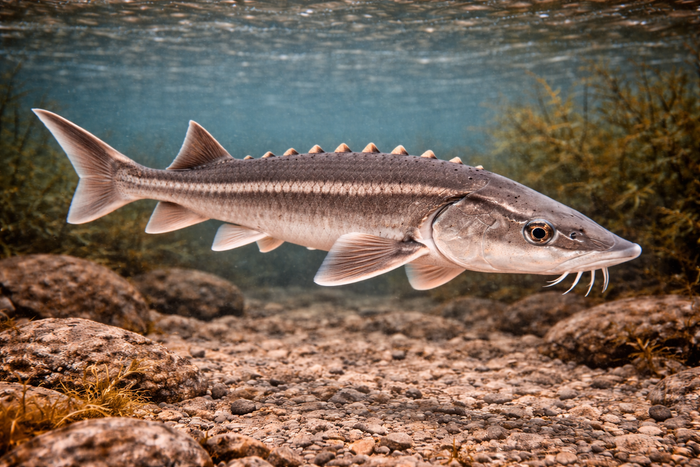
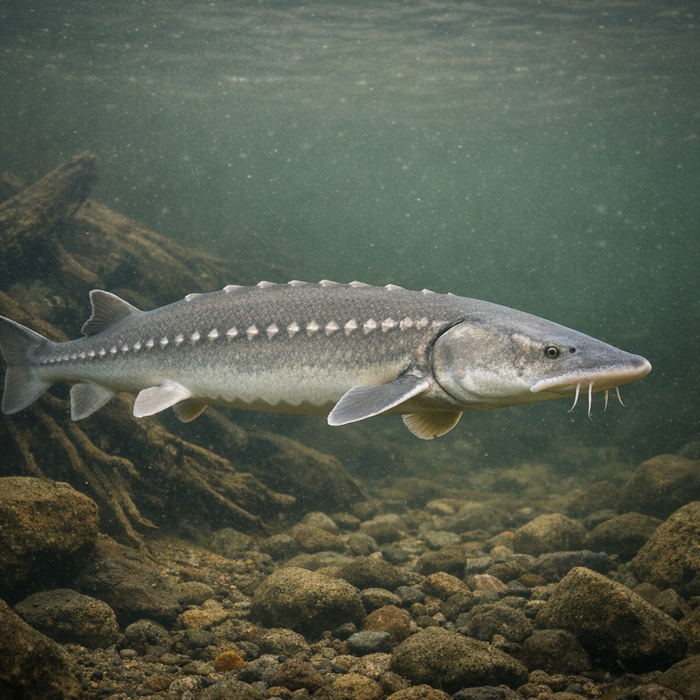
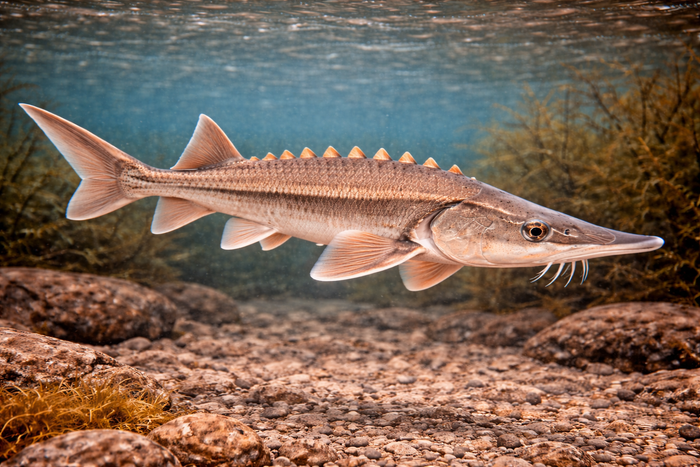
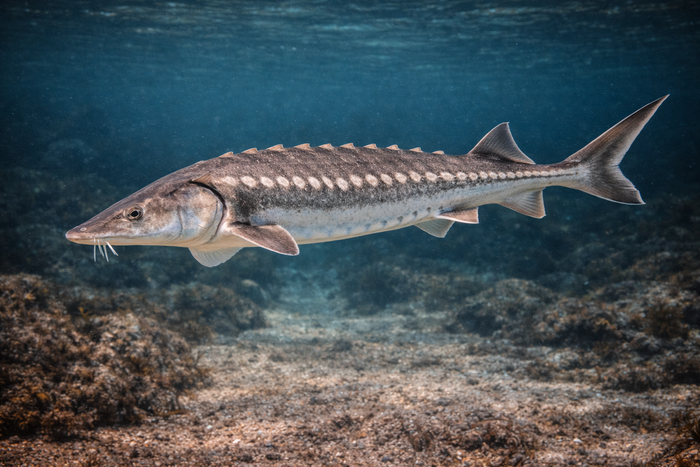
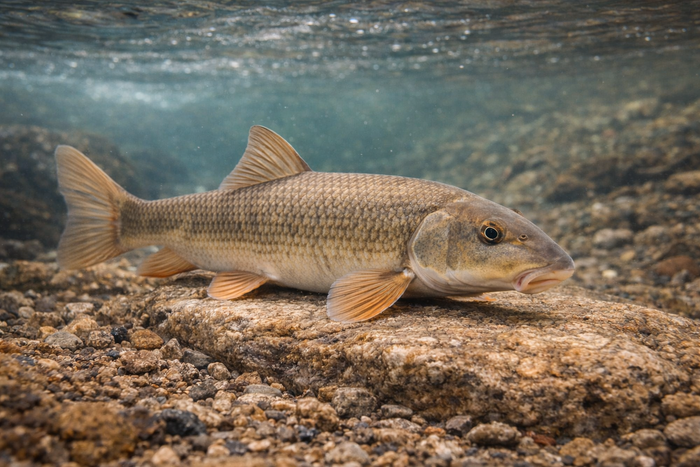
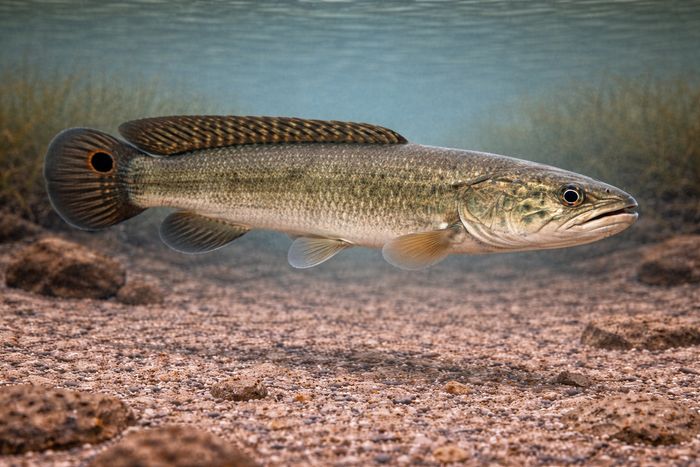
The Lake Sturgeon is a fish that refuses to blend in. Its elongated body is armored with rows of bony scutes instead of typical fish scales, giving it a prehistoric, almost armored vehicle vibe. It has a shovel-shaped snout packed with sensory barbels that help it detect prey buried in the sediment. Unlike most fish, it has a cartilaginous skeleton, a trait it shares with sharks, underscoring its ancient lineage.
Growth is painfully slow but worth the wait. Some individuals can live well over 100 years, reaching lengths of up to 7 feet and tipping the scales at 200 pounds or more. Sexual maturity doesn’t come easy either; females might not spawn until they’re 20 or older. This slow life strategy makes the Lake Sturgeon a vulnerable species but also a fascinating one, embodying patience and longevity in a fast-paced world.
Habitat & Global Range
Lake Sturgeon facts are incomplete without a deep dive into their habitat. These giants are native to the freshwater systems of the Great Lakes, the Mississippi River basin, and various other large river systems and lakes across the northern United States and Canada. Their preferred Lake Sturgeon habitat includes large, deep rivers and lakes with clean, well-oxygenated water and soft bottoms where they can forage.
They are bottom feeders, prowling the muddy or sandy substrates for invertebrates, small fish, and organic debris. Their range isn’t just about geography; it’s about the quality of water and the availability of suitable spawning grounds, which are typically gravelly riverbeds with strong currents. This specificity in habitat requirements has made them sensitive to environmental changes and human interference.
Behavior & Temperament
Lake Sturgeon are the strong, silent types. They spend most of their time near the bottom, cruising slowly and methodically searching for food. They are not aggressive and tend to avoid confrontation, making them a peaceful presence in their aquatic neighborhoods. Their feeding behavior is fascinating—they use their barbels to detect prey and then vacuum it up with their protrusible mouths.
Spawning is a rare but spectacular event. It usually happens in spring or early summer when water temperatures rise. Males arrive first, followed by females who lay eggs on rocky or gravelly substrates. The eggs stick to the bottom, and after hatching, the young sturgeon drift downstream to calmer waters. Despite their size and longevity, Lake Sturgeon are vulnerable during spawning, which is a critical time for population sustainability.
Ecological Importance
Lake Sturgeon play a crucial role in their ecosystems. As benthic feeders, they help control populations of invertebrates and contribute to nutrient cycling by disturbing the sediment. Their foraging behavior aerates the riverbeds and lake bottoms, promoting a healthier aquatic environment.
They are also a key species in food webs, serving as prey for larger predators when young and as top-level consumers in their adult form. Their presence indicates a relatively healthy aquatic system, making them a valuable bioindicator species. Protecting Lake Sturgeon means protecting the broader health of freshwater ecosystems.
Conservation & Environmental Pressures
Despite their resilience over millions of years, Lake Sturgeon populations have plummeted due to overfishing, habitat destruction, pollution, and dam construction. Their slow growth and late maturity make recovery painfully slow. Dams block access to traditional spawning grounds, fragmenting populations and reducing genetic diversity.
Pollution and sedimentation degrade the quality of their habitat, while commercial and recreational fishing have historically wiped out large numbers. Conservation efforts now focus on habitat restoration, dam removal or modification, and strict fishing regulations. Hatchery programs aim to boost numbers, but the key to long-term survival lies in protecting natural habitats and ensuring connectivity between spawning and feeding areas.
The FishyAF Take
The Lake Sturgeon is not your everyday fish. It’s a living time capsule, a testament to endurance and adaptation. Its unique biology and ancient lineage make it a standout species in freshwater ecosystems. But it’s also a cautionary tale about the consequences of human impact on slow-growing, long-lived species.
Understanding Lake Sturgeon facts and habitat needs is essential if we want to keep these giants swimming for centuries to come. They demand respect, patience, and serious conservation muscle. If you’re looking for a fish that embodies history, mystery, and ecological importance, the Lake Sturgeon is the heavyweight champion of freshwater fish. Protect it, study it, and appreciate the ancient marvel that still roams our waters.