Shovel Nose Sturgeon (Scaphirhynchus platorynchus): The River’s Ancient Bottom-Feeding Dynamo
Meet the Shovel Nose Sturgeon, a prehistoric relic cruising the muddy bottoms of North America’s great rivers. This fish isn’t just a survivor from the age of dinosaurs; it’s a master of adaptation, sporting a unique snout that’s as functional as it is distinctive. If you want to understand a species that’s been quietly shaping freshwater ecosystems for millions of years, the Shovel Nose Sturgeon demands your attention.
What Makes the Shovel Nose Sturgeon Unique?
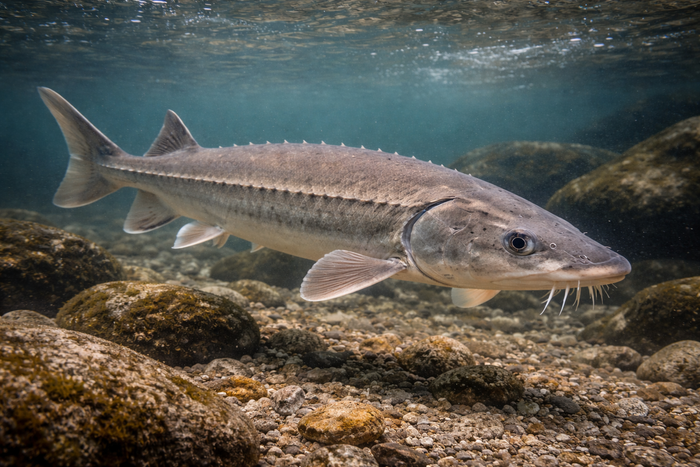
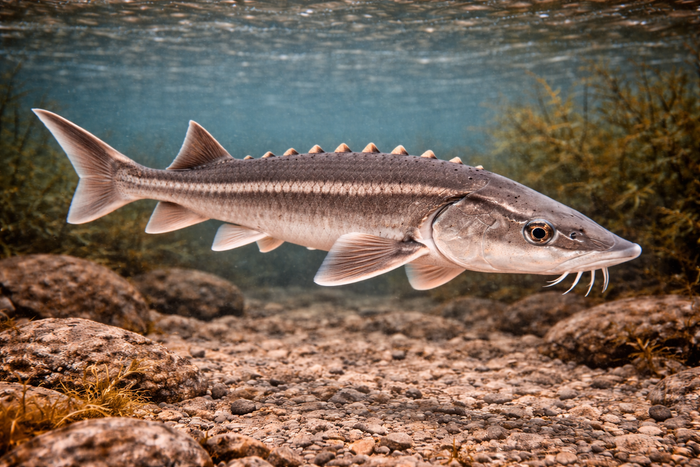
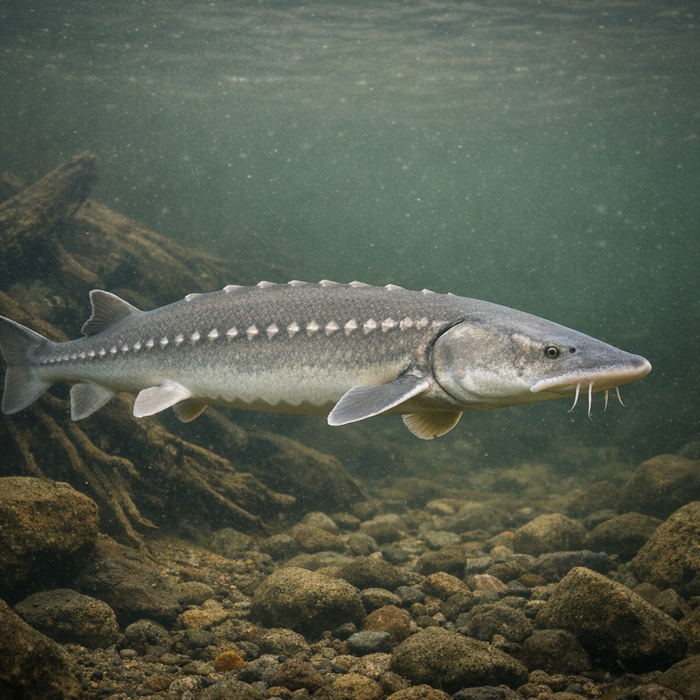
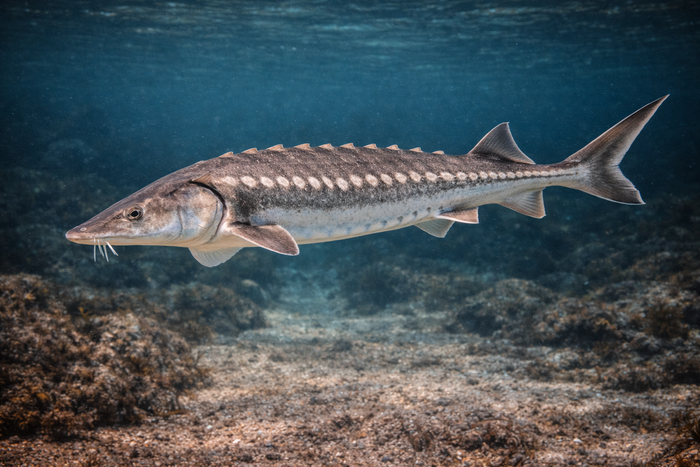
The defining feature of the Shovel Nose Sturgeon is, of course, its broad, flattened snout that looks like it was designed by a river engineer. This shovel-shaped nose isn’t just for show—it’s a highly specialized sensory organ packed with electroreceptors that help the fish detect prey buried in sediment. Unlike your typical streamlined predator, this sturgeon is a bottom feeder, rooting through riverbeds for invertebrates and small fish.
Its body is armored with rows of bony scutes instead of scales, giving it a prehistoric, tank-like appearance. This armor provides protection against predators and rough river conditions. The Shovel Nose Sturgeon also boasts a heterocercal tail—where the upper lobe is longer than the lower—allowing for powerful bursts of speed when needed.
Habitat & Global Range
Shovel Nose Sturgeon facts are incomplete without a nod to their preferred stomping grounds. These fish are native to the Mississippi River basin and its tributaries, including the Missouri and Ohio Rivers. Their habitat spans from the upper Midwest down to the Gulf of Mexico, favoring large, slow-moving rivers with sandy or muddy bottoms.
Shovel Nose Sturgeon habitat is defined by deep pools and runs where sediment accumulates. They avoid fast currents and rocky substrates, preferring environments where their sensory snout can effectively scan for food. Seasonal migrations are common, especially during spawning, when they move upstream to gravel bars and riffles to lay eggs.
Behavior & Temperament
Despite their armored, prehistoric look, Shovel Nose Sturgeons are surprisingly shy and non-aggressive. They spend most of their time near the riverbed, using their snout to sift through sediment in search of worms, insect larvae, and small crustaceans. Their feeding behavior is methodical and slow, relying on sensory input rather than sight.
These fish are mostly solitary but can be found in small groups during migration or spawning seasons. They are nocturnal feeders, avoiding daylight activity to reduce predation risk. Shovel Nose Sturgeon are not territorial, and their temperament is best described as cautious and deliberate.
Ecological Importance
The Shovel Nose Sturgeon plays a crucial role in maintaining the health of river ecosystems. By disturbing the sediment while feeding, they help aerate the riverbed, promoting nutrient cycling and supporting benthic invertebrate populations. This bioturbation influences the entire food web, benefiting fish, amphibians, and aquatic plants.
As a mid-level benthic predator, they help control populations of insect larvae and other invertebrates, keeping the ecosystem balanced. Their presence is also an indicator of water quality; healthy populations suggest a well-functioning river system with minimal pollution.
Conservation & Environmental Pressures
Despite their resilience, Shovel Nose Sturgeons face growing threats from habitat degradation, pollution, and river modifications like dams and channelization. These changes disrupt their spawning migrations and reduce suitable habitat. Overfishing, both commercial and recreational, has also impacted some populations.
Pollutants such as heavy metals and agricultural runoff accumulate in river sediments, directly affecting the sturgeon’s food sources and health. Conservation efforts focus on habitat restoration, dam removal or modification, and stricter fishing regulations. Monitoring Shovel Nose Sturgeon populations provides valuable insight into the overall health of river ecosystems.
The FishyAF Take
The Shovel Nose Sturgeon is a living testament to evolutionary ingenuity and ecological balance. Its specialized snout and armored body make it a standout species in North America’s freshwater rivers. Far from being just a curiosity, this fish is a vital player in maintaining river health and biodiversity.
If you care about the future of our waterways, understanding and protecting the Shovel Nose Sturgeon is non-negotiable. It’s a species that demands respect—not just for its ancient lineage but for its ongoing role in shaping the aquatic world beneath the surface. Keep an eye out for this bottom-feeding dynamo next time you’re near a big river; it’s a reminder that some of the most fascinating fish don’t flash bright colors or leap from the water—they quietly get the job done.