Banded Sculpin (Cottus carolinae): The Bottom-Dwelling Master of Camouflage and Ambush
The Banded Sculpin is a small but striking freshwater fish that commands attention with its bold patterns and bottom-dwelling lifestyle. Native to the eastern United States, this species is a prime example of evolutionary finesse in freshwater ecosystems. Its distinctive banded markings and unique behavior make it a fascinating subject for anglers, biologists, and anyone interested in the hidden dynamics of stream life. If you’re diving into Banded Sculpin facts, prepare to meet a fish that’s as tough as it is intriguing.
What Makes the Banded Sculpin Unique?
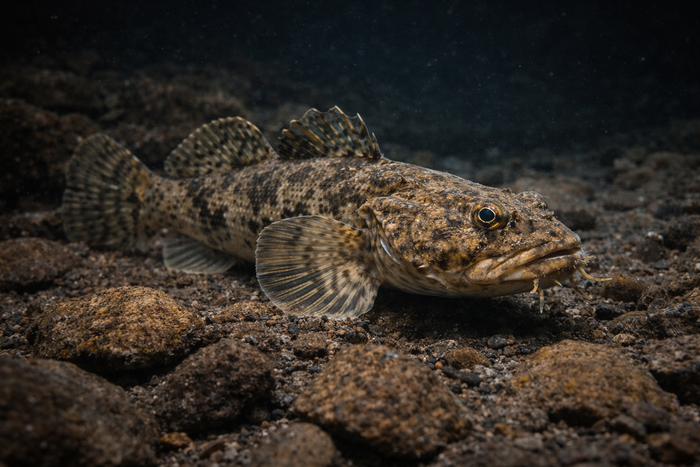
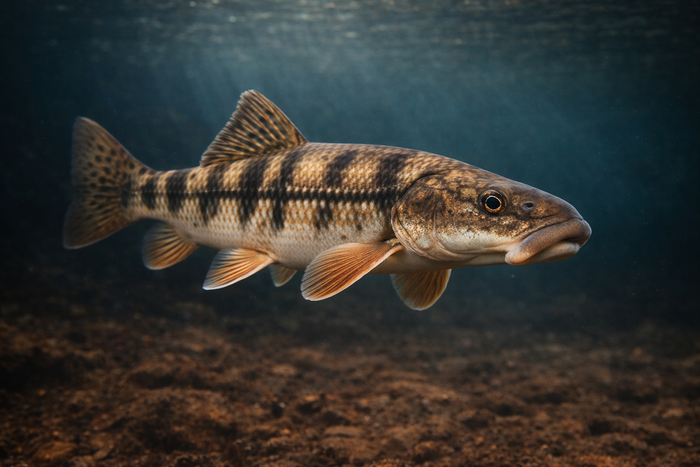
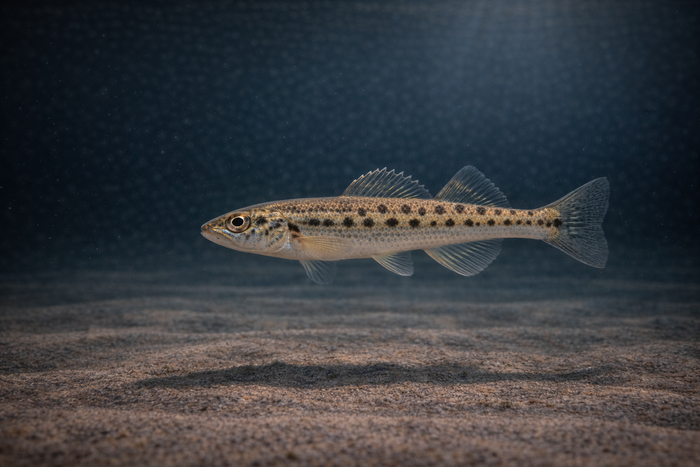
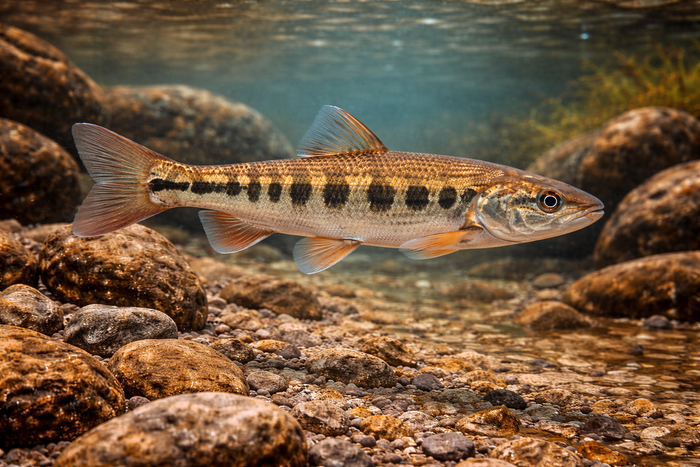
Forget flashy colors or giant size. The Banded Sculpin’s claim to fame lies in its cryptic appearance and specialized body shape. Its flattened head and broad pectoral fins allow it to hug the streambed like a pro, blending seamlessly with rocks and gravel. The alternating dark and light bands across its body aren’t just for show—they break up its outline, making it nearly invisible to both predators and prey.
Unlike many fish that rely on speed, the Banded Sculpin is an ambush predator. It waits patiently, often motionless, until unsuspecting invertebrates or small fish drift close enough to snatch. This stealthy hunting strategy is supported by its keen eyesight and quick reflexes. The Banded Sculpin’s ability to remain perfectly still for extended periods is a survival skill that sets it apart from many other freshwater species.
Habitat & Global Range
The Banded Sculpin is a native of the eastern United States, primarily found in the Appalachian region. Its habitat preferences are specific: cold, clear, fast-flowing streams with rocky or gravelly bottoms. These conditions provide the perfect environment for hiding and hunting. If you’re exploring Banded Sculpin habitat, look for riffles and shallow pools where oxygen levels are high and water movement is steady.
This fish is not a traveler. It tends to stick close to home, rarely venturing far from its chosen streambed territory. Its distribution is patchy but consistent within suitable habitats, making it a reliable indicator species for healthy freshwater ecosystems in its range.
Behavior & Temperament
The Banded Sculpin is a solitary, territorial fish with a no-nonsense attitude. It doesn’t school or mingle much, preferring to stake out a prime spot on the streambed and defend it aggressively. This territoriality is especially pronounced during breeding season when males guard nests with fierce dedication.
Despite its small size, the Banded Sculpin is a tough customer. It can withstand swift currents and fluctuating water conditions that would challenge less specialized fish. Its behavior is mostly nocturnal or crepuscular, meaning it’s most active at dawn, dusk, or night—prime times for ambush hunting.
Ecological Importance
The Banded Sculpin plays a crucial role in freshwater ecosystems. As a predator of aquatic insects, larvae, and small fish, it helps regulate populations of these species, maintaining a balanced food web. Its presence signals good water quality, as it requires clean, well-oxygenated streams to thrive.
Additionally, the Banded Sculpin serves as prey for larger fish, birds, and other wildlife, linking multiple trophic levels. Its nesting habits contribute to the streambed’s microhabitat complexity, indirectly supporting other organisms. Understanding Banded Sculpin facts is key to appreciating how interconnected and delicate freshwater ecosystems truly are.
Conservation & Environmental Pressures
Though not currently listed as endangered, the Banded Sculpin faces threats from habitat degradation. Pollution, sedimentation, and dam construction disrupt the cold, clear streams it calls home. Urbanization and deforestation increase runoff and water temperature, conditions that are lethal for this cold-water specialist.
Conservation efforts focus on protecting stream habitats, maintaining water quality, and monitoring populations. Because the Banded Sculpin is sensitive to environmental changes, it serves as an early warning system for ecosystem health. Preserving its habitat means safeguarding countless other species that share the same waters.
The FishyAF Take
The Banded Sculpin may not be the flashiest fish in the stream, but it’s a powerhouse of adaptation and ecological significance. Its stealthy hunting, territorial nature, and habitat specificity make it a fascinating study in freshwater survival. For anglers and conservationists alike, understanding Banded Sculpin facts is a reminder that even the smallest fish can have a big impact.
If you want to grasp the health of a stream, look for the Banded Sculpin. Its presence or absence tells a story about water quality, ecosystem balance, and the unseen battles beneath the surface. This fish is a testament to nature’s ability to craft specialists that thrive in niche environments—bold, efficient, and quietly essential.