Ozark Sculpin (Cottus hypselurus): The Bottom-Dwelling Dynamo of Clear Streams
The Ozark Sculpin is not your average freshwater fish. Small but striking, this species commands attention with its rugged appearance and tenacious spirit. Native to the Ozark Plateau, it’s a master of blending into rocky streambeds, proving that sometimes the most unassuming fish pack the biggest ecological punch. For anglers, biologists, and nature enthusiasts alike, the Ozark Sculpin offers a fascinating glimpse into the complexity of stream ecosystems.
What Makes the Ozark Sculpin Unique?
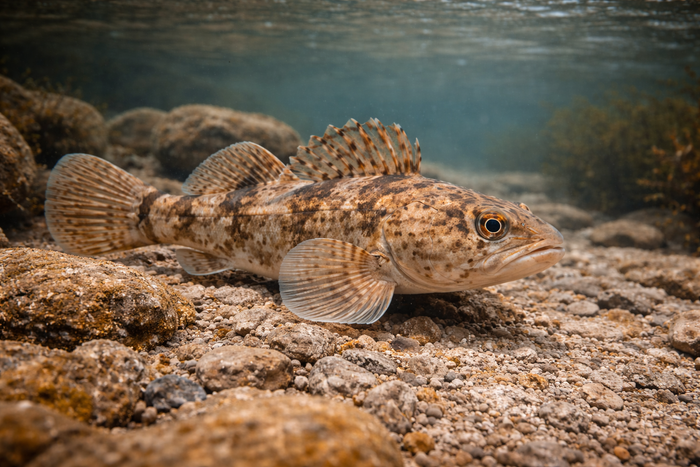
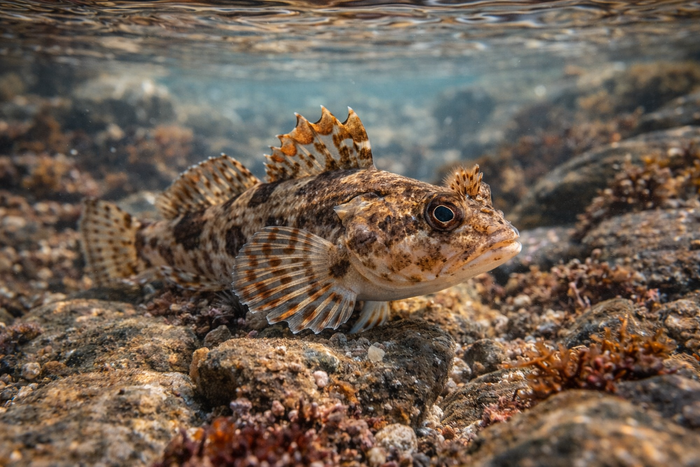
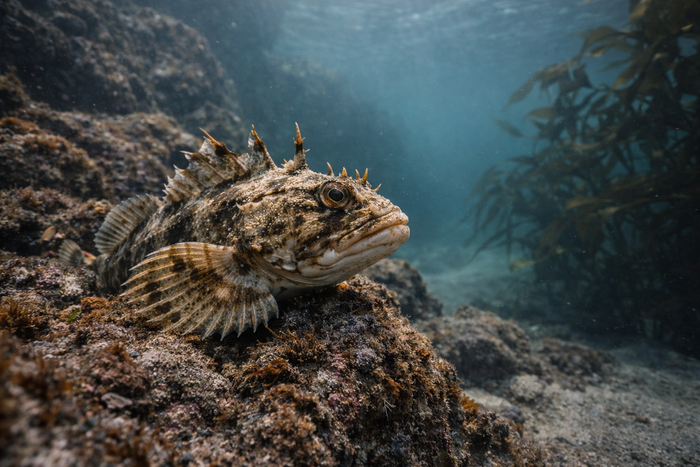
Unlike flashy game fish, the Ozark Sculpin thrives in the shadows, literally hugging the bottom of fast-flowing streams. Its body is flattened and broad-headed, designed for stability in turbulent waters. This fish boasts a mottled pattern of browns and grays, perfect camouflage against the gravel and cobble substrates it calls home. Unlike many sculpins, Cottus hypselurus has a distinctive high dorsal fin spine count, which is where its species name "hypselurus" (meaning "high tail") comes from. This anatomical trait is a key identifier for researchers and anglers trying to distinguish it from close relatives.
The Ozark Sculpin’s sensory system is finely tuned for detecting prey in murky or swift waters. It relies heavily on its lateral line system to sense vibrations, allowing it to hunt small invertebrates with precision. Its mouth is wide and equipped for bottom feeding, snapping up aquatic insects, larvae, and tiny crustaceans. This fish’s ability to exploit niche food sources makes it a vital player in its ecosystem.
Habitat & Global Range
The Ozark Sculpin is a regional specialist, found primarily in the clear, cold streams of the Ozark Plateau, spanning southern Missouri and northern Arkansas. Its habitat preference is very specific: clean, well-oxygenated streams with rocky or gravelly bottoms. These conditions provide both shelter and hunting grounds. The Ozark Sculpin habitat is characterized by riffles and runs where water moves swiftly but not so fast as to wash away the fish.
This species is a freshwater endemic, meaning it doesn’t venture beyond its native range. Its distribution is patchy, closely tied to stream quality and substrate composition. Because it depends on pristine conditions, the Ozark Sculpin serves as a biological indicator for stream health in the Ozarks. If you want to find one, look for clear waters with minimal sediment and abundant cover in the form of rocks or submerged logs.
Behavior & Temperament
The Ozark Sculpin is a bottom-dweller through and through. It spends most of its time crouched against rocks, waiting to ambush prey. This fish is not a social butterfly; it prefers solitude or small, loosely associated groups. Territorial behavior is common, especially during breeding seasons when males guard nests aggressively.
Despite its small size, the Ozark Sculpin is bold. It won’t shy away from defending its turf against intruders, including larger fish. Its cryptic coloration and flattened body help it avoid predators, but when cornered, it can be surprisingly feisty.
Reproduction involves males selecting and preparing nest sites under rocks. After females lay eggs, males guard the clutch until hatching, a behavior that increases offspring survival rates. This parental investment is a hallmark of many sculpin species and highlights the Ozark Sculpin’s evolutionary adaptations to its environment.
Ecological Importance
The Ozark Sculpin plays a crucial role in maintaining the balance of Ozark stream ecosystems. As a mid-level predator, it controls populations of aquatic insects and other invertebrates, preventing any one species from dominating. This predation helps maintain biodiversity and keeps the food web functioning smoothly.
Moreover, the Ozark Sculpin serves as prey for larger fish, birds, and other wildlife, linking lower and higher trophic levels. Its presence indicates a healthy, functioning stream ecosystem, making it an important species for ecological monitoring.
Because it requires clean, oxygen-rich water, the Ozark Sculpin is sensitive to pollution and habitat degradation. Its decline can signal broader environmental problems, such as sedimentation, chemical runoff, or changes in water flow. Protecting this fish means protecting the entire aquatic community it supports.
Conservation & Environmental Pressures
The Ozark Sculpin faces several environmental pressures that threaten its survival. Habitat destruction from dam construction, sedimentation due to poor land use practices, and water pollution are the primary concerns. Urbanization and agricultural runoff introduce nutrients and contaminants that degrade water quality, making streams less hospitable.
Climate change adds another layer of risk by altering stream temperatures and flow patterns. Since the Ozark Sculpin is adapted to cold, clear waters, even slight increases in temperature or changes in seasonal flow can disrupt its life cycle.
Conservation efforts focus on protecting and restoring stream habitats, improving water quality, and monitoring populations. Because the Ozark Sculpin is a regional endemic, local conservation actions have outsized impacts. Maintaining riparian buffers, controlling erosion, and limiting pollutants are practical steps that benefit this species and the broader ecosystem.
The FishyAF Take
The Ozark Sculpin may not be the flashiest fish in the river, but it’s a powerhouse of ecological significance and evolutionary finesse. Its specialized adaptations and role as an environmental indicator make it a species worth knowing and protecting. For anyone interested in Ozark Sculpin facts or exploring Ozark Sculpin habitat, remember this fish is a barometer of stream health and a testament to nature’s subtle complexity.
If you’re serious about freshwater ecology or just want to appreciate the hidden gems of North American rivers, the Ozark Sculpin deserves your attention. It’s a reminder that sometimes the smallest fish carry the biggest stories.