Red Tail Chub (Gila robusta): The River’s Fiery Flash You Can’t Ignore
The Red Tail Chub, scientifically known as Gila robusta, is a freshwater fish that commands attention with its striking coloration and robust build. Native to the southwestern United States, this species is more than just a splash of red in the water—it’s a key player in its ecosystem and a fascinating subject for anglers and biologists alike. Understanding the Red Tail Chub means diving into a world where survival, adaptation, and ecological balance intersect in a bold, memorable way.
What Makes the Red Tail Chub Unique?
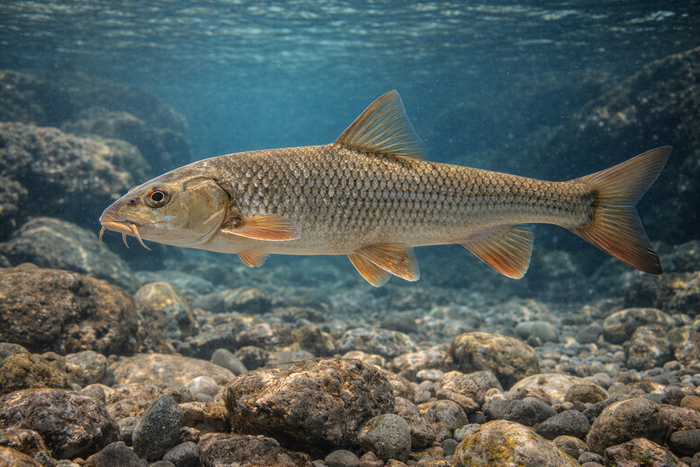
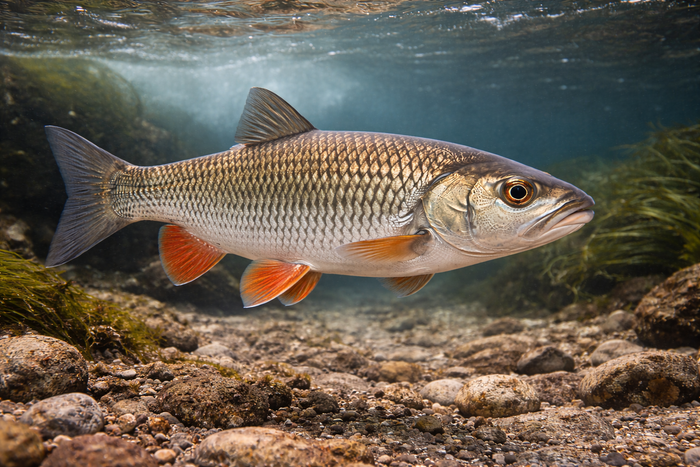
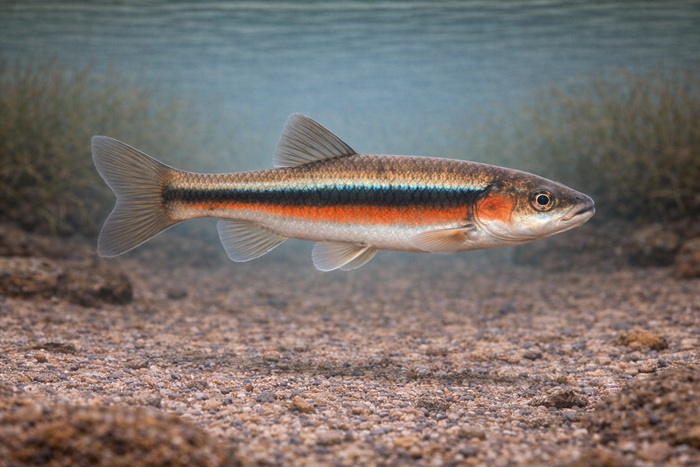
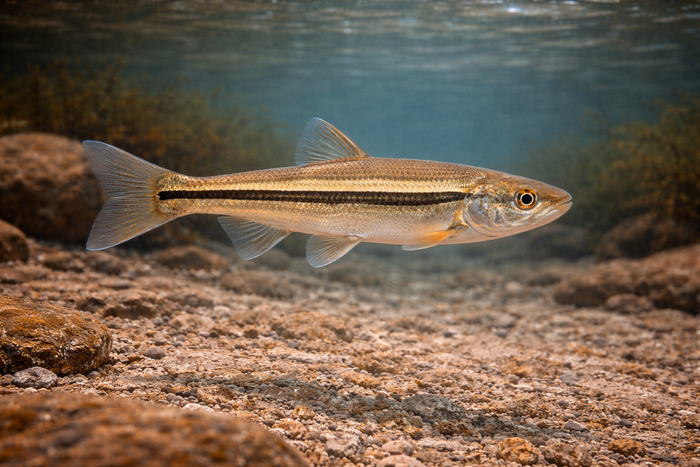
The Red Tail Chub stands out primarily because of its vivid red tail fin, which contrasts sharply with its otherwise silvery-gray body. This coloration isn’t just for show; it plays a role in communication and mating displays within the species. Beyond looks, the Red Tail Chub is notable for its sturdy, streamlined body adapted for fast-flowing streams and rivers. Unlike many other cyprinids, it exhibits a remarkable tolerance for varying water conditions, including temperature and turbidity shifts.
Another unique trait is its feeding behavior. The Red Tail Chub is an opportunistic omnivore, consuming a mix of aquatic insects, algae, and detritus. This flexible diet allows it to thrive in habitats where food availability fluctuates. Its mouth structure is designed for bottom feeding, scraping algae and small invertebrates off rocks and sediment, which is a bit of a niche move compared to other fish that chase prey mid-water.
Habitat & Global Range
The Red Tail Chub’s habitat is primarily the warm, rocky streams and rivers of the southwestern United States, particularly in the Colorado River basin and its tributaries. Its range covers parts of Arizona, New Mexico, Nevada, and Utah. These fish prefer clear, well-oxygenated waters with moderate to swift currents and a substrate of gravel or cobble, which supports their feeding and spawning habits.
Red Tail Chub habitat is often characterized by seasonal variability. They endure hot summers and cold winters, adapting to fluctuating water levels and occasional drought conditions. This resilience is a big part of why they persist in areas where other species might falter. However, their distribution is patchy, often limited to isolated river segments due to natural barriers and human-made disruptions.
Behavior & Temperament
Red Tail Chubs are generally peaceful but assertive fish. They exhibit schooling behavior, especially during juvenile stages, which offers protection from predators. Adults tend to be more territorial, particularly during spawning season when males stake out and defend nesting sites.
Their activity peaks during daylight hours, with feeding and social interactions happening mostly in the morning and late afternoon. They are not aggressive hunters but rely on stealth and quick bursts of speed to capture prey or avoid threats. Their social structure is fluid, with dominance hierarchies forming around prime feeding and breeding spots.
Interestingly, Red Tail Chubs communicate through subtle body movements and color changes, particularly the intensity of the red in their tails. This signaling plays a crucial role in mating rituals and establishing dominance without resorting to physical conflict.
Ecological Importance
The Red Tail Chub is a vital component of its freshwater ecosystem. As both predator and prey, it helps maintain the balance between aquatic insect populations and larger fish species. By grazing on algae and detritus, it also contributes to nutrient cycling and keeps the riverbed environment healthy.
Their spawning activities aerate the river substrate, which benefits other aquatic organisms. The presence of Red Tail Chubs often indicates a relatively healthy aquatic system, making them a useful bioindicator for environmental monitoring.
Moreover, they serve as a food source for a variety of predators, including birds, larger fish, and mammals. Their role in the food web underscores their importance beyond just their immediate habitat.
Conservation & Environmental Pressures
Despite their adaptability, Red Tail Chubs face significant environmental pressures. Habitat fragmentation from dam construction, water diversion for agriculture, and urban development has isolated populations and reduced genetic diversity. Pollution and sedimentation degrade water quality, directly impacting their survival.
Invasive species also pose a threat by competing for food and habitat or preying on juvenile chubs. Climate change adds another layer of stress, altering water temperatures and flow patterns critical to their life cycle.
Conservation efforts focus on habitat restoration, improving water quality, and reconnecting fragmented river systems. Protecting the Red Tail Chub means safeguarding the broader health of southwestern river ecosystems. Without targeted action, these fish risk slipping into decline, taking with them the ecological functions they support.
The FishyAF Take
The Red Tail Chub is a prime example of a species that punches above its weight in ecological significance and adaptability. It’s not flashy in the way exotic tropical fish are, but its bold red tail and rugged lifestyle make it unforgettable. For anglers and conservationists, understanding Red Tail Chub facts is essential to appreciating the complexity of southwestern freshwater habitats.
This fish is a survivor, a sentinel, and a vital thread in the aquatic tapestry. If you want to grasp what makes river ecosystems tick, start with the Red Tail Chub. It’s a reminder that sometimes the most impactful species aren’t the biggest or the brightest—they’re the ones that keep the whole system running smoothly, quietly holding their ground against the odds.