Cubbyu Chub (Erimystax dissimilis): The Stream’s Subtle Showstopper That Commands Attention
Meet the Cubbyu Chub, a small but striking freshwater fish that punches well above its weight in the world of North American streams. Known scientifically as Erimystax dissimilis, this species is a member of the minnow family, Cyprinidae, and thrives in fast-flowing, clear waters. Despite its unassuming size, the Cubbyu Chub boasts a distinct appearance and behavior that make it a fascinating subject for anglers, biologists, and conservationists alike. This guide dives deep into Cubbyu Chub facts, shedding light on what sets this fish apart and why it deserves more recognition.
What Makes the Cubbyu Chub Unique?
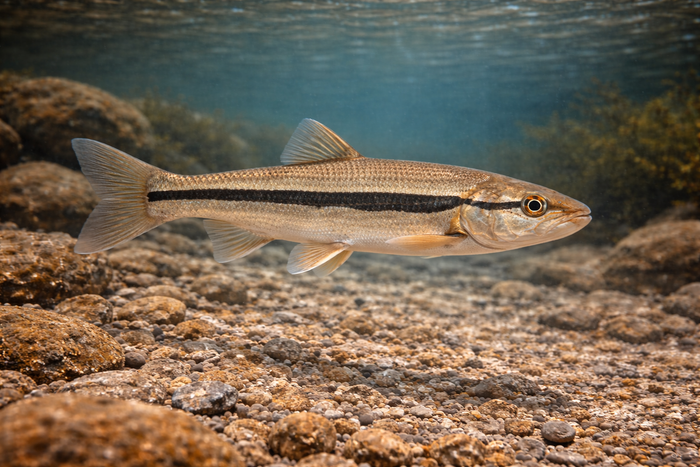
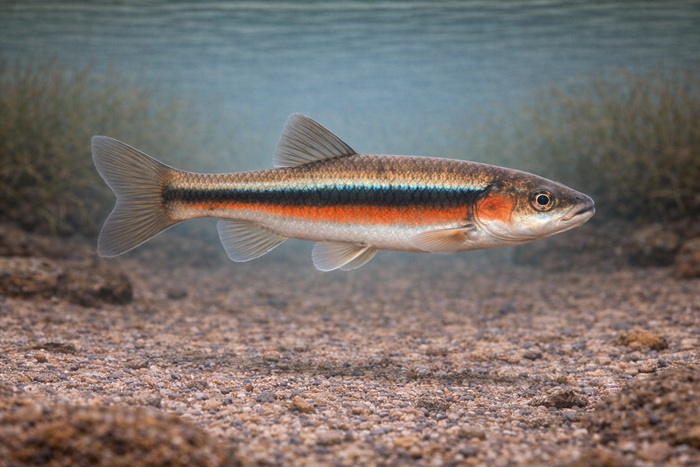
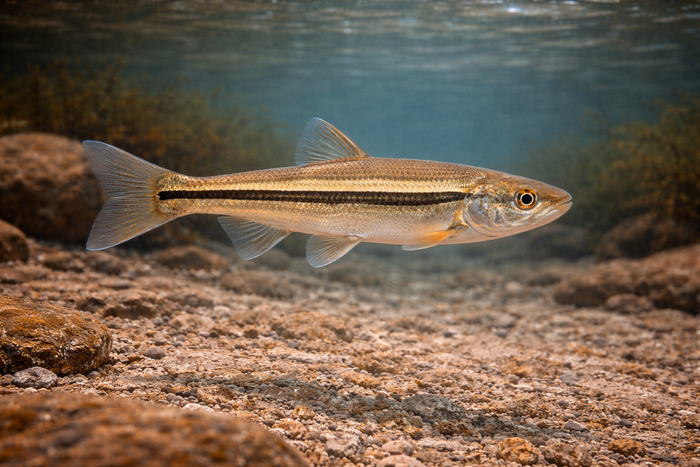
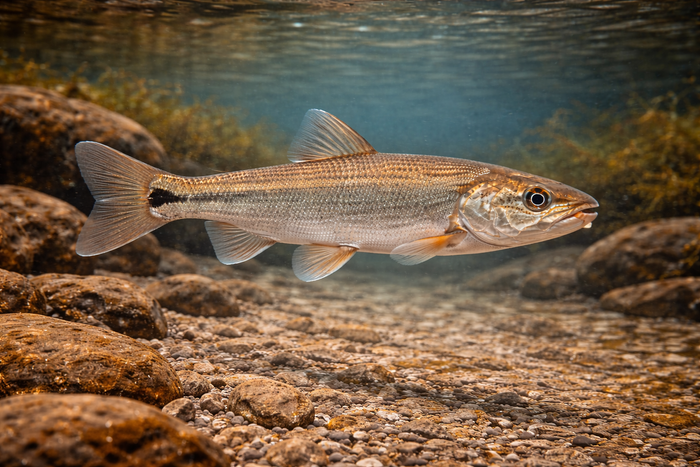
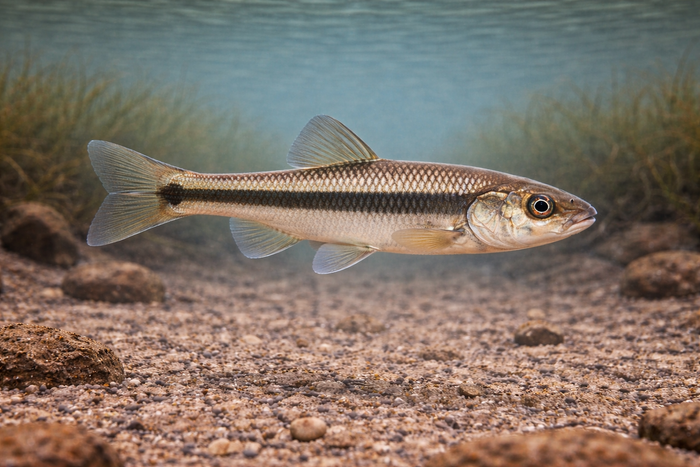
The Cubbyu Chub isn’t your average minnow. Its defining feature is a bold, dark lateral stripe running the length of its silvery body, bordered by a series of subtle, iridescent spots that shimmer when caught in the right light. This pattern isn’t just for show—it serves as camouflage against the rocky substrates of its habitat, breaking up its outline to confuse predators.
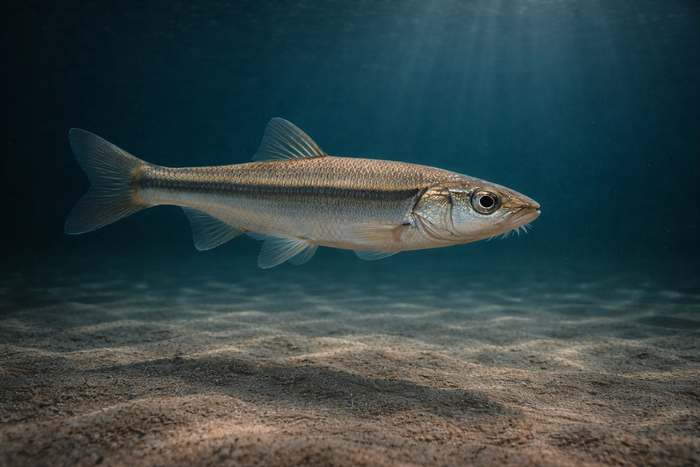
Unlike many minnows that blend into the background, the Cubbyu Chub’s combination of coloration and streamlined body shape makes it a standout swimmer. Its mouth is slightly subterminal, adapted for bottom feeding, which sets it apart from other chubs that often feed mid-water or near the surface. This fish is a benthic forager, sifting through gravel and sand for insect larvae and small invertebrates, a behavior that influences its role in stream ecosystems.
Habitat & Global Range
Cubbyu Chub habitat is strictly freshwater, with a preference for cool, clear, and well-oxygenated streams and rivers. It’s native to the central and eastern United States, primarily found in the Mississippi River basin and tributaries extending into parts of the Ohio and Tennessee River systems. These fish favor riffles and runs with moderate to swift currents, where the water is shallow but energetic enough to keep sediment from settling.
The substrate in these habitats is typically composed of gravel, cobble, and sand, providing the perfect environment for the Cubbyu Chub’s bottom-feeding habits. They avoid stagnant or heavily silted waters, which can suffocate their food sources and disrupt their spawning grounds. Seasonal changes in water flow influence their distribution within streams, with some populations moving to deeper pools during drought or winter months.
Behavior & Temperament
Cubbyu Chubs are active, agile swimmers that prefer to stay close to the streambed. They are schooling fish, often found in small to moderate groups, which provides safety in numbers and increases foraging efficiency. Their temperament is generally cautious but curious; they will dart away quickly when disturbed but may return to inspect changes in their environment.
Spawning behavior is another intriguing aspect. During the breeding season, males develop more intense coloration and engage in subtle displays to attract females. They spawn over clean gravel beds, where eggs are deposited and left to develop without parental care. This reproductive strategy relies heavily on the availability of pristine substrates, making them sensitive to habitat disturbances.
Ecological Importance
The Cubbyu Chub plays a vital role in stream ecosystems. As a benthic feeder, it helps control populations of aquatic insect larvae, which can influence the overall health of the waterway. By disturbing the substrate during feeding, it also contributes to nutrient cycling and sediment turnover, processes essential for maintaining habitat quality.
Moreover, Cubbyu Chubs serve as a key food source for larger predatory fish, birds, and other wildlife. Their presence indicates a healthy, well-oxygenated stream environment, making them an important bioindicator species. Monitoring Cubbyu Chub populations can provide early warnings of ecological shifts or degradation in freshwater systems.
Conservation & Environmental Pressures
Despite their resilience, Cubbyu Chubs face growing threats from habitat loss and water quality degradation. Urbanization, agriculture, and dam construction have altered many of their native streams, reducing flow variability and increasing sedimentation. These changes can smother spawning grounds and reduce the availability of benthic prey.
Pollution from pesticides, heavy metals, and nutrient runoff further compromises their habitat, leading to population declines in some areas. Climate change adds another layer of complexity, with altered precipitation patterns and increased water temperatures stressing these cold-water specialists.
Conservation efforts focus on protecting and restoring stream habitats, improving water quality, and maintaining natural flow regimes. Riparian buffer zones and sediment control measures are critical for preserving the clean gravel beds essential for Cubbyu Chub reproduction. In some regions, targeted monitoring programs track population trends to inform management decisions.
The FishyAF Take
The Cubbyu Chub may not be the flashiest fish in the stream, but it’s a powerhouse of ecological significance and evolutionary finesse. Its distinctive appearance and specialized behaviors make it a standout among minnows, deserving more attention from anglers and conservationists alike. Understanding Cubbyu Chub facts and habitat needs is crucial for protecting the integrity of freshwater ecosystems where this species thrives.
If you’re serious about freshwater fishing or stream ecology, the Cubbyu Chub is a species worth knowing. It’s a reminder that even the smallest fish can have outsized roles in their environment—and that preserving their habitat means preserving the health of entire waterways. Next time you’re by a clear, rushing stream, keep an eye out for this subtle but bold swimmer. It’s a living testament to the complexity and beauty of freshwater life.