Creek Dace (Chrosomus erythrogaster): Small Fish, Big Personality, and a Splash of Color You Can’t Ignore
The Creek Dace is not your average minnow. This little freshwater fish packs a punch with its striking colors and bold behavior. Known scientifically as Chrosomus erythrogaster, the Creek Dace is a staple of North American streams and creeks, often overlooked but impossible to ignore once you know what to look for. If you want to dive into some solid Creek Dace facts, you’re in the right place.
What Makes the Creek Dace Unique?
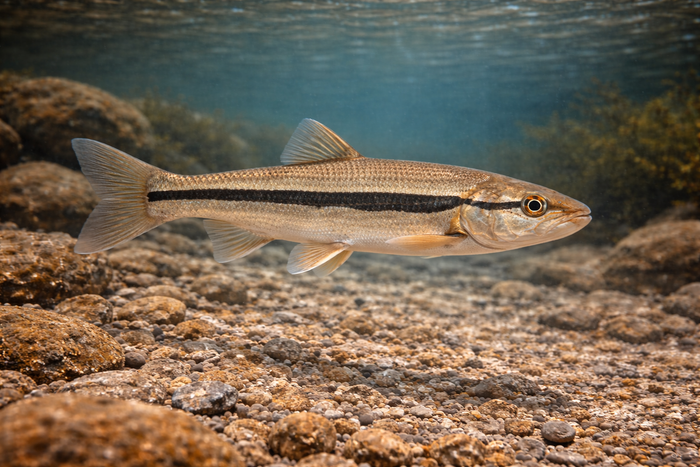
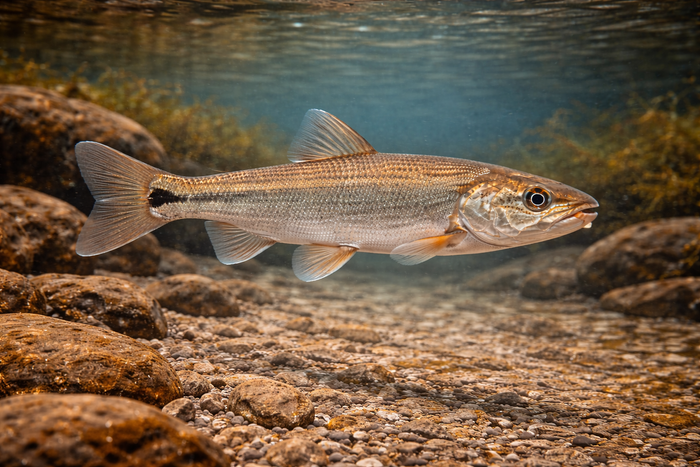
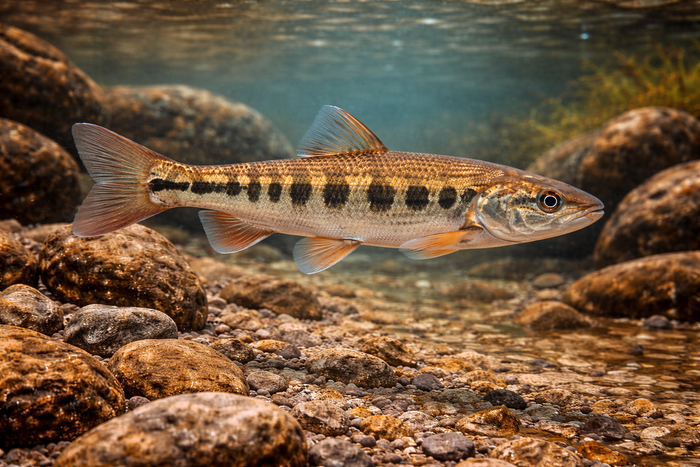
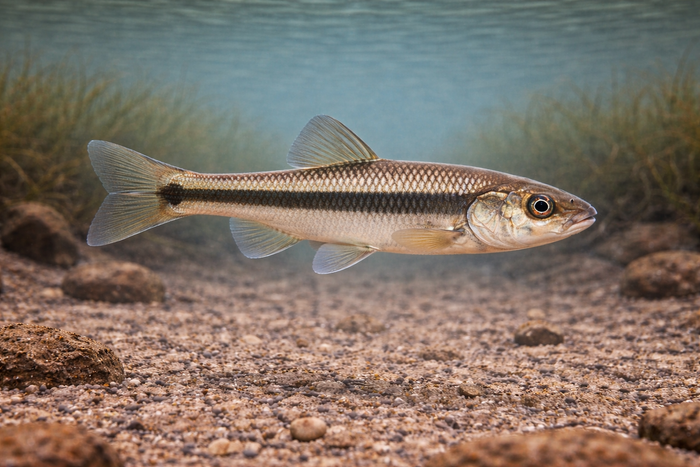
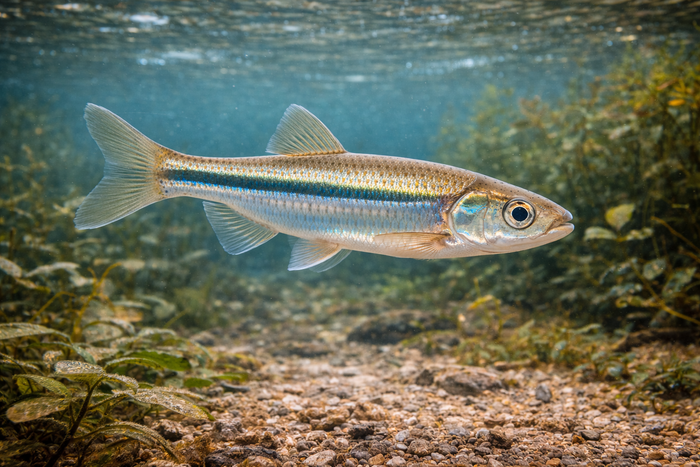
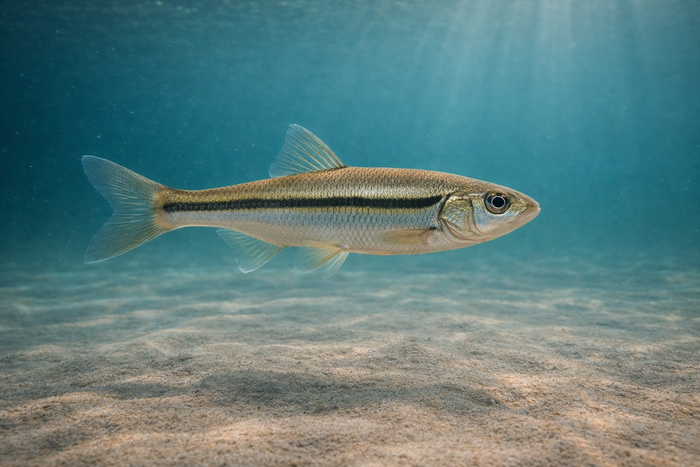
The Creek Dace stands out with its vibrant, almost neon-like coloration. Unlike many drab minnows, this species sports a bright orange to red belly, especially during breeding season, contrasted by a silvery body with dark lateral stripes. This flashy appearance isn’t just for show; it plays a role in mating and territorial displays.
Beyond looks, the Creek Dace has a robust, somewhat stocky body shape that’s built for life in fast-moving waters. Its mouth is small but perfectly designed for picking up tiny invertebrates and organic detritus. The species also exhibits a curious mix of boldness and skittishness—ready to dart away at the slightest hint of danger but often seen boldly patrolling its territory.
Habitat & Global Range
Creek Dace habitat is all about clean, cool, and well-oxygenated streams and creeks. These fish prefer shallow waters with gravel or rocky bottoms where they can easily forage and hide. They are native primarily to the central and eastern United States, with a range that extends from the Mississippi River basin eastward to parts of the Appalachian region.
Their preference for clear, unpolluted waters makes them excellent indicators of stream health. If you find a thriving population of Creek Dace, chances are the water quality is top-notch. They avoid stagnant or heavily silted waters, which can suffocate their eggs and reduce food availability.
Behavior & Temperament
Creek Dace are territorial little fighters. Males especially become aggressive during spawning season, defending their chosen spots with surprising tenacity. Outside of breeding, they tend to form small schools, which helps reduce predation risk and increases foraging efficiency.
Their diet is a mix of aquatic insects, larvae, and small crustaceans. They’re opportunistic feeders, often seen picking at the streambed or snapping up drifting prey. Despite their small size, Creek Dace are quick and agile swimmers, using bursts of speed to evade predators or chase down food.
They’re not the kind of fish you’ll find lounging around. These guys are constantly on the move, patrolling their turf and responding to changes in their environment with rapid adjustments in behavior.
Ecological Importance
Creek Dace play a crucial role in freshwater ecosystems. As insectivores, they help control populations of aquatic insects, some of which can be pests or vectors for disease. Their feeding activity also contributes to nutrient cycling, breaking down organic matter and facilitating energy flow through the food web.
They serve as prey for larger fish, birds, and other wildlife, making them a vital link in the aquatic food chain. Because they require clean water, their presence—or absence—can signal shifts in ecosystem health, making them valuable bioindicators for conservationists and environmental scientists.
Conservation & Environmental Pressures
While not currently listed as endangered, Creek Dace populations face threats from habitat degradation. Pollution, sedimentation from agriculture and construction, and damming of streams disrupt their preferred habitats. These changes reduce water quality and alter flow regimes, making it harder for Creek Dace to survive and reproduce.
Invasive species and increased predation from non-native fish also pose challenges. Climate change adds another layer of pressure by affecting water temperatures and stream flow patterns, potentially pushing Creek Dace out of their comfort zones.
Protecting Creek Dace habitat means preserving clean, free-flowing streams and maintaining riparian buffers to reduce runoff. Conservation efforts focused on watershed health benefit not only Creek Dace but countless other aquatic species.
The FishyAF Take
The Creek Dace is a small fish with a big role. It’s a splash of color in often overlooked streams, a fierce little warrior defending its turf, and a key player in freshwater ecosystems. If you care about clean water and healthy streams, you should care about Creek Dace facts and their habitat. They’re nature’s early warning system, and ignoring them means missing out on critical clues about the health of our waterways.
For anglers, biologists, or just the curious, the Creek Dace offers a masterclass in how even the smallest fish can command attention and respect. Keep an eye out next time you’re near a clear creek—you might just spot one of these bold little characters darting through the riffles.