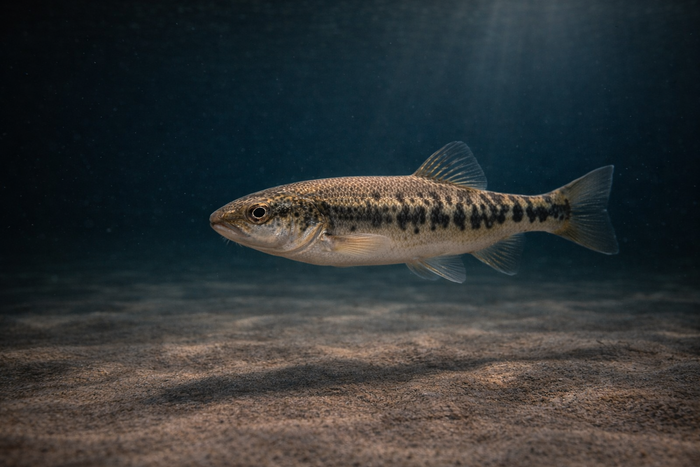
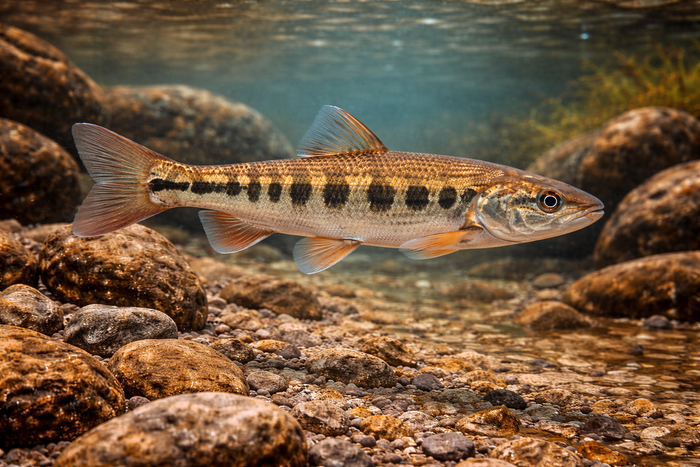
Cutlip Minnow (Exoglossum maxillingua): The Fish with a Built-in Lip Tool That Means Business
The Cutlip Minnow isn’t your average small freshwater fish. Sporting a name that hints at something unusual, this species has carved out a niche in North American streams with a mouth structure that’s as distinctive as it is functional. If you’re diving into Cutlip Minnow facts, prepare to meet a fish that’s part engineer, part survivor, and all about adapting to its environment.
What Makes the Cutlip Minnow Unique?
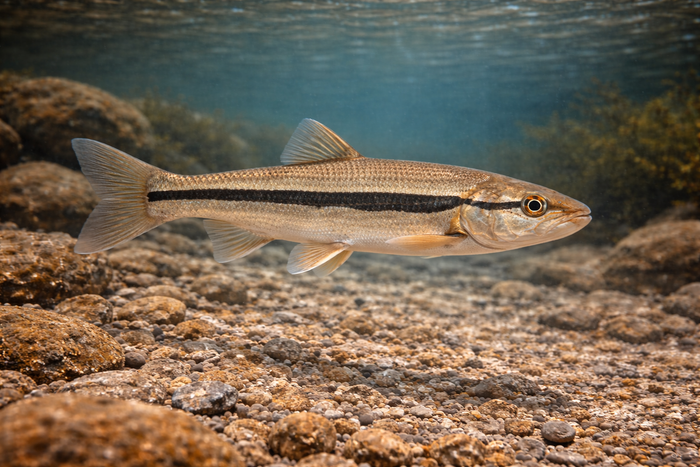
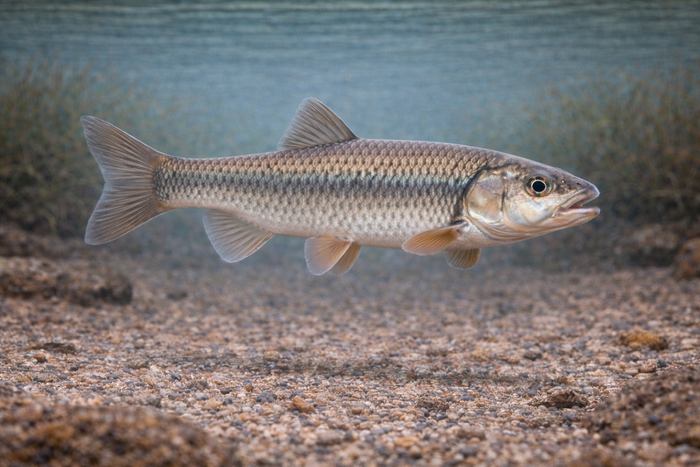
The standout feature of the Cutlip Minnow is its lower jaw, which is split into three fleshy lobes—hence the name “cutlip.” This isn’t just a quirky design; it’s a specialized tool for scraping algae and invertebrates off rocks and submerged surfaces. Unlike many minnows that nip or suck, the Cutlip Minnow’s jaw acts like a built-in scraper, allowing it to exploit food sources others can’t reach. This adaptation gives it a competitive edge in fast-flowing, rocky streams where food can be locked onto surfaces.
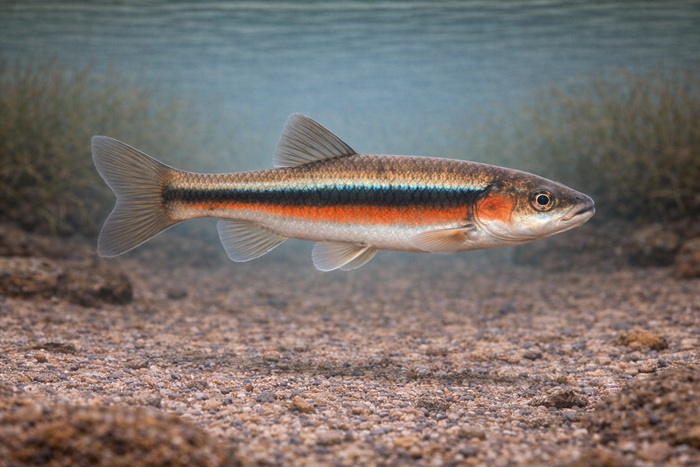
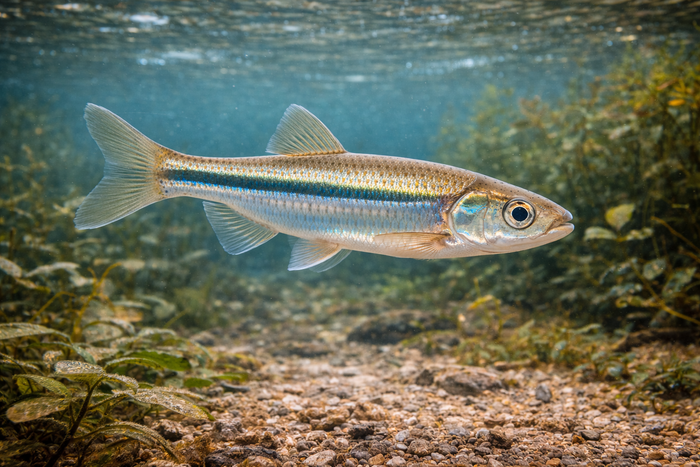
Another unique trait is its streamlined, somewhat compressed body, built for darting in currents. Its coloration blends silvery sides with darker backs, providing camouflage against both predators and prey. The Cutlip Minnow’s mouth anatomy and body shape make it a standout in the minnow family, setting it apart from the crowd.
Habitat & Global Range
Cutlip Minnows are native to eastern North America, primarily found in the Great Lakes basin and parts of the Mississippi River drainage. Their preferred Cutlip Minnow habitat consists of clear, cool, fast-flowing streams and rivers with gravel or rocky bottoms. These environments provide the perfect substrate for their scraping feeding style and offer ample oxygenation.
They avoid stagnant waters and heavily silted areas, favoring habitats where water quality is high and flow is steady. This makes them excellent indicators of stream health. Their range extends from southern Canada down through the northern United States, but they are patchy in distribution, tied closely to suitable habitat conditions.
Behavior & Temperament
Cutlip Minnows are active, bottom-oriented fish that spend much of their time foraging along the substrate. They are diurnal, meaning they’re most active during daylight hours when their food sources are accessible. Their scraping feeding behavior is methodical and efficient, often seen grazing on algae films and small invertebrates clinging to rocks.
Socially, Cutlip Minnows are moderately gregarious, often found in small groups rather than large schools. They exhibit territorial tendencies during spawning seasons, with males defending prime nesting spots under rocks. Spawning involves depositing adhesive eggs in crevices, where they develop safely away from predators.
Temperament-wise, they’re not aggressive but can be competitive when it comes to food and breeding sites. Their bold feeding strategy and territoriality during reproduction make them a fascinating subject for behavioral studies.
Ecological Importance
The Cutlip Minnow plays a crucial role in stream ecosystems. By scraping algae and biofilms off rocks, they help control algal growth, maintaining balance in aquatic plant communities. This grazing activity supports water quality and clarity, benefiting other aquatic organisms.
They also serve as a vital food source for larger predatory fish, birds, and other wildlife. Their presence indicates a healthy, functioning ecosystem, as they require clean, well-oxygenated water to thrive. In this way, Cutlip Minnows act as both ecosystem engineers and bioindicators, linking water quality to broader ecological health.
Conservation & Environmental Pressures
Despite their adaptability, Cutlip Minnows face threats from habitat degradation. Sedimentation from agriculture, urban runoff, and deforestation can smother the rocky substrates they depend on, reducing food availability and spawning sites. Pollution and changes in water temperature due to climate change also pose risks.
Dams and waterway modifications disrupt their natural flow regimes, fragmenting populations and limiting access to critical habitats. While not currently listed as endangered, local populations have declined in some areas, signaling the need for habitat protection and restoration efforts.
Maintaining healthy stream corridors, reducing sediment input, and monitoring water quality are essential for preserving Cutlip Minnow populations. Their sensitivity to environmental changes makes them a species to watch in freshwater conservation.
The FishyAF Take
The Cutlip Minnow is a small fish with a big personality and a mouth built for business. Its specialized jaw and scraping feeding style make it a standout among minnows, while its habitat preferences tie it closely to the health of North American streams. This fish isn’t just a curiosity; it’s a key player in maintaining aquatic ecosystem balance.
If you’re into freshwater ecology or just want to know more about the unsung heroes of stream life, the Cutlip Minnow is a perfect example of evolutionary innovation meeting environmental necessity. Keep an eye on water quality and habitat preservation if you want to keep these bold little fish scraping away for generations to come. When it comes to Cutlip Minnow facts and habitat, understanding their role highlights why even the smallest fish deserve respect—and a place in the conservation spotlight.