Pond Shiner (Notropis blennius): Small Fish, Big Impact in Freshwater Ecosystems
The Pond Shiner, scientifically known as Notropis blennius, is a freshwater fish that punches above its weight in ecological significance. Often overlooked due to its modest size and unassuming appearance, this species plays a vital role in the aquatic communities it inhabits. Understanding the Pond Shiner’s biology, behavior, and environmental needs offers insight into freshwater ecosystem health and biodiversity.
What Makes the Pond Shiner Unique?
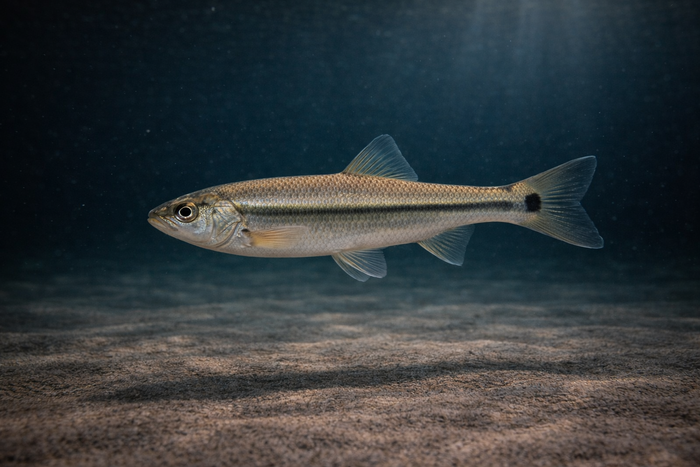
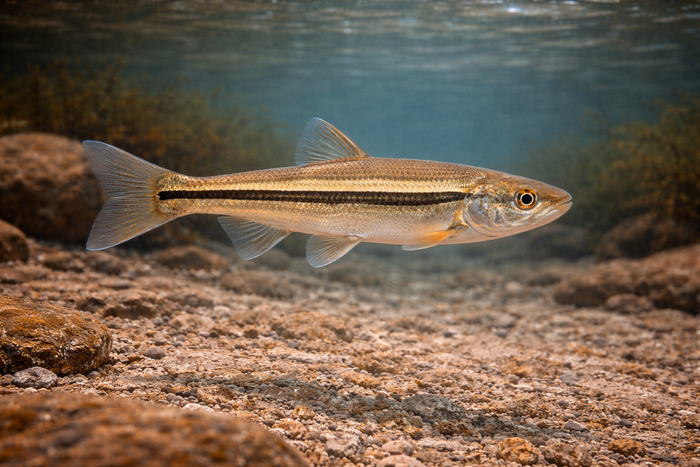
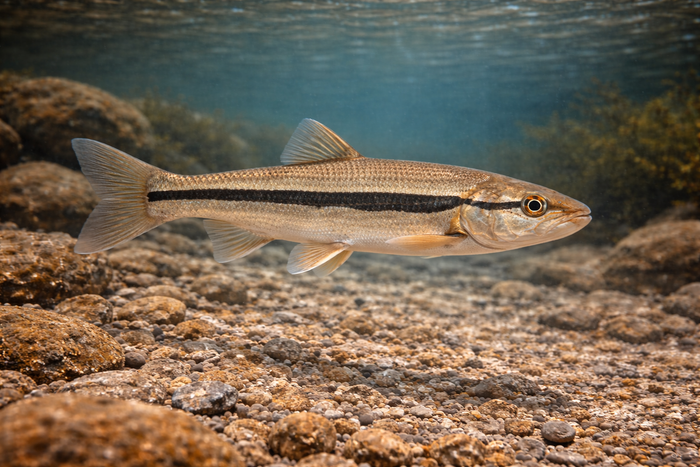
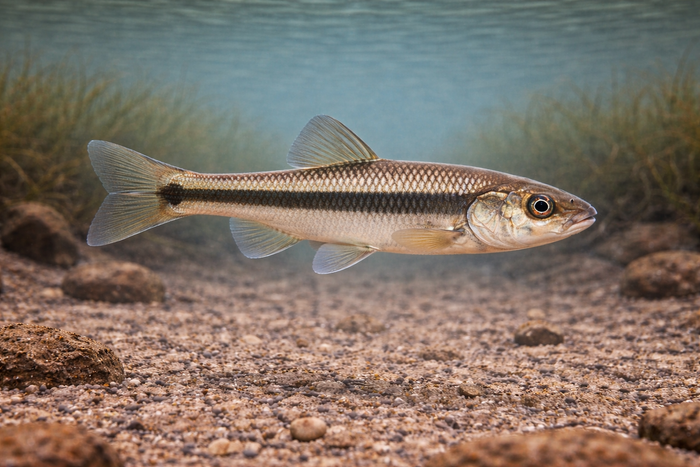
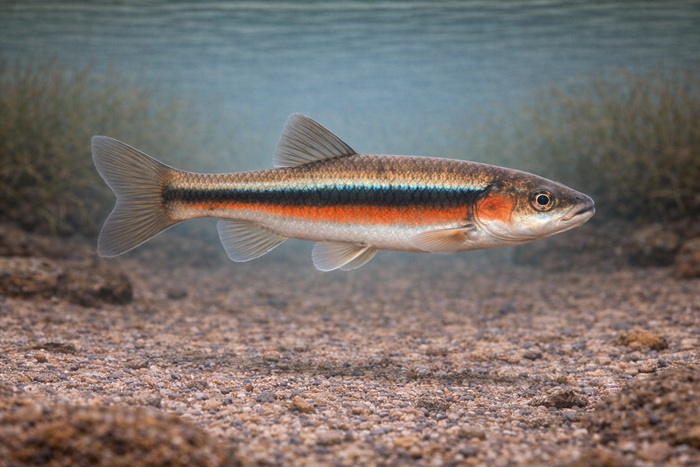
At first glance, the Pond Shiner might blend into the background of any freshwater body, but it boasts distinctive features that set it apart. Its slender, streamlined body is built for quick, agile movements, allowing it to evade predators and dart through currents with ease. Unlike many minnows, the Pond Shiner displays a subtle but distinct lateral stripe that runs along its silvery sides, a trait that helps in species identification.
This fish is a member of the Cyprinidae family, which includes carps and minnows, but it stands out for its adaptability. It thrives in a variety of freshwater environments, from slow-moving ponds to faster streams. Its diet is opportunistic, feeding primarily on small invertebrates, algae, and detritus, which positions it as both a consumer and a recycler within its habitat.
Habitat & Global Range
The Pond Shiner’s habitat preferences are broad but specific enough to define its niche. True to its name, it favors ponds, but it is equally comfortable in lakes, slow streams, and backwaters with ample vegetation. These environments provide shelter from predators and abundant food resources.
Geographically, the Pond Shiner is native to North America, predominantly found in the central and eastern United States. Its range extends across the Mississippi River basin and into tributaries feeding the Great Lakes. The species’ ability to tolerate a range of water conditions—from clear to slightly turbid—makes it a resilient resident in diverse freshwater systems.
Understanding Pond Shiner habitat is crucial for conservation efforts. They require clean, well-oxygenated water with moderate vegetation. Excessive pollution or habitat modification can quickly disrupt their populations.
Behavior & Temperament
Pond Shiners are schooling fish, which means they prefer to move in groups. This behavior is a survival strategy, reducing individual risk from predators and increasing foraging efficiency. Their schooling is tight and coordinated, a spectacle of synchronized swimming that also aids in navigation through complex aquatic environments.
Temperament-wise, Pond Shiners are non-aggressive and shy. They avoid confrontation and rely on speed and schooling to escape threats. They are active during daylight hours, feeding primarily in the morning and late afternoon. Their reproductive behavior involves spawning in shallow waters with gravel or sandy bottoms, where eggs can adhere to substrates and hatch safely.
Ecological Importance
Despite their small size, Pond Shiners are ecological heavyweights. They serve as a critical link in the food web, transferring energy from lower trophic levels like algae and small invertebrates up to larger predators such as bass, pike, and herons. Their feeding habits help control insect populations, including larvae that could otherwise explode and disrupt ecosystem balance.
Moreover, Pond Shiners contribute to nutrient cycling. By consuming detritus and organic matter, they help break down and redistribute nutrients, maintaining water quality and supporting plant growth. Their presence is often an indicator of a healthy aquatic system, as they are sensitive to pollution and habitat degradation.
Conservation & Environmental Pressures
While the Pond Shiner is not currently listed as endangered, its populations face threats from habitat loss, pollution, and invasive species. Urban development and agricultural runoff introduce sediments and chemicals that degrade water quality, directly impacting Pond Shiner habitat. Dams and waterway modifications alter flow regimes, disrupting spawning grounds and migration patterns.
Invasive species compete for food and space, sometimes preying on Pond Shiner juveniles. Climate change adds another layer of complexity, affecting water temperatures and seasonal cycles critical for breeding.
Conservation efforts focus on protecting and restoring natural habitats, improving water quality, and monitoring populations. Maintaining riparian buffers and reducing pollutant inputs are practical steps that benefit Pond Shiners and countless other aquatic organisms.
The FishyAF Take
The Pond Shiner may not be the flashiest fish in the freshwater world, but it’s a cornerstone species that deserves more respect. Its adaptability and role in maintaining ecosystem balance make it a silent champion of clean, healthy waters. For anglers, conservationists, and aquatic enthusiasts, understanding Pond Shiner facts is a reminder that even the smallest fish can have a big story.
Keep an eye on Pond Shiner habitat conditions if you want to gauge the health of your local waters. When these little fish thrive, it’s a sign the ecosystem is in good shape. Neglect their needs, and you risk unraveling the delicate web of life beneath the surface. The Pond Shiner is proof that sometimes, the most unassuming creatures are the ones holding everything together.