Spottail Shiner (Notropis hudsonius): Small Fish, Big Personality in North America’s Freshwaters
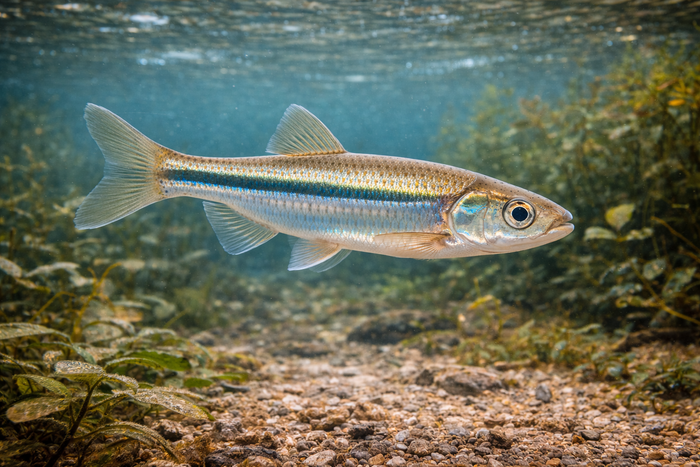
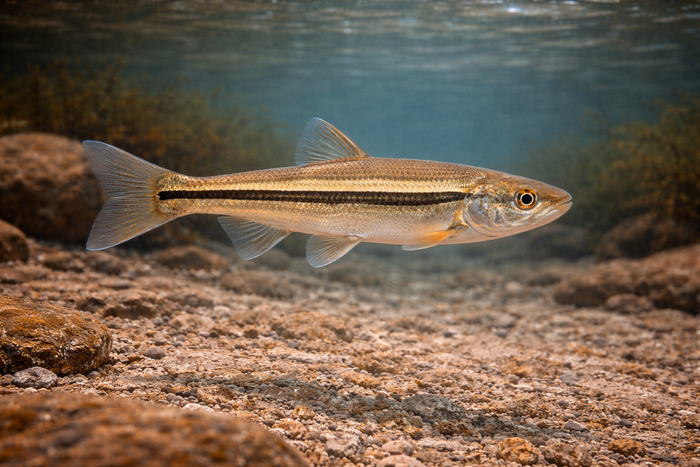
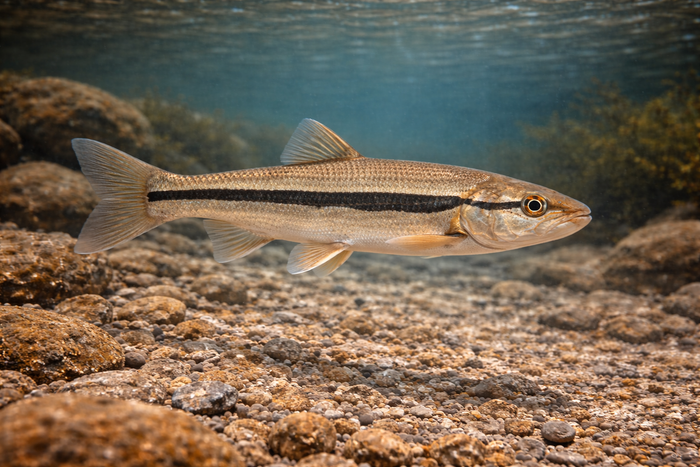
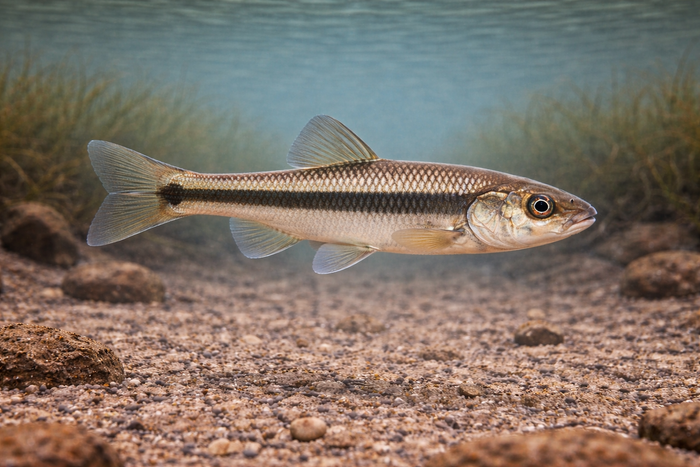
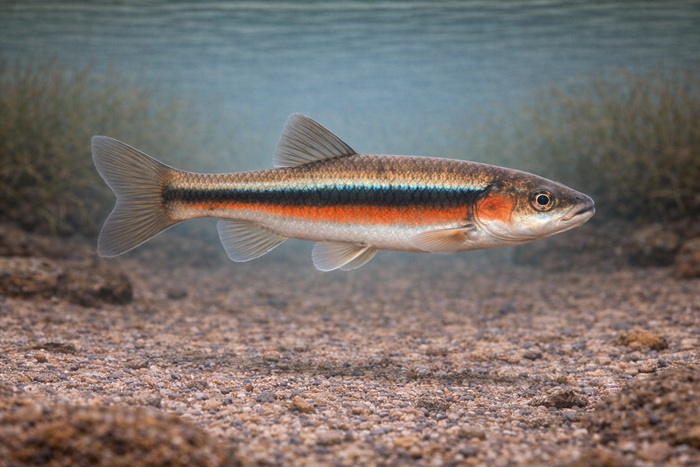
The Spottail Shiner is one of those fish that slips under the radar but deserves a spotlight. Notropis hudsonius, with its sleek silver body and distinctive black spot near the tail, is a staple in freshwater ecosystems across much of eastern North America. It’s not flashy like a bass or dramatic like a catfish, but this little shiner plays a critical role in the aquatic food web and offers plenty of intrigue for anglers and biologists alike. If you want to understand the backbone of many river and lake systems, start here.
What Makes the Spottail Shiner Unique?
The Spottail Shiner’s standout feature is the black spot at the base of its tail fin—simple, yet unmistakable. Beyond looks, this fish is a master of adaptation. It thrives in a variety of freshwater environments, from clear, fast-flowing streams to murkier lakes. Unlike many minnows, it can tolerate a surprising range of temperatures and water conditions. Its schooling behavior is tight and coordinated, a survival tactic that reduces predation risk and maximizes foraging efficiency.
Another unique trait is its diet flexibility. While primarily feeding on algae, small invertebrates, and detritus, the Spottail Shiner can adjust its feeding habits based on availability. This opportunistic approach not only keeps it alive but also makes it a vital link in transferring energy from lower to higher trophic levels.
Habitat & Global Range
Spottail Shiner habitat spans a broad swath of eastern North America, from the St. Lawrence River basin down through the Great Lakes and into parts of the Ohio River system. They prefer clear, cool waters with moderate current but are no strangers to slower, warmer lakes and reservoirs. Gravel or sandy bottoms are their go-to real estate, where they can spawn and find food with ease.
Their presence in both lotic (flowing) and lentic (still) systems speaks to their adaptability. This versatility allows them to colonize new areas quickly, especially when waterways connect through natural or man-made channels. Spottail Shiner habitat is often a good indicator of water quality, as they tend to avoid heavily polluted or oxygen-depleted zones.
Behavior & Temperament
If fish had social lives, the Spottail Shiner would be the extrovert of the group. These fish school tightly, moving in synchrony to confuse predators and enhance foraging success. They are active during daylight hours, darting around midwater to pick off tiny prey items.
Temperament-wise, they’re not aggressive. They coexist peacefully with other small fish species, making them a common sight in mixed-species shoals. Their schooling behavior also reduces stress, which is why they rarely show signs of territorial disputes or dominance hierarchies.
During spawning season, males develop subtle breeding colors and engage in brief chases to secure mates. They deposit eggs over gravel beds, relying on water currents to oxygenate the developing embryos. This reproductive strategy ensures a steady population turnover, even in dynamic environments.
Ecological Importance
Don’t let their size fool you. Spottail Shiners are a cornerstone species in freshwater ecosystems. They serve as a crucial food source for larger predatory fish like bass, pike, and walleye. Their abundance can directly influence the health and growth rates of these game fish populations.
On the flip side, Spottail Shiners help control algae and small invertebrate populations, maintaining a balance that keeps water bodies healthy. Their feeding habits contribute to nutrient cycling, breaking down organic matter and redistributing it through the food web.
They also act as bioindicators. Because they are sensitive to pollution and habitat degradation, shifts in Spottail Shiner populations often signal broader environmental issues. Monitoring their numbers and health can provide early warnings about water quality declines.
Conservation & Environmental Pressures
While the Spottail Shiner isn’t currently listed as endangered or threatened, it faces growing pressures from habitat loss, pollution, and climate change. Urbanization and agricultural runoff introduce sediments and chemicals that degrade their preferred habitats. Dams and waterway modifications disrupt flow regimes and fragment populations.
Climate change adds another layer of complexity. Rising water temperatures and altered precipitation patterns can shrink suitable habitat zones and increase competition with other species. Invasive species also pose a threat by competing for food and space or introducing diseases.
Conservation efforts focus on protecting and restoring clean, flowing waters and maintaining connectivity between habitats. Preserving gravel spawning beds and reducing pollutant inputs are critical steps. Public awareness about the importance of small forage fish like the Spottail Shiner is gaining traction, but more targeted research and habitat management are needed.
The FishyAF Take
The Spottail Shiner is the unsung hero of freshwater fisheries. It’s not the fish that grabs headlines or trophies, but it’s the one that keeps the system humming. Understanding Spottail Shiner facts and habitat preferences gives anglers, conservationists, and enthusiasts a window into the health of our waters.
If you’re fishing in eastern North America, spotting a school of these shimmering minnows is a good sign. It means the ecosystem is functioning, predators have food, and the water is relatively clean. The Spottail Shiner may be small, but it’s mighty in ecological impact. Respect it, study it, and don’t overlook its role in the bigger aquatic picture.