Bridle Shiner (Notropis bifrenatus): Small Fish, Big Personality in North America’s Streams
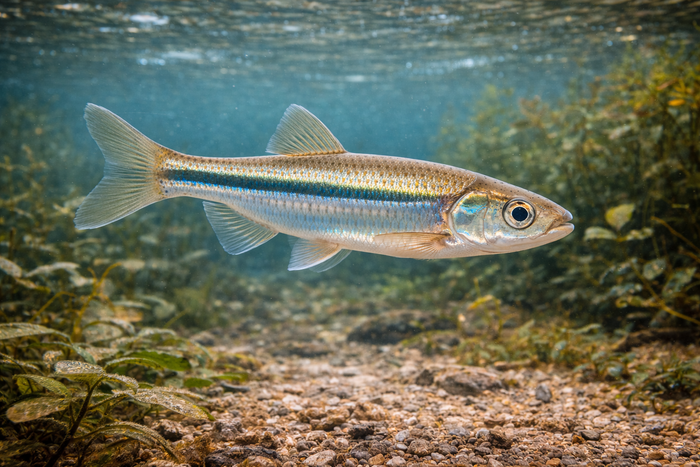
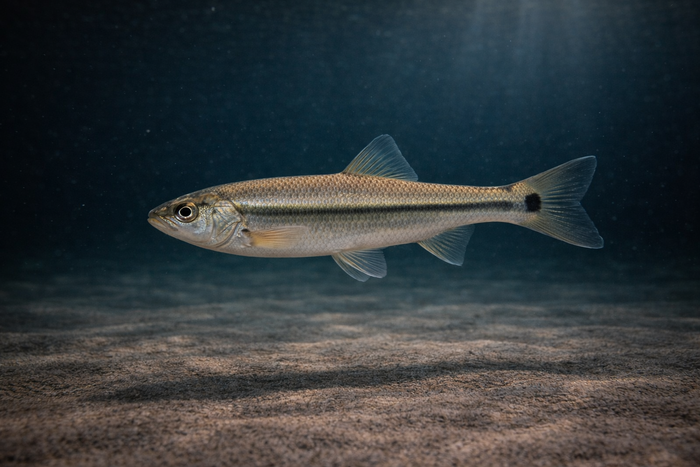
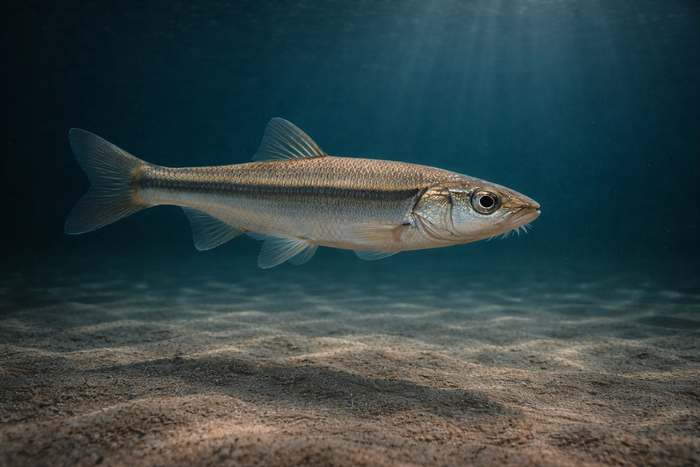
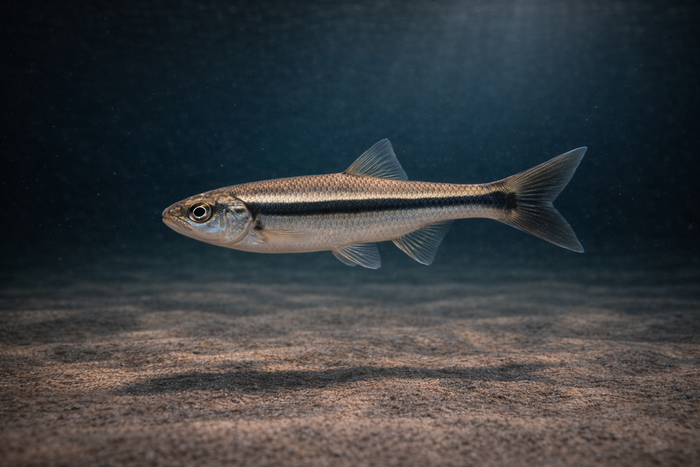
The Bridle Shiner is a small but striking freshwater fish that often slips under the radar. With its sleek, silvery body and distinctive dark lateral stripe framed by a lighter band—resembling a bridle on a horse—it’s a species that demands a second look. Native to parts of eastern North America, this fish plays a subtle yet vital role in freshwater ecosystems. If you’re diving into Bridle Shiner facts, prepare to discover a fish that’s more than just a pretty face in the stream.
What Makes the Bridle Shiner Unique?
Notropis bifrenatus stands out among minnows for its unmistakable coloration and pattern. The defining feature is the dark stripe running along the side of its body, bordered above and below by thin white lines. This “bridle” pattern is not just for show—it helps the fish blend into the dappled light of its habitat, providing camouflage from predators.
Beyond looks, the Bridle Shiner has a streamlined body built for quick, agile swimming in flowing waters. Unlike some minnows that prefer still ponds, this species thrives in gentle currents, making it an expert at navigating riffles and pools. Its diet is opportunistic, feeding on small invertebrates and algae, which keeps the aquatic food web humming.
Habitat & Global Range
The Bridle Shiner’s habitat preferences are specific but not overly restrictive. It favors clear, cool streams and small rivers with moderate flow and abundant aquatic vegetation. These environments provide both shelter and feeding grounds. The fish is sensitive to turbidity and pollution, which means it’s often found in relatively pristine waters.
Geographically, the Bridle Shiner is native to eastern North America. Its range stretches from parts of southern Canada down through the northeastern and mid-Atlantic United States. It’s commonly found in the Great Lakes basin, the St. Lawrence River system, and tributaries of the Ohio and Mississippi Rivers. This distribution reflects its preference for temperate freshwater systems with good water quality.
Behavior & Temperament
Bridle Shiners are schooling fish, and their social behavior is a key survival strategy. Moving in tight groups reduces individual risk from predators and increases foraging efficiency. They are active during daylight hours, darting among submerged plants and rocks to find food.
Despite their small size, Bridle Shiners are bold swimmers. They don’t shy away from currents and can hold their position in flowing water with ease. Their temperament is generally peaceful, making them compatible with other small, non-aggressive fish species in their habitat.
During spawning season, males become more territorial and display brighter coloration to attract females. They prefer to deposit eggs on submerged vegetation or gravel beds where the current can provide oxygenation without washing the eggs away.
Ecological Importance
Don’t underestimate the Bridle Shiner’s role in freshwater ecosystems. As both predator and prey, it occupies a crucial middle position in the food chain. By feeding on aquatic insects and algae, it helps control invertebrate populations and contributes to nutrient cycling.
At the same time, Bridle Shiners are a favored food source for larger fish, birds, and other wildlife. Their presence supports biodiversity and maintains the balance of aquatic communities. Because they require clean, well-oxygenated water, their populations can also serve as indicators of ecosystem health.
Conservation & Environmental Pressures
The Bridle Shiner faces several environmental challenges that threaten its populations. Habitat degradation from urbanization, agriculture, and industrial pollution has reduced the availability of suitable streams. Increased sedimentation and nutrient runoff cloud waters and disrupt the delicate balance of aquatic vegetation.
Invasive species also pose a threat by competing for food and habitat or directly preying on Bridle Shiners. Climate change adds another layer of stress, altering water temperatures and flow patterns in ways that may not favor this species.
Conservation efforts focus on protecting and restoring stream habitats, improving water quality, and monitoring populations to detect declines early. Maintaining riparian buffers and controlling pollution sources are critical steps to ensure the Bridle Shiner’s survival.
The FishyAF Take
The Bridle Shiner may not be the flashiest fish in the water, but it’s a standout example of how small species can have outsized ecological importance. Its distinctive markings and preference for clean, flowing streams make it a natural indicator of freshwater health. If you care about the future of North America’s waterways, paying attention to Bridle Shiner habitat and populations is a smart move.
This fish reminds us that conservation isn’t just about the big, charismatic species. Sometimes, it’s the little guys with the bold stripes that tell the most important stories. Keep an eye out for the Bridle Shiner next time you’re near a clear stream—it’s a subtle but powerful symbol of aquatic resilience.