Swallowtail Shiner (Notropis procne): A Bold, Memorable Hook Line
The Swallowtail Shiner is not your average minnow. With its striking tail pattern and fearless schooling behavior, this little fish punches well above its weight in the freshwater world.
The Swallowtail Shiner, scientifically known as Notropis procne, is a small but visually captivating member of the Cyprinidae family. Native to the freshwater systems of the southeastern United States, it’s a species that combines subtle beauty with a tenacious spirit. Often overlooked in favor of flashier game fish, the Swallowtail Shiner deserves a closer look for anglers, biologists, and aquarium enthusiasts alike. This guide dives into the essential Swallowtail Shiner facts, exploring what sets it apart, where it thrives, and why it matters in its ecosystem.
What Makes the Swallowtail Shiner Unique?
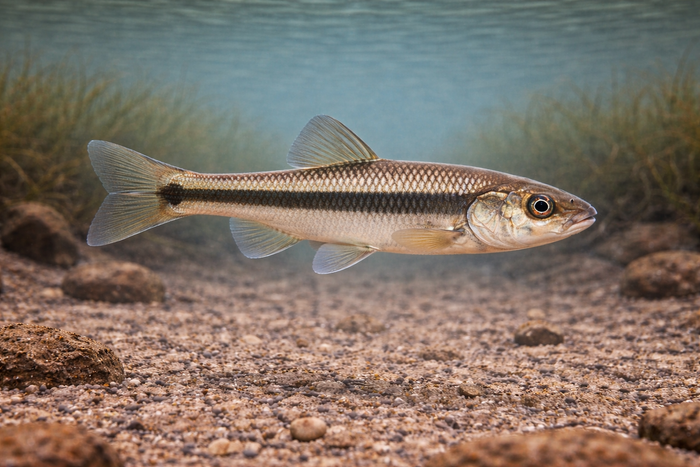
The Swallowtail Shiner stands out primarily because of its distinctive tail fin, which features a bold, swallowtail-shaped black band that gives the species its name. This striking pattern isn’t just for show—it plays a role in schooling cohesion and predator confusion. Unlike many minnows that blend into the background, the Swallowtail Shiner’s tail acts like a visual signature in the water.
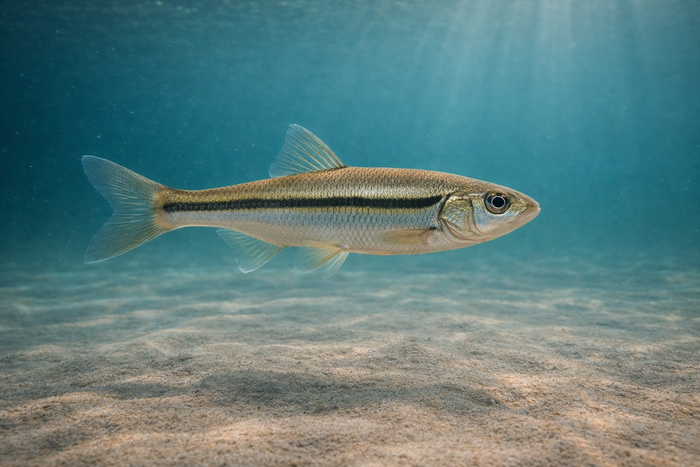
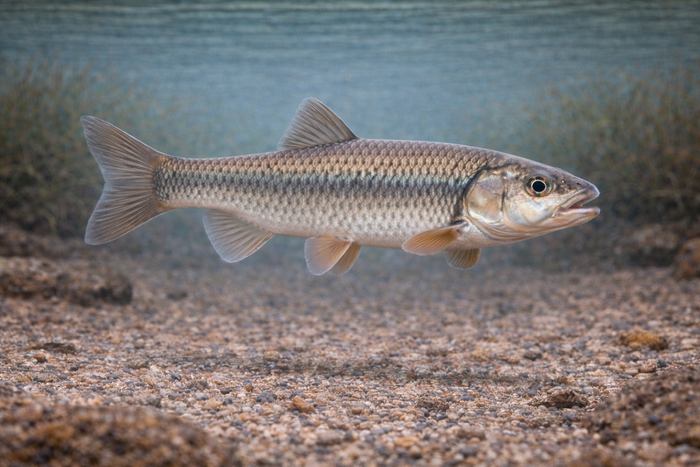
Beyond its tail, the fish boasts a sleek, silvery body with a subtle iridescence and a lateral stripe that runs from head to tail. This combination of markings makes it easy to identify among other Notropis species. Behaviorally, it’s known for its active, schooling nature and quick darting movements, which help it evade predators and efficiently forage for food.
Habitat & Global Range
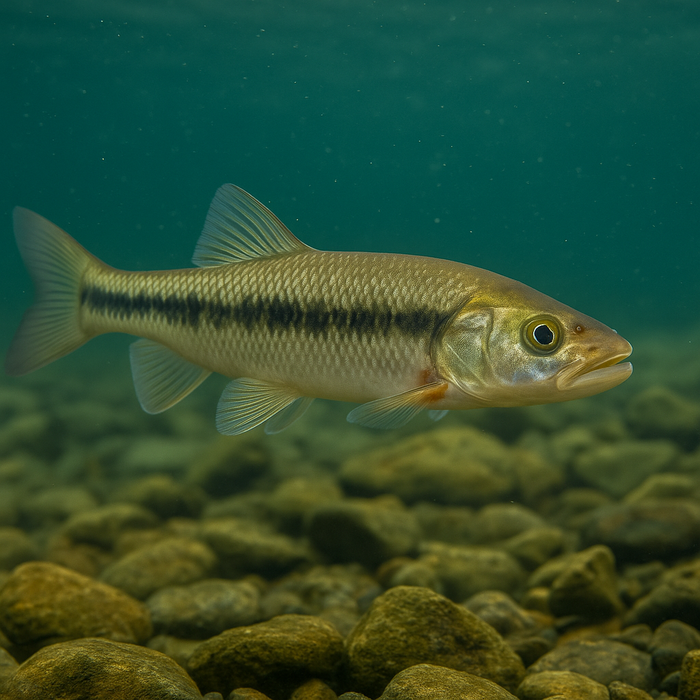
Swallowtail Shiner habitat is primarily freshwater streams and rivers with clear, moderate to fast-flowing water. They prefer substrates of sand, gravel, or small rocks where they can find ample insect larvae, algae, and detritus to feed on. These fish are native to the southeastern United States, with populations concentrated in river systems like the Savannah, Altamaha, and Ogeechee basins.
Their range extends from Virginia down through Georgia and into northern Florida, favoring temperate climates with seasonal water level fluctuations. The species thrives in well-oxygenated waters and tends to avoid heavily silted or polluted environments. This preference makes the Swallowtail Shiner a reliable indicator of stream health in its native range.
Behavior & Temperament
Swallowtail Shiners are schooling fish, often found in tight groups that move with synchronized precision. This schooling behavior is a survival strategy, reducing individual risk from predators and increasing foraging efficiency. They are active during daylight hours, feeding primarily on small invertebrates, algae, and organic matter.
Temperament-wise, these fish are neither aggressive nor territorial. They coexist peacefully with other small fish species, making them a good candidate for community tanks in captivity. Their quick, darting swimming style requires ample space and clean water to thrive in an aquarium setting.
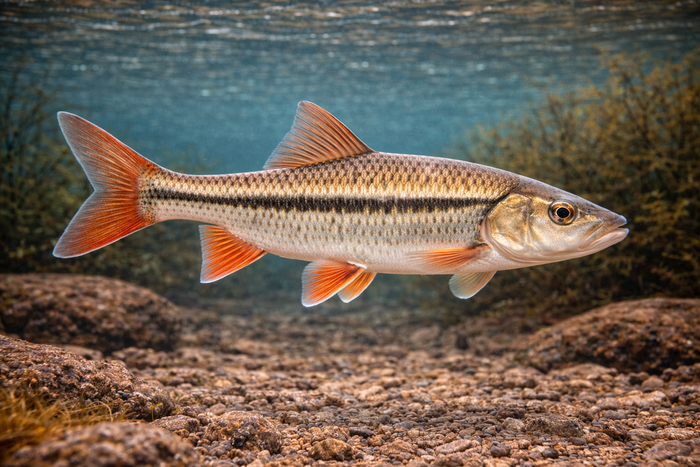
During spawning season, males develop brighter coloration and engage in subtle displays to attract females. Spawning typically occurs in shallow, gravelly areas where eggs can adhere to the substrate. The species does not exhibit parental care; eggs and fry are left to fend for themselves.
Ecological Importance
The Swallowtail Shiner plays a critical role in freshwater ecosystems. As both predator and prey, it occupies a mid-level position in the aquatic food web. By feeding on insect larvae and algae, it helps control populations of aquatic invertebrates and contributes to nutrient cycling.
In turn, it serves as a vital food source for larger predatory fish, birds, and amphibians. Its schooling behavior provides a concentrated energy source for these predators, supporting biodiversity in its native habitats.
Moreover, because of its sensitivity to water quality, the Swallowtail Shiner acts as a biological indicator. A healthy population signals a well-functioning, clean aquatic environment, while declines can warn of pollution or habitat degradation.
Conservation & Environmental Pressures
While the Swallowtail Shiner is not currently listed as endangered, it faces several environmental pressures that could impact its populations. Habitat degradation from urbanization, agriculture, and dam construction disrupts the clear, flowing waters it depends on. Increased sedimentation and pollution reduce water quality, making it harder for the species to survive.
Climate change poses additional risks by altering stream flow patterns and water temperatures, potentially shrinking suitable habitat. Invasive species also threaten native fish communities by competing for resources or introducing diseases.
Conservation efforts focus on protecting and restoring stream habitats, maintaining water quality, and monitoring populations to detect early signs of decline. Preserving the Swallowtail Shiner’s habitat benefits not only this species but the entire freshwater community it supports.
The FishyAF Take
The Swallowtail Shiner is a small fish with a big role. Its bold tail pattern and schooling behavior make it a standout in the crowded world of minnows. More than just a pretty face, it’s a key player in freshwater ecosystems, a reliable water quality indicator, and a species worth watching as environmental pressures mount.
For anglers and aquarium hobbyists, the Swallowtail Shiner offers a glimpse into the complexity of stream life beyond the usual suspects. For conservationists, it’s a reminder that even the smallest fish can signal the health of entire watersheds.
If you’re serious about understanding freshwater biodiversity or just want to add a splash of natural elegance to your tank, the Swallowtail Shiner is a species that demands respect. Keep an eye on its habitat, because the story of this fish is really the story of our rivers.