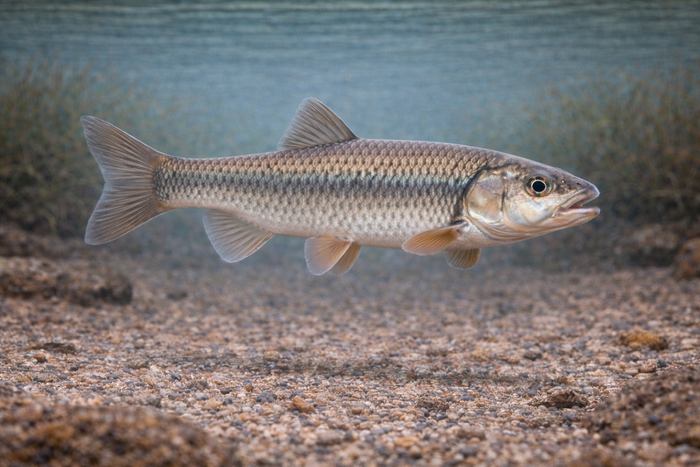
Striped Shiner (Luxilus chrysocephalus): The Flashy Stream Dweller That Commands Attention
The Striped Shiner is not your average minnow. Sporting bold, iridescent stripes and a confident attitude, this freshwater fish turns heads in North American streams. Known scientifically as Luxilus chrysocephalus, it’s a species that blends striking aesthetics with fascinating behavior. Whether you’re a casual angler, a freshwater enthusiast, or someone diving into Striped Shiner facts, this guide breaks down everything you need to know about this charismatic fish.
What Makes the Striped Shiner Unique?
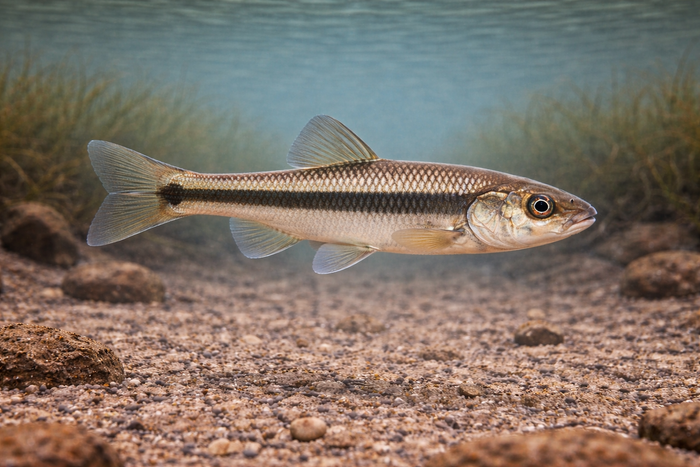
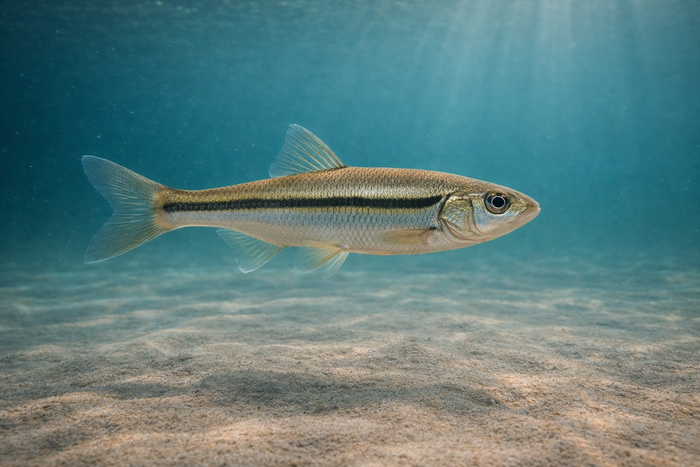
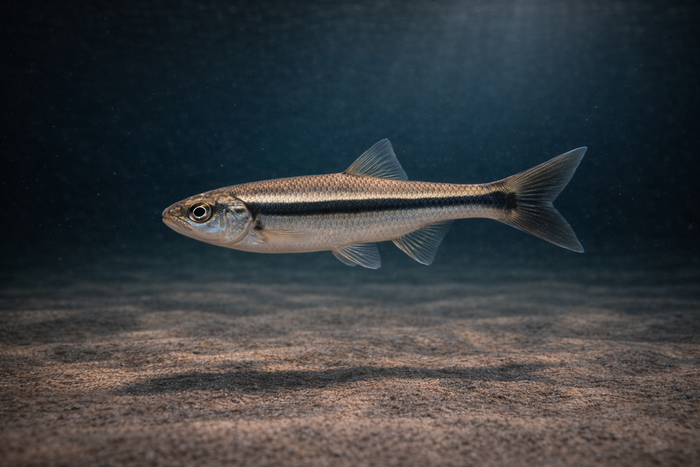
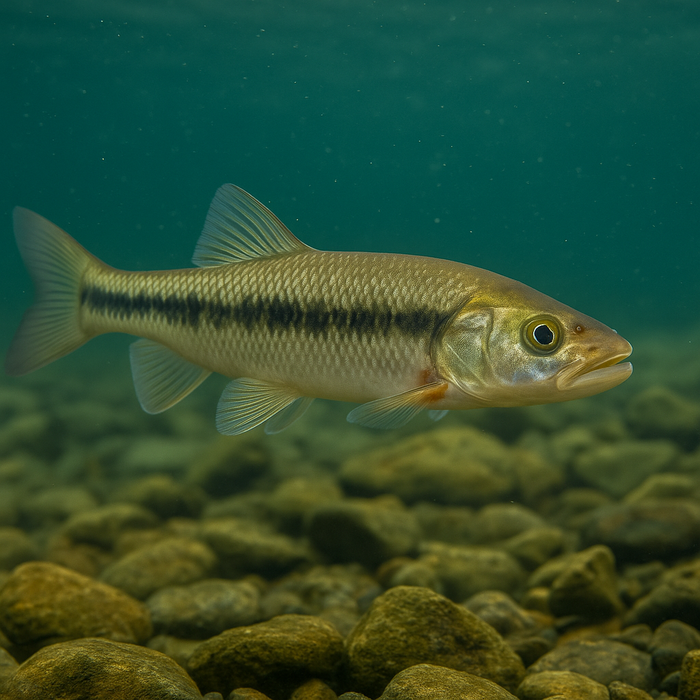
The Striped Shiner stands out with its vivid longitudinal stripes that shimmer in sunlight, making it one of the most visually distinctive minnows in its range. Unlike many of its drab relatives, it boasts a golden-yellow head during breeding season, a feature that’s as flashy as it sounds. This species also exhibits sexual dimorphism, with males developing tubercles—small, bumpy projections—on their heads and bodies during spawning. These aren’t just for show; they play a role in mating rituals and territorial disputes.
Another unique trait is its adaptability. The Striped Shiner thrives in a variety of stream conditions, from clear, fast-flowing riffles to slower pools. Its diet is opportunistic, feeding on aquatic insects, algae, and detritus, showcasing a flexible palate that helps it survive in diverse environments.
Habitat & Global Range
The Striped Shiner is a native of the central and eastern United States, primarily found in the Mississippi River basin and tributaries stretching from the Great Lakes down to the Gulf of Mexico. Its preferred Striped Shiner habitat includes clear, cool streams with gravel or rocky substrates. These environments provide ample cover and breeding grounds, as well as a steady supply of food.
While it’s not a global traveler, the Striped Shiner’s range is extensive within North America. It’s often found in small to medium-sized streams where water quality remains high. This fish is sensitive to pollution and habitat degradation, making pristine waterways essential for its survival.
Behavior & Temperament
The Striped Shiner is a social fish, often schooling in tight groups that dart swiftly through riffles and pools. This schooling behavior provides safety in numbers and increases foraging efficiency. During the breeding season, males become territorial and aggressive, defending prime spawning spots on gravel beds. Their tubercles come into play here, used in both displays and physical contests.
Despite their bold colors and breeding bravado, Striped Shiners are generally peaceful outside of mating season. They coexist with other small fish species without much fuss. Their agility and speed make them elusive targets for predators, and their schooling behavior adds another layer of defense.
Ecological Importance
Striped Shiners play a crucial role in freshwater ecosystems. As mid-level consumers, they help regulate insect populations, keeping aquatic invertebrate communities in check. Their feeding habits contribute to nutrient cycling, breaking down organic matter and facilitating energy flow through the food web.
They also serve as prey for larger fish, birds, and other wildlife, making them a vital link in the aquatic food chain. The presence of healthy Striped Shiner populations often indicates good water quality and a balanced ecosystem, making them a natural barometer for stream health.
Conservation & Environmental Pressures
While not currently listed as endangered, the Striped Shiner faces several environmental pressures. Habitat loss due to urbanization, agriculture, and dam construction disrupts their spawning grounds and reduces water quality. Sedimentation and pollution from runoff can cloud streams, suffocating eggs and reducing food availability.
Climate change adds another layer of threat by altering stream temperatures and flow patterns, potentially pushing Striped Shiner populations out of their comfort zones. Conservation efforts focus on protecting and restoring stream habitats, maintaining water quality, and monitoring populations to ensure these flashy fish continue to thrive.
The FishyAF Take
The Striped Shiner is a prime example of how even small, often overlooked fish can pack a punch in terms of ecological importance and visual appeal. Its bold stripes and breeding colors make it a standout in freshwater streams, while its adaptable behavior and role in the ecosystem underscore its resilience.
For anglers and biologists alike, the Striped Shiner offers a glimpse into the complexity of stream life. It’s a reminder that biodiversity isn’t just about the big, flashy species but also the smaller players that keep ecosystems ticking. Keep an eye out for this shimmering swimmer next time you’re near a clear stream—it’s a fish that demands respect and attention.