Creek Chub (Semotilus atromaculatus): The Small Fish with a Big Attitude in North American Streams
The Creek Chub is not your average minnow. This scrappy freshwater fish commands attention with its bold markings and aggressive feeding style. Found throughout much of eastern North America, the Creek Chub is a staple of small streams and rivers, often overlooked but never insignificant. If you want to understand the backbone of many freshwater ecosystems, start here. Creek Chub facts reveal a species that’s both adaptable and influential, making it a fascinating subject for anglers, ecologists, and anyone curious about stream life.
What Makes the Creek Chub Unique?
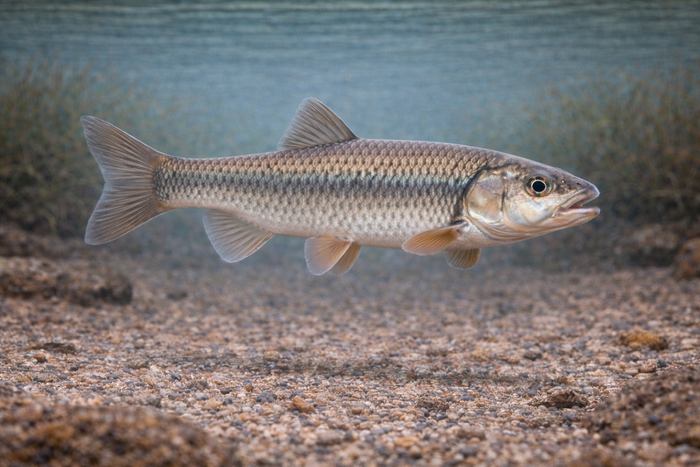
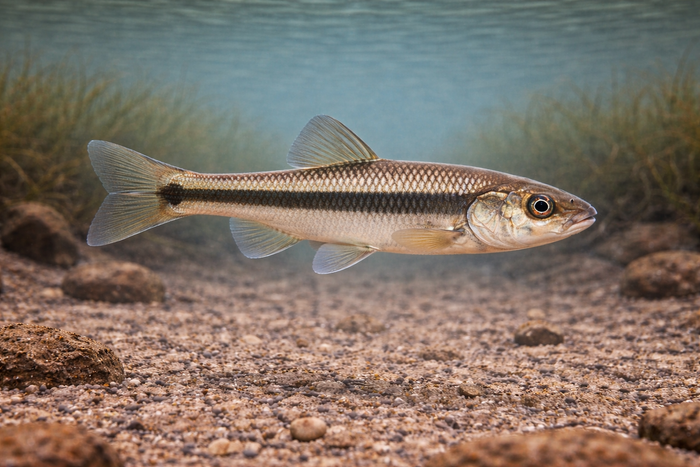
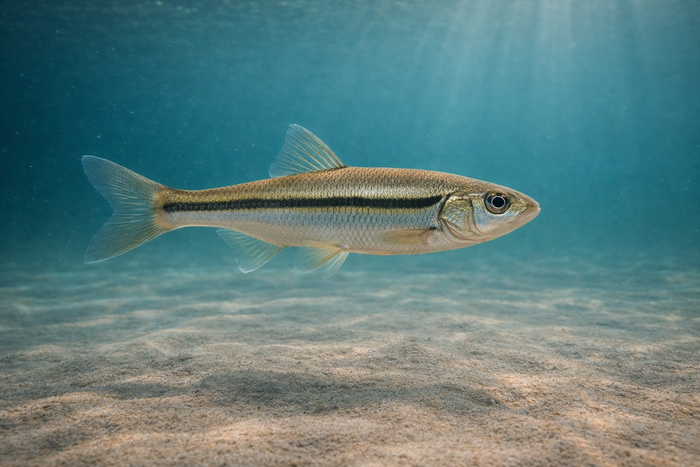
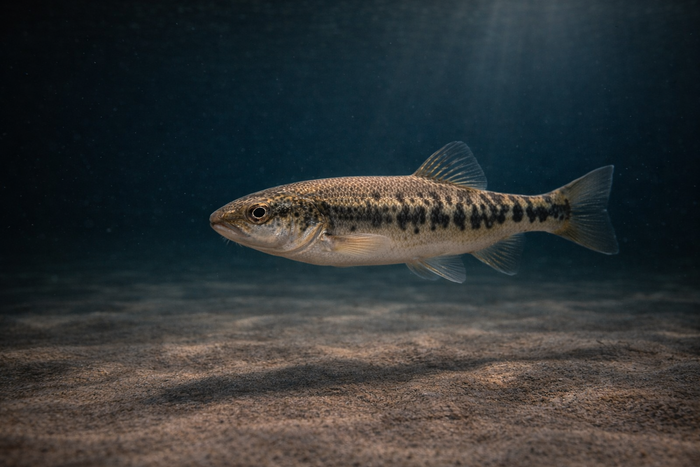
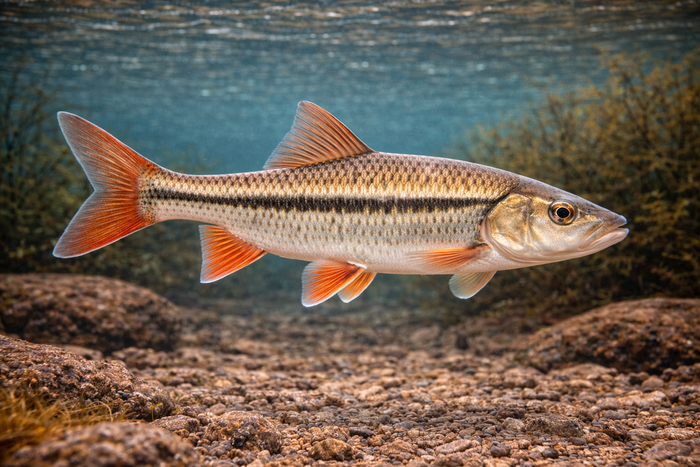
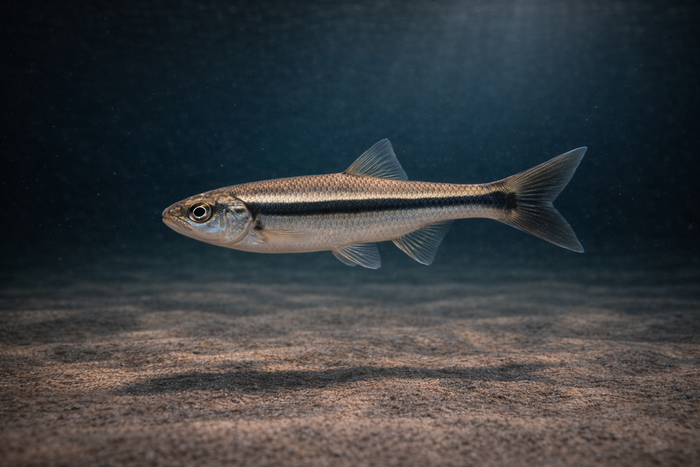
The Creek Chub stands out for several reasons. First, its distinctive black spot on the dorsal fin and the dark lateral line give it a memorable look. But it’s not just about appearance. This fish is a master of opportunism. It feeds on a wide variety of prey, from insects to small fish, and even plant matter. Its mouth is equipped with a small barbel—a whisker-like appendage—that helps it detect food in murky waters. This sensory edge is rare among minnows.
Creek Chubs are also known for their bold behavior. They’re territorial and will defend their space aggressively, especially during spawning season. Males build gravel nests in riffles, often working together in loose colonies. This cooperative nest-building is unusual for fish of their size and adds a layer of social complexity to their lives.
Habitat & Global Range
The Creek Chub’s habitat is as diverse as its diet. It thrives in clear, cool streams with gravel or rocky bottoms but can also tolerate slower-moving waters and even some murkier conditions. Its preference for riffles and pools in small to medium-sized streams defines much of its Creek Chub habitat. This fish is a true generalist, able to adapt to a range of freshwater environments.
Geographically, the Creek Chub is native to eastern North America, from the Great Lakes region down through the Mississippi River basin and into parts of the southeastern United States. It’s one of the most widespread minnows in this range, a testament to its adaptability. Creek Chub habitat overlaps with many other species, making it a key player in freshwater community dynamics.
Behavior & Temperament
Creek Chubs are feisty little fish. They exhibit bold, sometimes aggressive behavior, especially when it comes to feeding and breeding. They are opportunistic feeders, snapping up aquatic insects, small crustaceans, and even smaller fish or fish eggs. This aggressive feeding strategy helps them dominate their niche.
During spawning, males become particularly territorial. They clear out gravel nests in shallow riffles and vigorously defend them from rivals and potential threats. The males’ bright breeding colors—orange or red fins and a darkened head—signal their readiness to mate and intimidate competitors.
Socially, Creek Chubs can be both solitary and gregarious. Outside of breeding, they often form loose schools, which helps reduce predation risk. Their bold temperament means they are not easily intimidated by larger fish or human presence, making them a common catch for anglers targeting baitfish.
Ecological Importance
Don’t underestimate the Creek Chub’s role in freshwater ecosystems. It’s a vital link in the food web, serving as both predator and prey. By feeding on insects and small invertebrates, Creek Chubs help control populations that could otherwise explode and disrupt the balance. They also consume algae and plant material, contributing to nutrient cycling.
At the same time, Creek Chubs are a favorite food source for larger predatory fish like bass and pike, as well as birds and other wildlife. Their abundance and widespread distribution make them a reliable energy source that supports higher trophic levels.
Their nest-building behavior also influences stream habitats. By moving gravel and creating nests, they help aerate the substrate and maintain habitat complexity, which benefits other aquatic organisms.
Conservation & Environmental Pressures
Currently, the Creek Chub is not considered threatened or endangered. Its adaptability and broad range provide a buffer against many environmental pressures. However, like many freshwater species, it faces challenges from habitat degradation, pollution, and waterway modifications.
Urbanization and agriculture can increase sedimentation and nutrient runoff, which degrade Creek Chub habitat by smothering spawning grounds and reducing water quality. Dams and channelization disrupt natural flow regimes, affecting the riffles and pools these fish depend on.
Conservation efforts that focus on maintaining clean, free-flowing streams with intact riparian zones benefit Creek Chubs and countless other freshwater species. Monitoring Creek Chub populations can also serve as an indicator of stream health, given their sensitivity to certain environmental changes despite their hardiness.
The FishyAF Take
The Creek Chub may not be the flashiest fish in the water, but it’s a powerhouse in freshwater ecosystems. Its bold behavior, adaptability, and ecological role make it a species worth paying attention to. Whether you’re an angler looking for reliable bait or a naturalist interested in stream dynamics, understanding Creek Chub facts and habitat is essential.
This fish embodies resilience and versatility. It thrives where many others falter, shaping the aquatic communities around it. Next time you’re by a stream, take a closer look at the Creek Chub. It’s a small fish with a big story, and it’s quietly running the show beneath the surface.