Speckled Dace (Rhinichthys osculus): Small Fish, Big Personality, and a Whole Lot of Grit
The Speckled Dace is not your average minnow. This unassuming freshwater fish packs a punch in terms of adaptability and ecological significance. Rhinichthys osculus, commonly known as the Speckled Dace, is a staple of North American streams and rivers, often overlooked but impossible to ignore once you understand its role. If you’re diving into Speckled Dace facts, get ready to meet a species that’s as tough as it is widespread.
What Makes the Speckled Dace Unique?
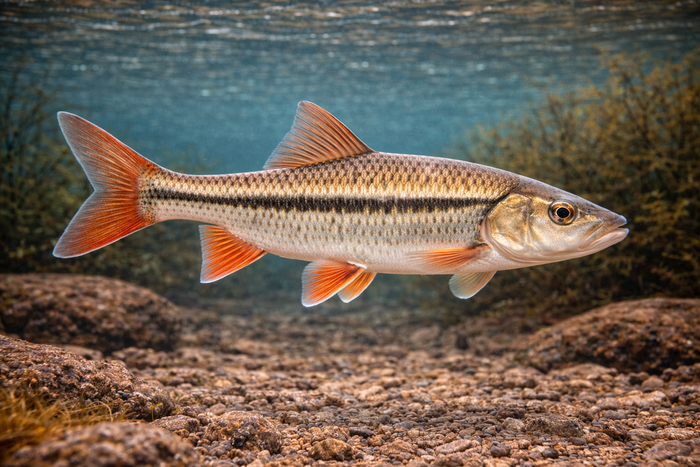
Speckled Dace stands out for its resilience and versatility. Unlike flashy game fish, it sports a modest, speckled body that blends perfectly with gravelly stream beds. But don’t mistake subtlety for weakness. This fish thrives in a variety of freshwater environments, from cold mountain streams to warmer lowland rivers. Its ability to tolerate a wide range of water conditions is impressive, making it a key player in many aquatic ecosystems.
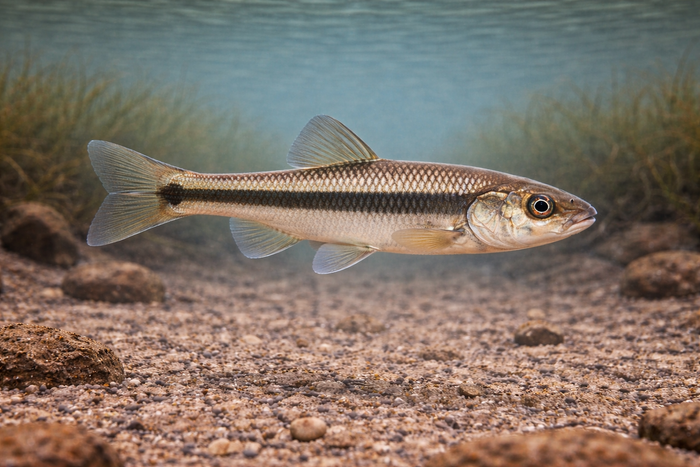
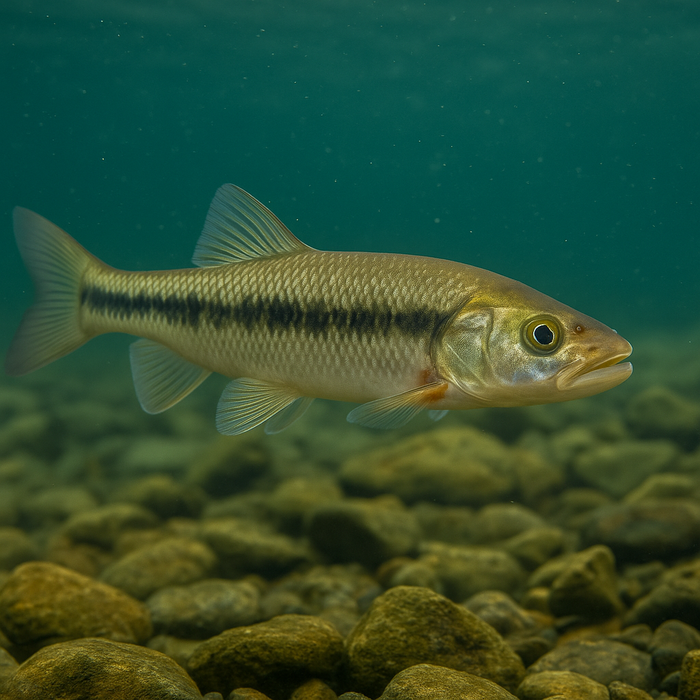
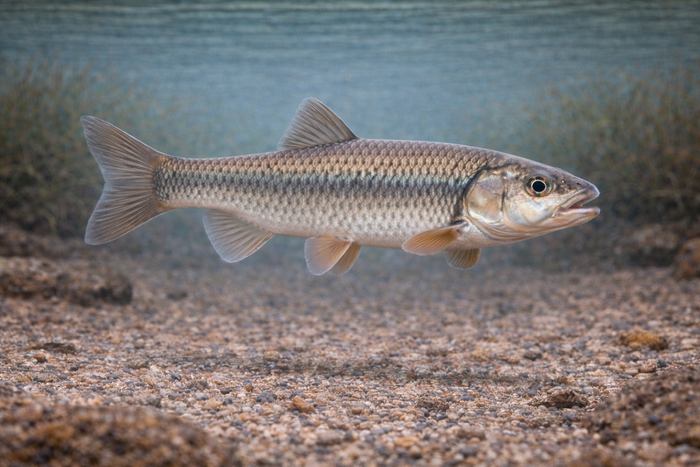
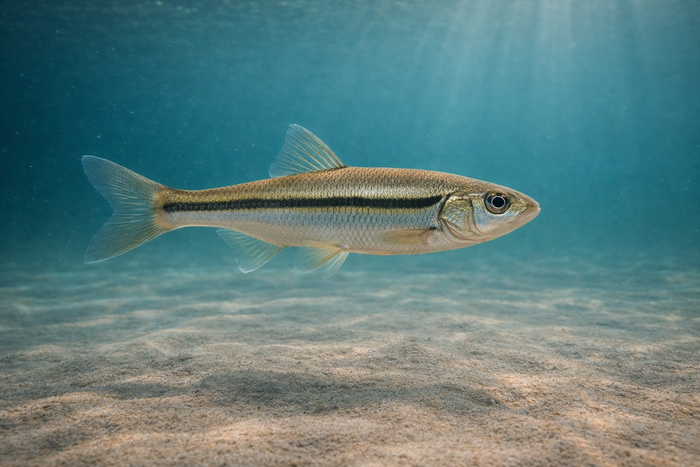
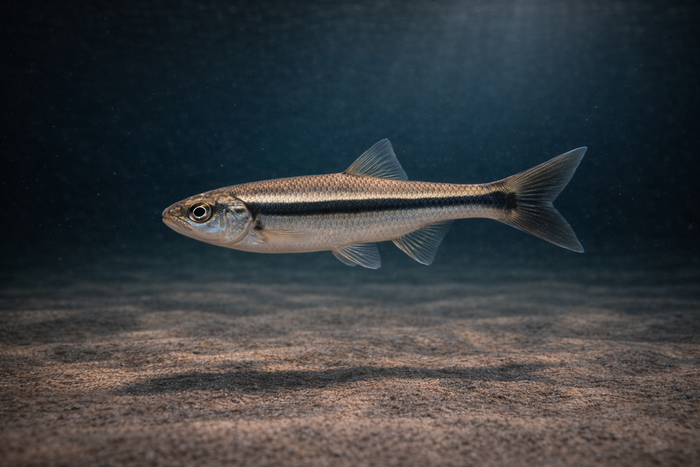
Morphologically, the Speckled Dace has a streamlined body with a slightly flattened head and a small, downturned mouth adapted for bottom feeding. Its speckled pattern isn’t just for show; it provides excellent camouflage against predators. The species also exhibits some regional variation in coloration and size, reflecting its broad distribution and adaptability.
Habitat & Global Range
When it comes to Speckled Dace habitat, think of clear, flowing waters with gravel or sandy bottoms. These fish prefer cool to moderately warm streams and rivers across western North America. Their range extends from British Columbia down through the western United States, including California, Nevada, Utah, and parts of Mexico.
Speckled Dace are habitat generalists but show a preference for riffles and runs where oxygen levels are high and food is abundant. They often occupy shallow waters but can be found in deeper pools during certain seasons. Their presence is a good indicator of healthy stream ecosystems, as they require clean, well-oxygenated water to thrive.
Behavior & Temperament
Speckled Dace are bottom feeders with a diet primarily consisting of algae, aquatic insects, and detritus. Their feeding behavior helps control algae growth and recycle nutrients, making them essential ecosystem engineers. They are active during the day, darting around rocks and gravel in search of food.
Socially, Speckled Dace are neither aggressive nor overly shy. They tend to form loose schools, especially during spawning season, which occurs in spring and early summer. Males develop brighter colors during this time to attract females. Spawning involves depositing eggs in gravel nests, where the eggs adhere to the substrate until hatching.
Despite their small size, Speckled Dace have a bold streak. They’re quick to dart away from threats but will hold their ground when necessary, especially in defending their spawning sites. Their temperament makes them fascinating subjects for behavioral studies and a reliable species for monitoring stream health.
Ecological Importance
Speckled Dace are more than just small fish swimming around; they are vital cogs in freshwater ecosystems. By feeding on algae and aquatic insects, they help maintain a balanced food web. Their role as prey is equally important, supporting larger fish, birds, and other wildlife.
Their presence influences nutrient cycling and energy flow in streams. The Speckled Dace’s bottom-feeding habits stir up sediments, promoting oxygenation and nutrient redistribution. This activity supports the growth of aquatic plants and microorganisms, which in turn sustain other aquatic life.
In short, Speckled Dace contribute to the overall health and stability of freshwater habitats. Their sensitivity to environmental changes also makes them excellent bioindicators, signaling shifts in water quality and ecosystem integrity.
Conservation & Environmental Pressures
Despite their adaptability, Speckled Dace face mounting challenges. Habitat degradation from urban development, agriculture, and water diversion threatens their populations. Pollution and sedimentation reduce water quality, directly impacting their survival.
Climate change adds another layer of pressure by altering stream temperatures and flow patterns. Droughts and increased water extraction can shrink suitable habitats, forcing Speckled Dace into isolated pockets where genetic diversity suffers.
Conservation efforts focus on protecting and restoring stream habitats, improving water quality, and maintaining natural flow regimes. Monitoring Speckled Dace populations provides valuable data for managing freshwater resources. Their resilience is a strength, but it’s no excuse for complacency—these fish need healthy ecosystems to keep doing their job.
The FishyAF Take
The Speckled Dace might not be the flashiest fish in the river, but it’s a powerhouse of adaptability and ecological importance. This species embodies what it means to be a survivor in the freshwater world—flexible, resourceful, and quietly influential. For anglers, conservationists, or anyone interested in freshwater biodiversity, understanding Speckled Dace facts is a gateway to appreciating the complexity of stream ecosystems.
If you want a fish that tells you a lot about the health of your local waters without demanding the spotlight, the Speckled Dace is your go-to. It’s a reminder that sometimes the smallest players have the biggest roles. Keep an eye out for this speckled sentinel next time you’re near a stream—it’s working hard, even if it’s flying under the radar.