Fallfish (Semotilus corporalis): The Freshwater Fighter You Didn’t See Coming
Meet the Fallfish, a freshwater powerhouse that’s as bold as its name suggests. Semotilus corporalis is not your average stream dweller. It’s a native North American species that commands attention with its size, strength, and unmistakable presence. Often overshadowed by flashier game fish, the Fallfish deserves a closer look for anglers and aquatic enthusiasts alike. This guide dives into Fallfish facts, their habitat, behavior, and why they matter in freshwater ecosystems.
What Makes the Fallfish Unique?
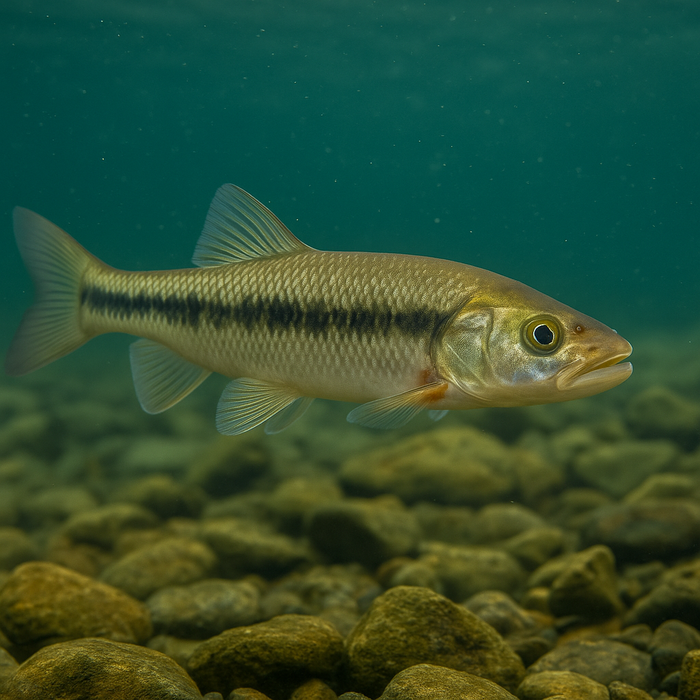
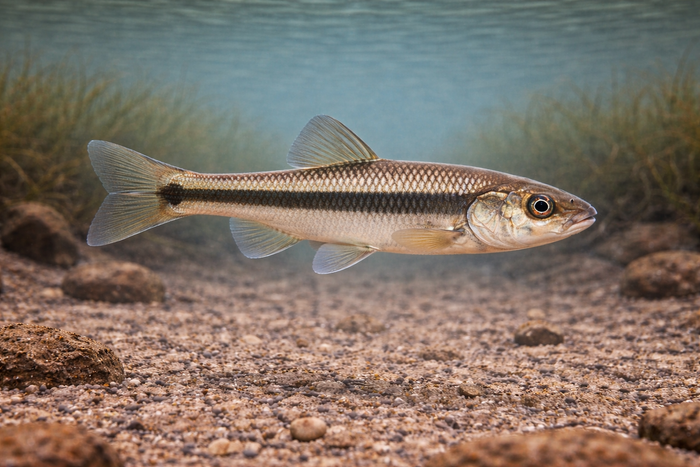
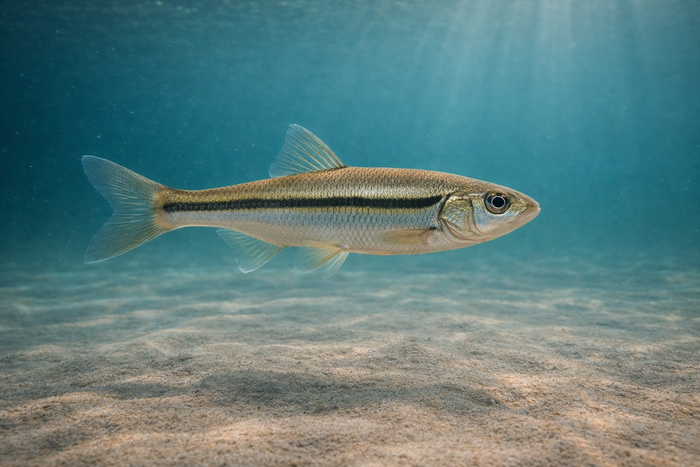
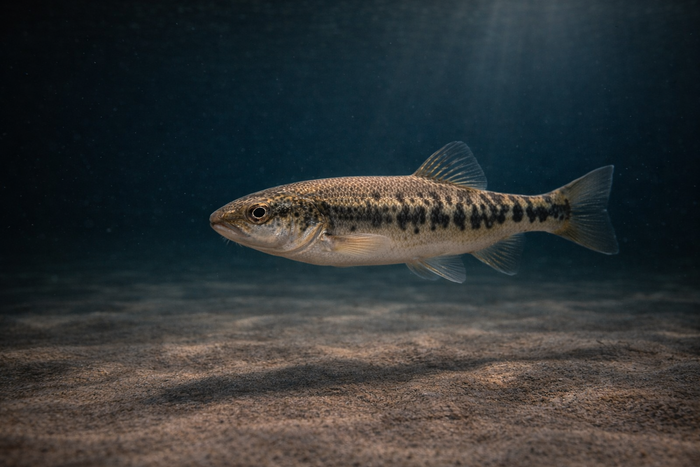
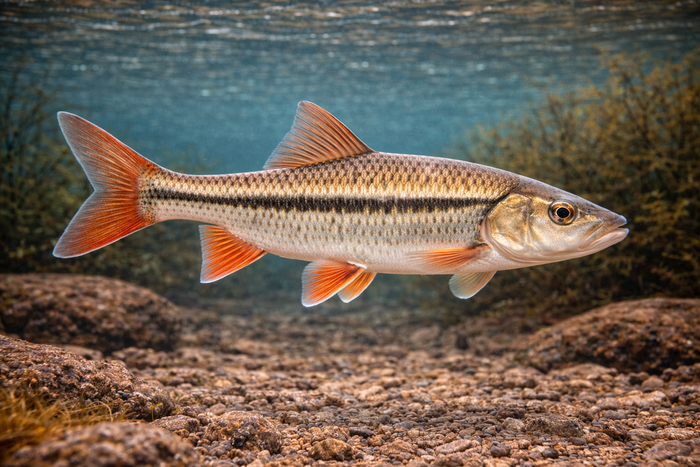
Fallfish stand out for their impressive size among minnows, reaching lengths that rival small bass. Their chunky, torpedo-shaped bodies are built for power, not speed finesse. Unlike many of their minnow cousins, Fallfish are aggressive feeders and fighters, making them a surprising catch on light tackle. Their coloration shifts seasonally, with males developing bright orange fins and a more pronounced body sheen during spawning season—a flashy display that’s rare among their family.
Another unique trait is their adaptability. Fallfish can thrive in a variety of freshwater environments, from clear, fast-flowing streams to slower, murkier rivers. They are opportunistic omnivores, feeding on a diet that includes insects, small fish, and plant material. This varied diet supports their robust growth and aggressive nature.
Habitat & Global Range
Fallfish are native to the eastern United States and parts of southeastern Canada. Their range extends from the Great Lakes region down through the Appalachian Mountains and into the mid-Atlantic states. They prefer cool, well-oxygenated waters but are remarkably tolerant of different conditions, which explains their broad distribution.
When discussing Fallfish habitat, think clear streams with gravel or rocky bottoms, but don’t be surprised to find them in slower rivers or even reservoirs. They often inhabit headwaters and mid-sized streams where they can exploit riffles and pools. Their presence is a good indicator of water quality, as they require relatively clean environments to thrive.
Behavior & Temperament
Fallfish are bold and territorial. They stake out prime spots in riffles and pools, aggressively defending these territories during spawning season. Males build and guard nests, often in gravel beds, where females deposit eggs. This parental investment is unusual for minnows and highlights their unique reproductive strategy.
Their temperament is feisty. When hooked, Fallfish put up a spirited fight, making them a favorite for anglers looking for action beyond the usual suspects. They are known to jump and thrash, sometimes even leaping out of the water to shake off hooks. This behavior, combined with their size, makes them a memorable catch.
Ecological Importance
Fallfish play a critical role in freshwater ecosystems. As omnivores, they help control insect populations and contribute to nutrient cycling by consuming plant material and detritus. Their nests provide habitat complexity that benefits other aquatic species, including invertebrates and smaller fish.
They also serve as prey for larger predatory fish, birds, and mammals, linking lower and higher trophic levels. Their presence supports biodiversity and ecosystem stability, making them a keystone species in many stream communities.
Conservation & Environmental Pressures
While Fallfish populations are generally stable, they face threats from habitat degradation, pollution, and competition with invasive species. Urbanization and agricultural runoff can reduce water quality, impacting their spawning grounds and food sources. Dams and water diversions alter flow regimes, disrupting their natural behaviors and habitat availability.
Conservation efforts focus on protecting stream habitats, maintaining water quality, and ensuring connectivity between populations. Monitoring Fallfish populations provides valuable data on freshwater ecosystem health, making them a useful bioindicator species.
The FishyAF Take
Fallfish are the underappreciated bruisers of North American streams. They don’t have the flashy reputation of bass or trout, but their size, fight, and ecological role make them a species worth knowing. For anglers, they offer a surprising challenge and a break from the usual targets. For conservationists, they’re a vital piece of the freshwater puzzle.
Understanding Fallfish facts and habitat is key to appreciating their place in the aquatic world. They remind us that sometimes, the most memorable fish aren’t the flashiest—they’re the ones that hold their ground and shape their environment with quiet strength. If you want to expand your freshwater fishing horizons or deepen your ecological knowledge, put the Fallfish on your radar. They’re bold, they’re tough, and they’re here to stay.