Bluntnose Minnow (Pimephales notatus): Small Fish, Big Attitude
The Bluntnose Minnow is often overlooked in the grand aquatic scheme, but this little fish packs a punch in both character and ecological role. Known scientifically as Pimephales notatus, it’s a staple of North American freshwater systems, quietly thriving in streams, rivers, and lakes. If you think minnows are just bait fodder, think again. The Bluntnose Minnow is a resilient survivor with a story worth knowing.
What Makes the Bluntnose Minnow Unique?
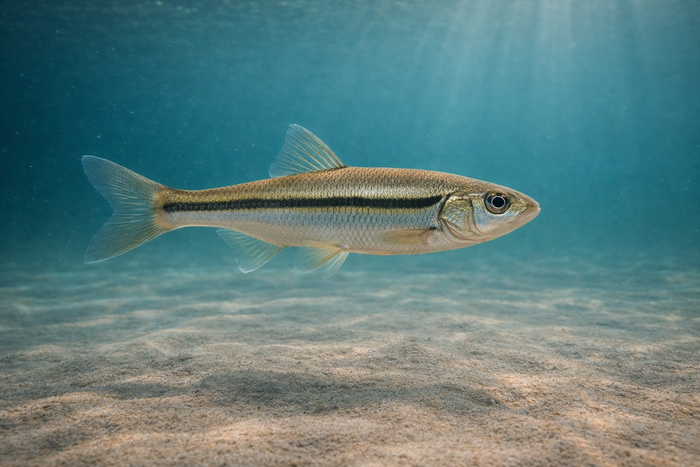
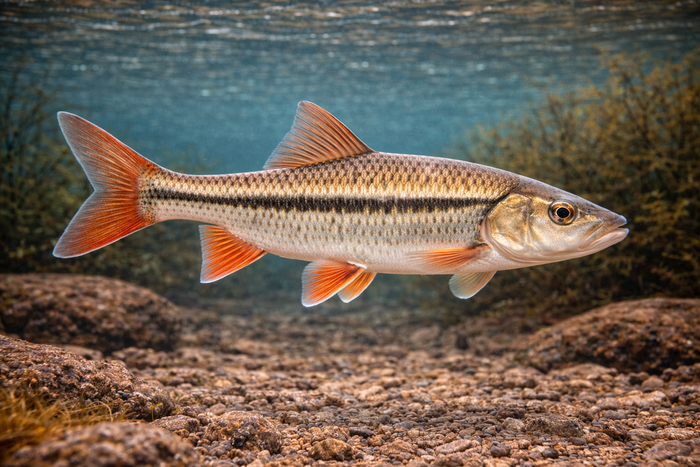
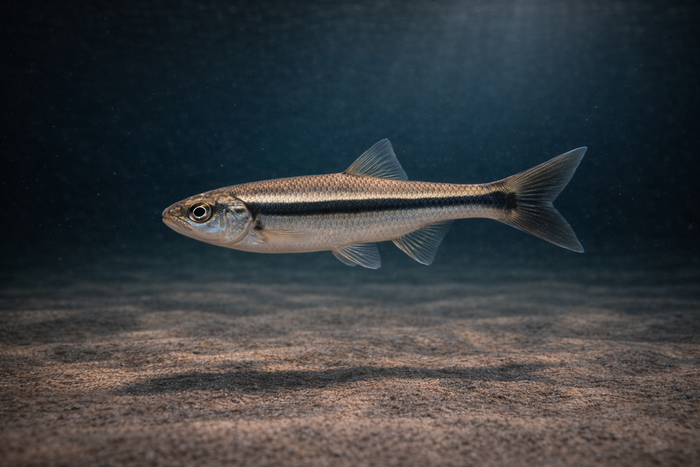
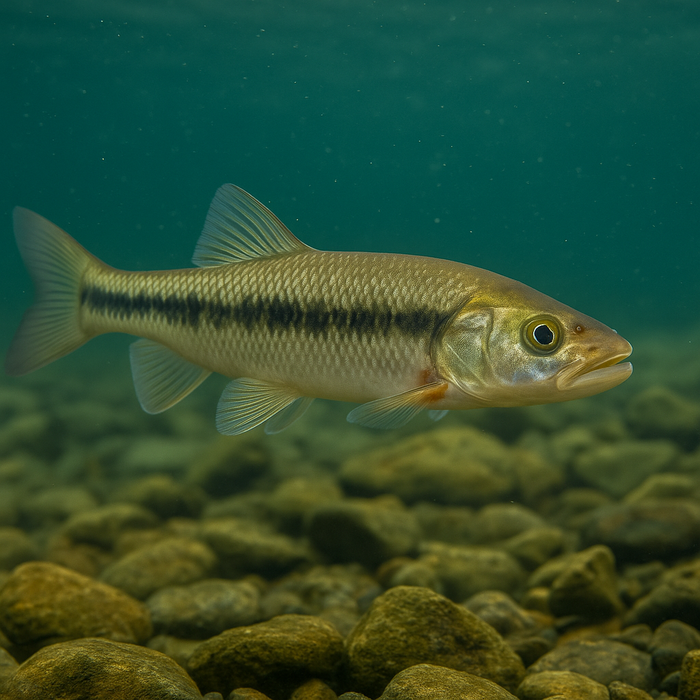
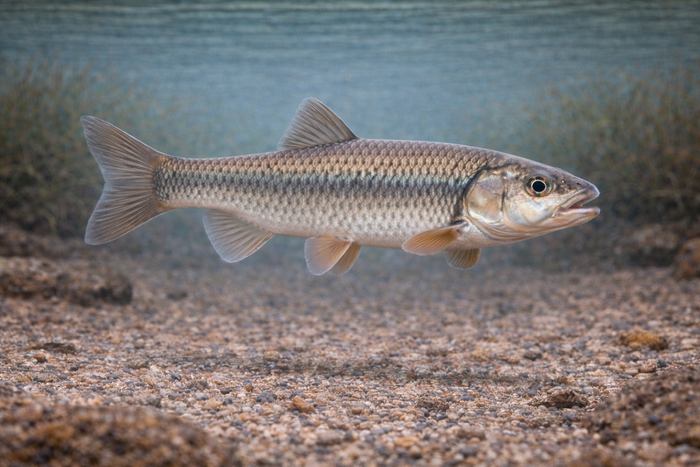
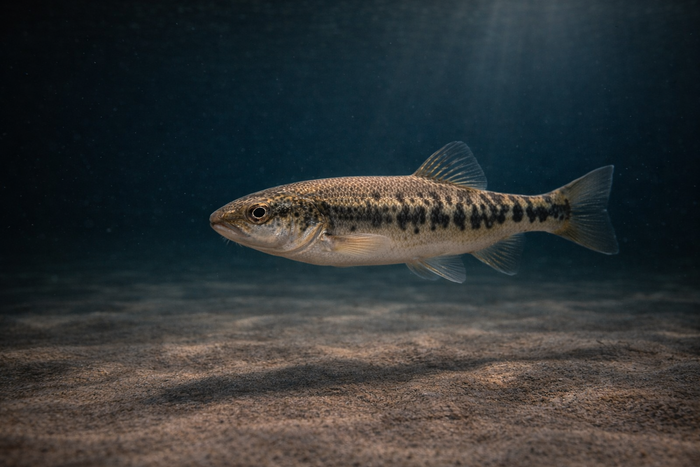
First off, the Bluntnose Minnow’s name is no accident. Its snub, rounded nose sets it apart from its more streamlined cousins. This blunt profile isn’t just for show—it’s part of an evolutionary design that suits its bottom-feeding lifestyle. Unlike flashy game fish, the Bluntnose Minnow sports a subtle olive-brown to gray coloration with a distinctive dark lateral stripe running from head to tail. This stripe is a signature identifier, a natural barcode in the murky waters it calls home.
Beyond looks, this species is a master of adaptation. It can tolerate a range of water conditions, from clear, cool streams to more turbid environments. Its diet is opportunistic, feeding on algae, detritus, and tiny invertebrates, making it a versatile player in the food web. The Bluntnose Minnow’s reproductive behavior is another highlight—males develop tubercles during breeding season and fiercely guard nests, showing a level of parental investment not always seen in small fish.
Habitat & Global Range
Bluntnose Minnow habitat spans a wide swath of North America, primarily in the central and eastern United States and parts of southern Canada. They favor freshwater environments with moderate current and clean substrates like gravel or sand. You’ll find them in small to medium-sized streams, rivers, and occasionally in the calmer edges of lakes.
This species thrives in waters that are well-oxygenated and not overly polluted, though it’s known for its resilience in less-than-ideal conditions. The Bluntnose Minnow’s ability to occupy diverse habitats makes it a reliable indicator of freshwater ecosystem health. If you’re fishing or sampling in North American waters, spotting this species is a good sign the habitat is functioning properly.
Behavior & Temperament
Don’t let their size fool you—Bluntnose Minnows are feisty little fish. They school tightly, a defensive tactic against predators, but they’re also territorial during breeding season. Males stake out nesting sites under rocks or debris and aggressively defend them from rivals. This territoriality is unusual for minnows and adds a layer of complexity to their social behavior.
Their feeding habits are bottom-oriented. They sift through sediment to find edible bits, which means they play a role in keeping the substrate clean and aerated. Their schooling behavior also helps confuse predators, making them a tough target despite their small stature.
Ecological Importance
Bluntnose Minnows are ecological linchpins in freshwater systems. They serve as a crucial food source for larger fish, birds, and amphibians. Without them, the energy flow in many aquatic food webs would falter. Their bottom-feeding habits help recycle nutrients and maintain substrate health, indirectly supporting plant and invertebrate communities.
Moreover, their sensitivity to water quality makes them excellent bioindicators. Changes in Bluntnose Minnow populations often signal shifts in environmental conditions, alerting scientists and conservationists to emerging problems before they escalate.
Conservation & Environmental Pressures
Despite their adaptability, Bluntnose Minnows face challenges. Habitat degradation from pollution, sedimentation, and water diversion threatens their populations in some regions. Urbanization and agricultural runoff introduce toxins and alter water chemistry, stressing these fish and reducing suitable habitat.
Invasive species also pose a risk by competing for resources or introducing diseases. Climate change adds another layer of uncertainty, potentially shifting water temperatures and flow patterns beyond the Minnow’s tolerance.
Currently, the Bluntnose Minnow is not listed as endangered or threatened, but monitoring is essential. Protecting their habitat ensures the health of entire freshwater ecosystems, making conservation efforts for this modest fish a smart investment.
The FishyAF Take
The Bluntnose Minnow may not be the flashiest fish in the water, but it’s a powerhouse of ecological significance and evolutionary savvy. Its blunt nose and subtle stripes might not win beauty contests, but its resilience, parental care, and role in freshwater food webs make it a species worth respecting. If you want to understand the health of North American streams and rivers, start with the Bluntnose Minnow. It’s a small fish with a big story, and ignoring it means missing a key chapter in aquatic ecology.
For anglers, biologists, and conservationists alike, Bluntnose Minnow facts and habitat details offer more than trivia—they provide insight into the delicate balance of freshwater life. Keep an eye out for this unassuming fish next time you’re near a stream. It’s quietly holding the ecosystem together, one blunt nose at a time.