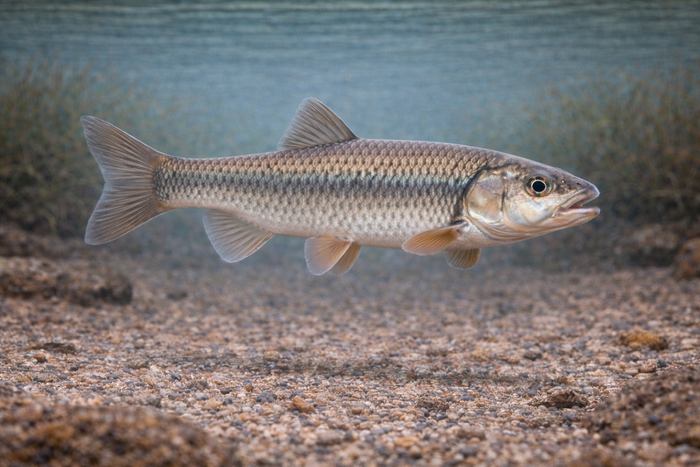
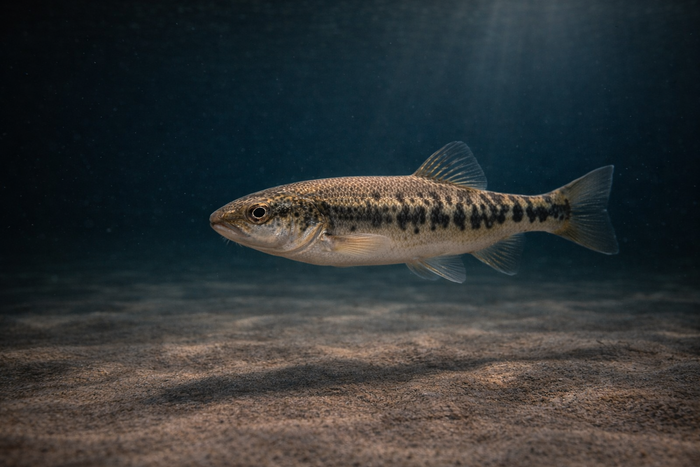
Sand Shiner (Notropis stramineus): The Stream’s Speedy Silver Bullet That Commands Attention
The Sand Shiner isn’t your average minnow. It’s a sleek, shimmering dart of freshwater energy that thrives in North America’s clear, sandy-bottomed streams and rivers. Known scientifically as Notropis stramineus, this fish punches well above its weight in ecological importance and adaptability. If you’re diving into Sand Shiner facts, prepare to meet a species that’s as vital to its ecosystem as it is fascinating to watch.
What Makes the Sand Shiner Unique?
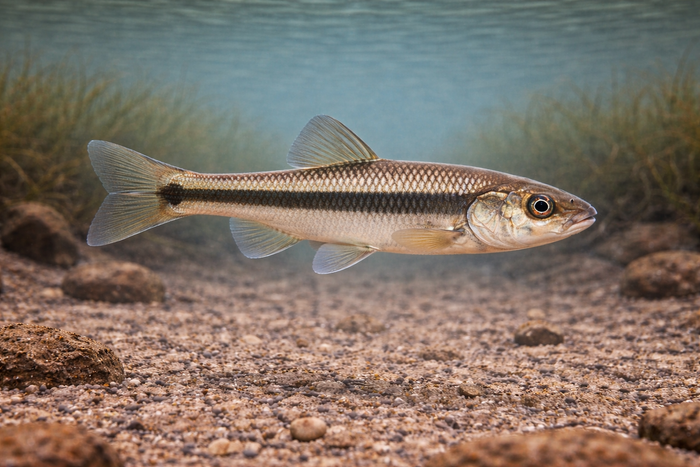
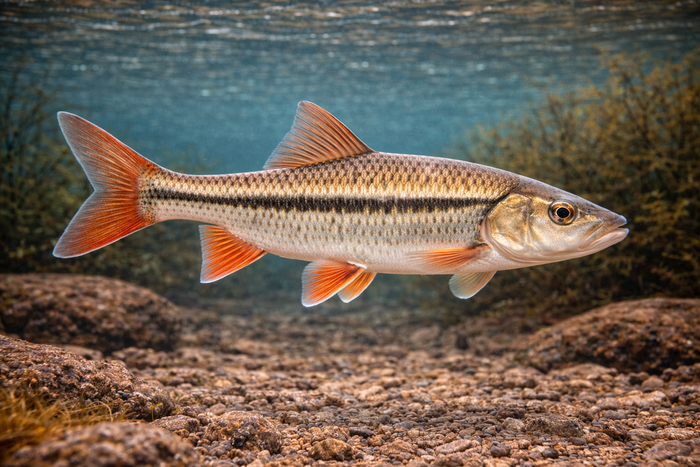
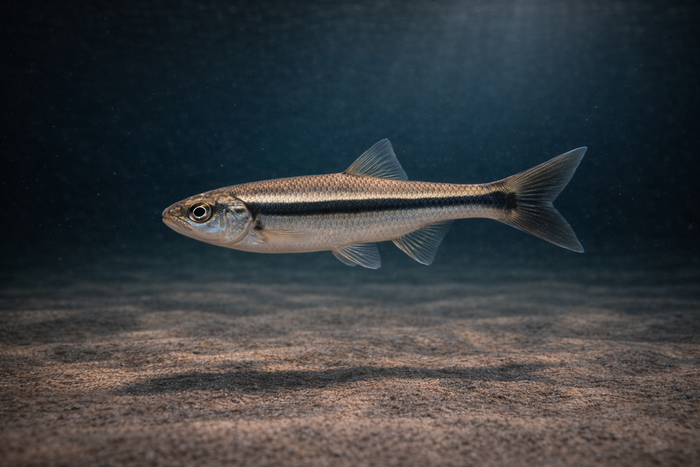
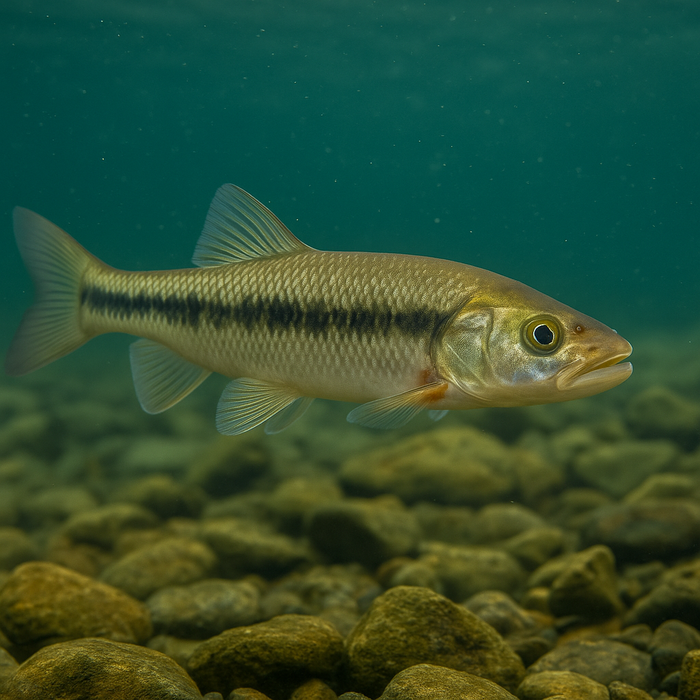
Forget the stereotype of minnows as dull and forgettable. The Sand Shiner stands out with its slender, streamlined body and a distinctive silvery sheen that catches the light like a living mirror. Its scales are finely detailed, giving it a subtle sparkle that’s more than just eye candy—it’s a survival tool. This fish’s body shape and coloration are perfectly engineered for speed and camouflage in sandy, sunlit waters.
Unlike many small fish, the Sand Shiner has a remarkable ability to detect subtle changes in water flow and quality. This sensitivity makes it a natural indicator species for freshwater health. Its feeding habits are also notable: it’s an opportunistic omnivore, snatching up tiny invertebrates and organic detritus with equal efficiency. This dietary flexibility helps it thrive in variable conditions where other species might falter.
Habitat & Global Range
Sand Shiner habitat is primarily centered in the central and eastern United States, with populations extending into southern Canada. These fish favor clear, moderate to fast-flowing streams and rivers with sandy or gravelly bottoms. The preference for sandy substrates isn’t just a quirk—it’s essential for their spawning strategy. They need clean, oxygen-rich water flowing over sand to successfully reproduce.
Their range covers major river systems like the Mississippi, Missouri, and Ohio, but they’re not limited to big rivers. Smaller tributaries and creeks with the right substrate and water quality are equally important. The Sand Shiner’s presence often signals a healthy aquatic environment, which is why their distribution can serve as a natural barometer for freshwater ecosystem integrity.
Behavior & Temperament
Sand Shiners are schooling fish, moving in tight, synchronized groups that flash silver as they dart through the water. This schooling behavior isn’t just for show—it’s a defense mechanism against predators. When threatened, the group can change direction in an instant, creating a confusing, shimmering wall that’s hard to penetrate.
They are active during daylight hours, feeding mostly on the move. Their diet includes aquatic insects, larvae, and organic particles, making them both predators and scavengers. This dual role keeps the food web balanced. Sand Shiners are not aggressive; they coexist peacefully with other small fish species, but they’re fast and alert, always ready to bolt at the first sign of danger.
During spawning season, males develop subtle breeding colors and engage in competitive displays to attract females. They prefer shallow sandy areas with steady currents for laying eggs, which hatch quickly in the oxygen-rich environment. This reproductive strategy ensures high survival rates for the next generation.
Ecological Importance
The Sand Shiner is a linchpin species in freshwater ecosystems. Its role as both prey and predator places it squarely in the middle of the food chain. Larger fish, birds, and even some mammals rely on Sand Shiners as a steady food source. Without them, these predators would struggle to find enough nourishment.
On the flip side, Sand Shiners help control populations of aquatic insects and contribute to the breakdown of organic material. This keeps the ecosystem clean and balanced. Their sensitivity to water quality means they are often the first species to decline when pollution or habitat degradation occurs, making them a crucial early warning system for environmental scientists.
Conservation & Environmental Pressures
Despite their adaptability, Sand Shiners face growing threats from habitat loss, pollution, and waterway modifications. Sedimentation from agriculture and urban development can smother the sandy bottoms they need for spawning. Chemical runoff and increased turbidity degrade water quality, stressing populations.
Dams and water diversion projects disrupt natural flow regimes, altering the habitats Sand Shiners depend on. While they are not currently listed as endangered, localized declines have been documented. Protecting Sand Shiner habitat means maintaining clean, free-flowing streams with intact sandy substrates—a challenge in many parts of their range.
Conservation efforts focused on riparian buffer zones, pollution control, and sustainable land use practices benefit not just the Sand Shiner but entire freshwater communities. Monitoring Sand Shiner populations provides valuable insight into the health of aquatic ecosystems, guiding effective conservation strategies.
The FishyAF Take
The Sand Shiner is a small fish with a big role. It’s a master of its niche, perfectly adapted to life in sandy, flowing waters. If you’re serious about understanding freshwater ecosystems, you can’t overlook this species. It’s a natural bioindicator, a key player in food webs, and a survivor in a world where clean water is increasingly rare.
For anglers, conservationists, or just curious fish nerds, the Sand Shiner offers a lesson in resilience and ecological balance. It’s proof that even the smallest fish can command respect and attention. Keep an eye on Sand Shiner habitat and populations—they tell a story about the health of our rivers and streams that’s impossible to ignore.