Silver Chub (Macrhybopsis storeriana): The Streamlined Dynamo of North American Waters
The Silver Chub is one of those fish that flies under the radar but deserves a spotlight. Small, sleek, and built for speed, this freshwater species is a staple of North American river systems. It’s not flashy like a bass or a trout, but the Silver Chub plays a crucial role in its ecosystem and offers anglers a unique glimpse into the diversity of native fish. Understanding Silver Chub facts reveals a fish perfectly adapted to life in fast-moving waters, with a story that’s as compelling as its silvery sheen.
What Makes the Silver Chub Unique?
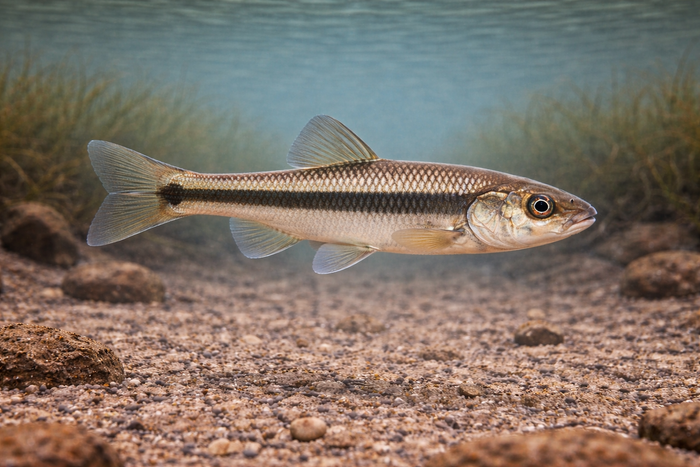
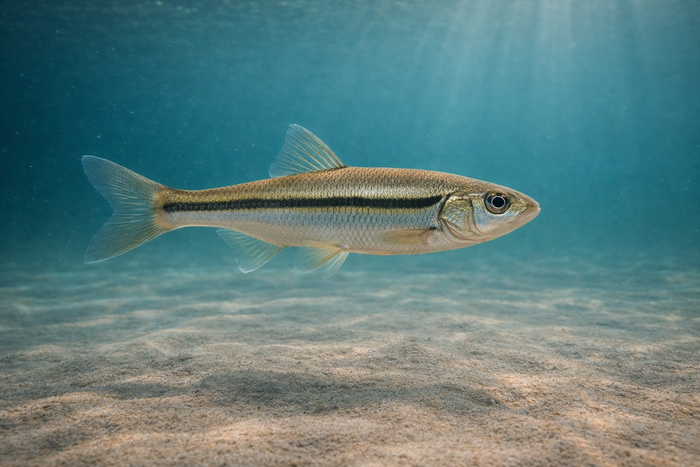
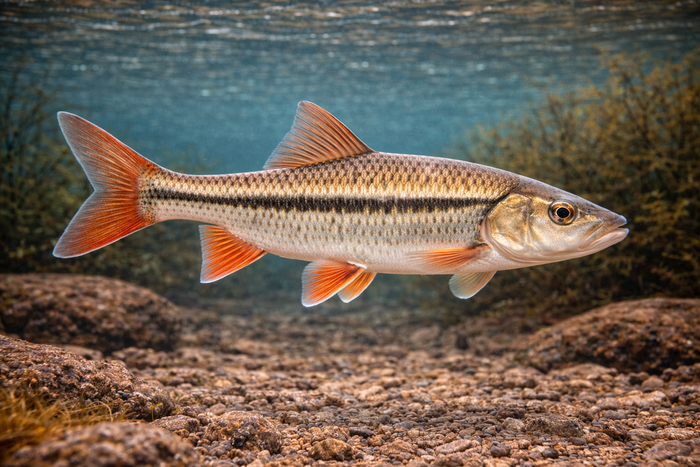
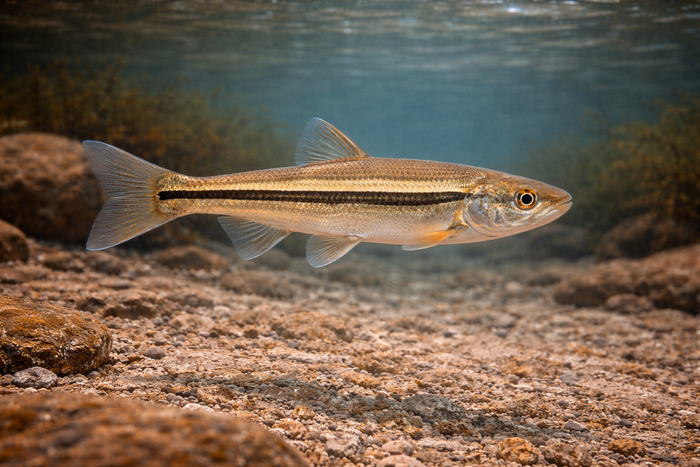
The Silver Chub stands out with its streamlined body and silvery sides that shimmer in the current, giving it a ghostly presence in its habitat. Unlike many minnows, it has a noticeably flattened head and a large, downward-facing mouth designed for bottom feeding. This fish is a benthic specialist, meaning it spends most of its time near the riverbed, sifting through sand and gravel for invertebrates. Its sensory barbels help detect prey in murky waters where visibility is limited.
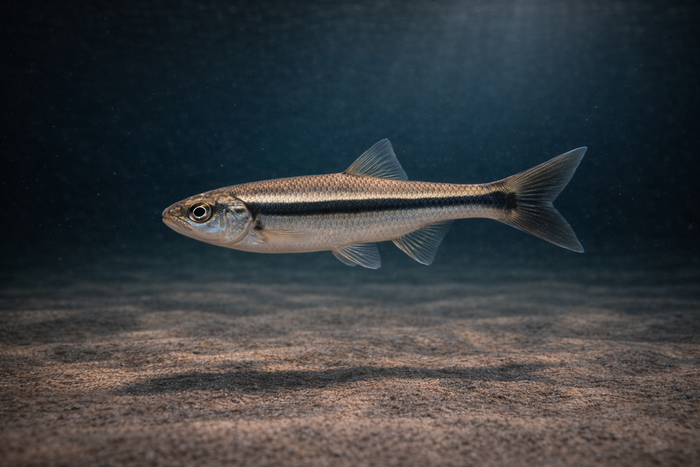
Another unique trait is its impressive swimming ability. The Silver Chub thrives in swift currents, thanks to its torpedo-shaped body and strong fins. This isn’t a lazy river cruiser; it’s built for endurance and agility, darting through riffles and runs with ease. Its reproductive strategy also sets it apart. Spawning occurs over clean gravel beds, where females scatter eggs that adhere to the substrate, relying on the current to oxygenate and protect the developing embryos.
Habitat & Global Range
Silver Chub habitat is primarily freshwater rivers and streams across the central and eastern United States and parts of southern Canada. They prefer medium to large rivers with moderate to fast currents and substrates composed of sand, gravel, and small rocks. These conditions provide the perfect environment for feeding and spawning.
Their range extends from the Mississippi River basin eastward to the Great Lakes and parts of the Ohio and Tennessee River systems. They are absent from the far western states, sticking mostly to the heartland and eastern watersheds. Seasonal movements are common, with Silver Chubs migrating to shallower riffles during spawning season in late spring and early summer.
Behavior & Temperament
Silver Chubs are bottom dwellers with a benthic feeding style. They are not aggressive but are highly active, constantly foraging for insect larvae, small crustaceans, and other invertebrates. Their barbels act like antennae, helping them detect food buried in sediment.
Socially, Silver Chubs tend to form loose schools, especially outside of spawning season. This schooling behavior offers protection from predators and increases foraging efficiency. They are wary fish, quick to dart into deeper water or under cover when threatened.
Unlike game fish that chase prey, Silver Chubs rely on stealth and sensory detection. Their behavior is a study in efficiency—minimal energy wasted, maximum survival payoff. They are not territorial, which makes them less confrontational but more vulnerable to habitat disturbances.
Ecological Importance
The Silver Chub is a vital link in freshwater food webs. As a benthic feeder, it helps control populations of aquatic insects and small invertebrates, maintaining a balance in the river ecosystem. In turn, Silver Chubs serve as prey for larger fish species, birds, and other wildlife.
Their spawning habits contribute to the health of river substrates. By selecting clean gravel beds for egg deposition, they indirectly promote sediment turnover and oxygenation, which benefits other aquatic organisms. Their presence is often an indicator of good water quality and healthy river systems.
In ecosystems where Silver Chubs thrive, biodiversity tends to be higher, signaling a robust and resilient environment. They are a subtle but essential player in the aquatic community, often overlooked but impossible to replace.
Conservation & Environmental Pressures
Silver Chub populations face several environmental pressures, primarily from habitat degradation. Sedimentation from agriculture, urban runoff, and dam construction disrupts the clean gravel beds they need for spawning. Pollution and changes in water flow can reduce oxygen levels and alter the invertebrate populations they depend on for food.
While not currently listed as endangered, localized declines have been documented in some parts of their range. Conservation efforts focus on preserving river habitats, improving water quality, and managing sediment loads. Maintaining natural flow regimes is critical to their survival, as altered currents can prevent successful spawning and feeding.
Invasive species and climate change add layers of complexity. Warmer water temperatures and altered precipitation patterns may shift Silver Chub habitat suitability, forcing populations to adapt or relocate. Protecting this species means protecting entire river ecosystems.
The FishyAF Take
The Silver Chub may not be the star of the fishing show, but it’s a powerhouse of adaptation and ecological significance. Its sleek design and bottom-feeding lifestyle make it a fascinating subject for anyone serious about freshwater fish diversity. Silver Chub facts reveal a species perfectly tuned to its environment, thriving in conditions that would challenge many others.
If you’re interested in river health or native fish conservation, the Silver Chub is a species worth knowing. It’s a reminder that not all important fish are trophy-sized or flashy. Sometimes, the real heroes of the water are the subtle, streamlined survivors quietly shaping their ecosystems.
Next time you’re by a river, keep an eye out for that quick silver flash near the bottom. That’s the Silver Chub, doing its job and keeping the aquatic world turning.