White Amur (Ctenopharyngodon idella): The Grass-Munching Giant That Changes Ecosystems
The White Amur, also known as the grass carp, is a freshwater fish that commands attention not with flashy colors or aggressive behavior but with its sheer ecological impact. This species is a powerhouse herbivore, capable of transforming aquatic vegetation and reshaping entire waterways. Understanding the White Amur means diving into a story of biological control, environmental balance, and unintended consequences. If you’re curious about a fish that’s as much an ecosystem engineer as it is a subject of controversy, the White Amur deserves your focus.
What Makes the White Amur Unique?
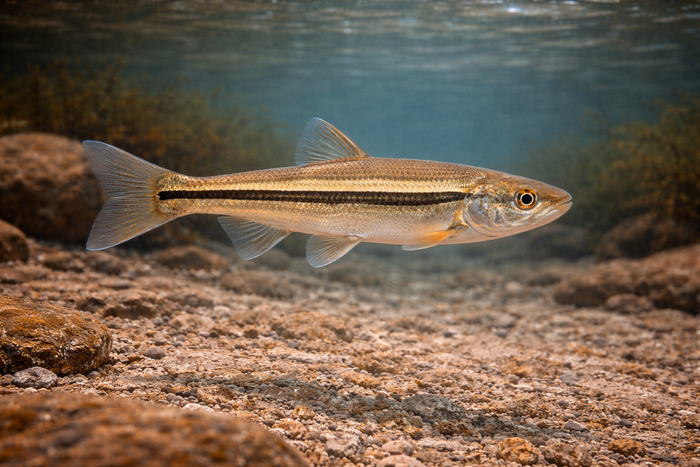
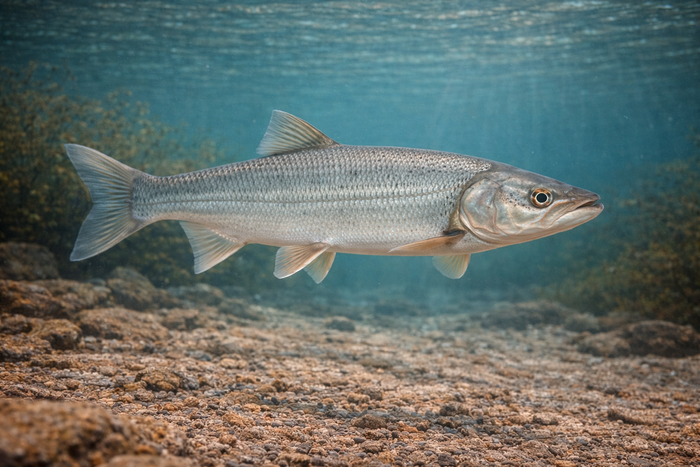
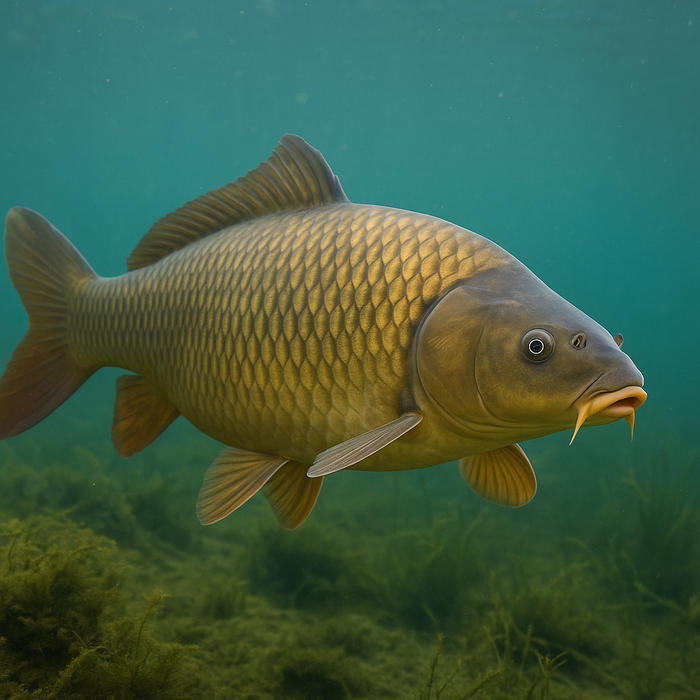
Unlike most carp known for omnivorous diets, the White Amur is a dedicated herbivore. Its mouth is designed for grazing on aquatic plants rather than snapping up smaller fish or invertebrates. This specialization makes it a natural tool for managing excessive vegetation in ponds, lakes, and slow-moving rivers. The White Amur grows fast and large, reaching impressive lengths that allow it to consume vast amounts of plant matter daily.
Its digestive system is adapted to break down tough cellulose-rich plants, a rare trait among fish. This ability gives the White Amur a niche few others can fill. It’s not just a fish; it’s a living lawnmower for underwater greenery. This unique feeding habit has made it a popular choice for biological weed control worldwide, but it also raises questions about balance and unintended ecological shifts.
Habitat & Global Range
Native to East Asia, specifically the Amur River basin and surrounding freshwater systems, the White Amur thrives in temperate climates with moderate to warm water temperatures. Its natural habitat includes large rivers, lakes, and reservoirs with abundant aquatic vegetation. The White Amur prefers slow-moving or still waters where it can graze efficiently.
Humans have introduced White Amur populations globally, from North America to Europe, Australia, and parts of Africa, primarily to control aquatic weeds. These introductions have expanded its range far beyond its native habitat. However, the White Amur’s success in new environments varies widely, depending on water temperature, vegetation types, and local ecosystem dynamics.
Understanding White Amur habitat preferences is crucial for managing its populations. It needs sufficient plant biomass to thrive and reproduce, but it also requires clean, oxygenated water and suitable spawning grounds, typically shallow, gravelly river stretches. Without these conditions, White Amur populations may struggle to establish or maintain themselves.
Behavior & Temperament
The White Amur is a relatively peaceful fish, especially compared to its carp cousins. It’s not aggressive or territorial, which makes it less of a threat to other fish species in terms of direct conflict. Instead, its impact comes from what it eats and how much it eats.
This species is primarily a bottom and mid-water feeder, moving slowly through aquatic vegetation as it grazes. It can consume a wide variety of plants, from filamentous algae to submerged weeds, and even some emergent vegetation. The White Amur’s feeding behavior is methodical and persistent, often leading to significant reductions in plant biomass over time.
Despite its calm demeanor, the White Amur can become problematic if introduced into ecosystems without natural predators or controls. Its rapid growth and voracious appetite can lead to overgrazing, which in turn affects water quality, habitat structure, and native species that rely on aquatic plants for food or shelter.
Ecological Importance
The White Amur’s role as a biological control agent is both its claim to fame and its ecological wildcard. In systems plagued by invasive or overabundant aquatic plants, White Amur introduction can restore balance by reducing excessive vegetation that chokes waterways, disrupts fish spawning, and impedes recreational activities.
By consuming large amounts of plant matter, White Amur can improve water flow, increase oxygen levels, and reduce habitat complexity that favors nuisance species. This makes it a valuable tool for fisheries managers and environmental agencies seeking natural weed control solutions.
However, the ecological importance of the White Amur is double-edged. Overgrazing by these fish can lead to habitat degradation, loss of biodiversity, and altered nutrient cycling. Native aquatic plants may be wiped out, leaving bare substrates vulnerable to erosion and invasive species colonization. This can cascade into broader ecosystem changes, affecting everything from invertebrates to waterfowl.
Conservation & Environmental Pressures
The White Amur is not currently considered endangered or at risk in its native range. In fact, its populations are robust, partly due to widespread aquaculture and stocking programs. However, environmental pressures such as habitat modification, pollution, and climate change can impact local populations.
More pressing are the conservation concerns related to its introduction outside native habitats. In many regions, White Amur is classified as an invasive species with potential to disrupt native ecosystems. Managing these populations requires careful monitoring and control measures to prevent ecological damage.
Balancing the benefits of White Amur for weed control against the risks of ecological imbalance is a significant challenge. Conservation efforts focus on preventing unauthorized releases, promoting responsible stocking, and researching long-term impacts on native biodiversity.
The FishyAF Take
The White Amur is a fish that demands respect for its ecological muscle and biological quirks. It’s a specialist herbivore with a global footprint, capable of both solving and creating environmental problems. If you’re looking for a fish that embodies the complexity of human intervention in nature, the White Amur is your poster child.
This species is a reminder that no biological tool comes without trade-offs. Its ability to clear aquatic weeds is impressive, but so is its potential to alter ecosystems in ways we don’t always predict or want. The White Amur’s story is a cautionary tale wrapped in a fish’s scales—powerful, efficient, and a little unpredictable.
For anyone interested in aquatic ecology, fisheries management, or invasive species dynamics, White Amur facts and habitat insights offer a fascinating case study. It’s a fish that’s as much about ecosystem engineering as it is about survival, and that makes it a standout in the crowded world of freshwater species.