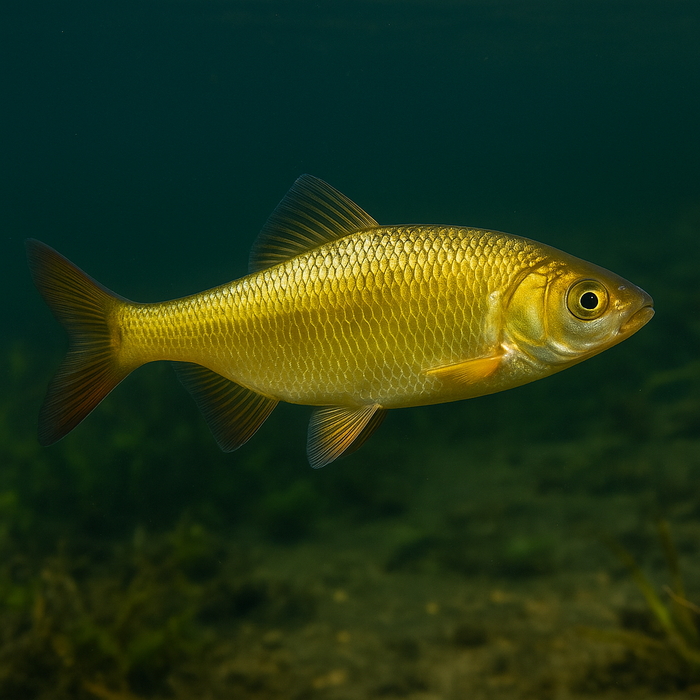
Common Carp (Cyprinus carpio): The Original Freshwater Giant That Keeps Coming Back for More
The Common Carp is not just another fish swimming in your local pond. It’s a heavyweight contender in freshwater ecosystems worldwide, known for its resilience, adaptability, and a knack for stirring up trouble—both literally and figuratively. Whether you’re an angler, an ecologist, or just someone curious about freshwater life, understanding the Common Carp is essential. This species has shaped aquatic environments and fishing cultures for centuries, making it a fish you can’t ignore.
What Makes the Common Carp Unique?
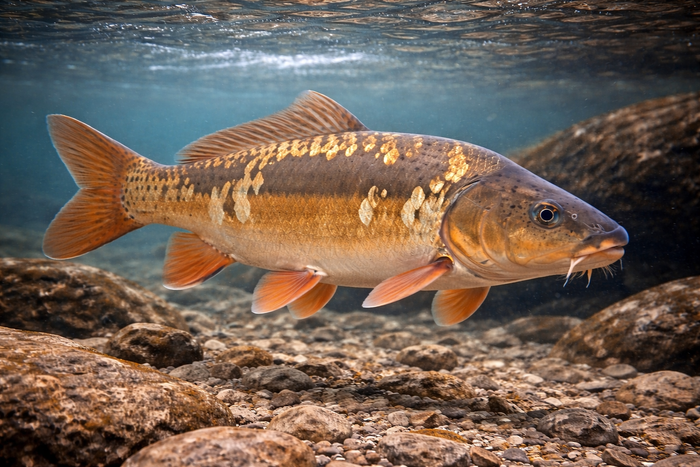
Common Carp stand out because they are the ultimate survivors. Their robust body, armored with large, thick scales, is built for endurance. They can thrive in waters that would make other fish tap out—murky, low-oxygen, and even polluted environments. Their sensory barbels near the mouth act like built-in GPS and taste buds, helping them locate food buried in sediment. This fish is a bottom feeder with a taste for almost anything organic, from plant material to small invertebrates.
Unlike many fish, Common Carp have a complex spawning ritual that involves group gatherings and vigorous movements to stir up the substrate. This behavior not only ensures egg survival but also reshapes the aquatic environment. Their ability to grow large and live long—sometimes decades—makes them a dominant presence in their habitats.
Habitat & Global Range
The Common Carp’s habitat is as broad as its appetite. Originally native to Eastern Europe and Asia, it has been introduced worldwide, from North America to Australia, often with mixed results. They favor slow-moving or still waters—lakes, ponds, rivers, and reservoirs—with muddy or vegetated bottoms. Their tolerance for a wide range of temperatures and water conditions means they can colonize new environments quickly.
Common Carp habitat is characterized by shallow, warm waters rich in organic matter. They prefer areas where they can root around in the sediment without much disturbance. This adaptability has made them one of the most widespread freshwater fish species on the planet, but it also means they can outcompete native fish in many regions.
Behavior & Temperament
Common Carp are not shy. They’re bold, curious, and often active during the day, which is unusual for bottom feeders. Their feeding behavior is disruptive—they suck up sediment, sift through it for food, and expel the leftovers, which clouds the water and affects other aquatic life. This rooting behavior can uproot plants and destabilize habitats.
Socially, Common Carp can be found in groups, especially during spawning season. They communicate through body movements and water vibrations, coordinating their spawning frenzy. Despite their size and strength, they are generally non-aggressive toward humans and other fish, though they can dominate resources simply by numbers and sheer persistence.
Ecological Importance
Common Carp play a paradoxical role in ecosystems. On one hand, their feeding habits can degrade water quality by increasing turbidity and uprooting vegetation, which harms native species and disrupts food webs. On the other hand, they serve as a food source for larger predators and contribute to nutrient cycling by breaking down organic matter.
In their native range, they fit into the ecosystem balance, but where introduced, they often become invasive, outcompeting local fish and altering habitats. Their presence can lead to declines in aquatic plant diversity and changes in invertebrate populations, which ripple through the food chain. Understanding these dynamics is crucial for managing freshwater environments impacted by Common Carp.
Conservation & Environmental Pressures
Despite their reputation as pests in many parts of the world, Common Carp face conservation challenges in their native habitats. Overfishing, habitat loss, and pollution threaten some populations. Efforts to conserve native genetic stocks and restore natural habitats are underway in parts of Europe and Asia.
Conversely, in places where they are invasive, management focuses on control and eradication to protect native biodiversity. Techniques include physical removal, barriers, and even biological controls. Balancing their ecological impact with conservation needs requires nuanced strategies and ongoing research.
The FishyAF Take
The Common Carp is a fish of contradictions—both a hardy survivor and a habitat disruptor, a prized catch and a problematic invader. Its ability to adapt and thrive in diverse environments makes it a species worth studying, respecting, and managing carefully. If you want to understand freshwater ecosystems, you can’t skip the Common Carp.
For anglers, it’s a challenge and a trophy. For ecologists, it’s a case study in invasive species dynamics and ecosystem engineering. For the environment, it’s a reminder that introducing a species without understanding the consequences can have lasting effects.
Common Carp facts and Common Carp habitat details are more than trivia—they’re keys to managing freshwater resources wisely. Whether you love them or loathe them, the Common Carp demands attention. It’s a fish that keeps proving it belongs, for better or worse.