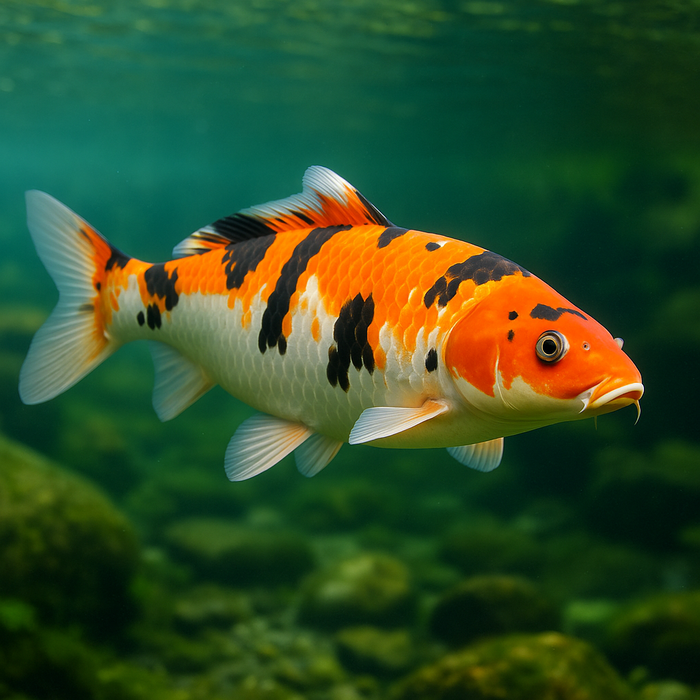
Mirror Carp (Cyprinus carpio): The Scaled Rebel of Freshwater Waters
Mirror Carp is not your average carp. It’s the flashy cousin of the common carp, sporting irregular, mirror-like scales that catch the light and the eye. This species has carved out a reputation among anglers and biologists alike for its distinctive appearance and resilient nature. If you’re diving into Mirror Carp facts, prepare to meet a fish that blends adaptability with a striking look, making it a staple in freshwater ecosystems and sport fishing worldwide.
What Makes the Mirror Carp Unique?
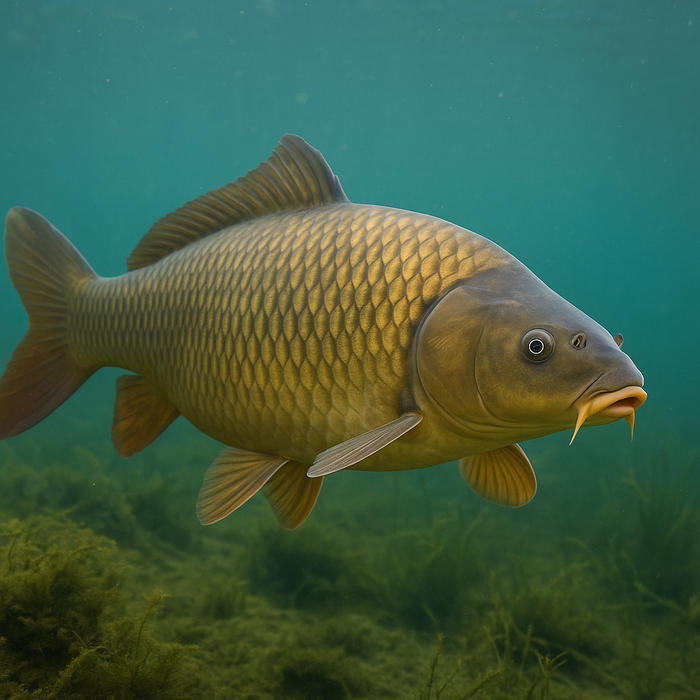
The standout feature of the Mirror Carp is its scale pattern—or more accurately, the lack of a uniform one. Unlike the fully scaled common carp, Mirror Carp have large, irregularly placed scales scattered across their bodies. These scales shimmer like broken mirrors, giving the fish its name and a unique aesthetic that sets it apart. This isn’t just a cosmetic quirk; the scale pattern is a result of selective breeding and genetic variation, which also affects their growth rates and body shape.
Mirror Carp tend to have a more elongated, robust body compared to their common carp relatives. Their skin between the scales is smooth and thick, which some anglers argue makes them tougher to hook and land. This species also boasts impressive longevity and can grow to substantial sizes under the right conditions, making it a prized catch.
Habitat & Global Range
Mirror Carp habitat spans a wide range of freshwater environments, from slow-moving rivers and lakes to man-made reservoirs and ponds. Originally native to parts of Europe and Asia, Mirror Carp have been introduced globally, particularly in North America, Australia, and New Zealand, primarily for sport fishing and aquaculture.
They thrive in temperate climates and prefer waters with abundant vegetation, which provides both food and shelter. Their adaptability to different water conditions—ranging from clear mountain lakes to murky lowland waters—makes them a resilient species. Mirror Carp can tolerate low oxygen levels and varying temperatures, which contributes to their success in diverse habitats.
Behavior & Temperament
Mirror Carp are bottom feeders with a reputation for being both cautious and cunning. They spend much of their time rooting around in sediment for invertebrates, plant matter, and detritus. This feeding behavior stirs up the water, sometimes making them tricky to spot or catch.
Despite their size and strength, Mirror Carp are generally non-aggressive. They tend to be social, often found in schools, especially during warmer months. Their wariness makes them a challenge for anglers, who must employ stealth and patience. Mirror Carp are known for their powerful runs and stubborn fights once hooked, adding to their allure as a sport fish.
Ecological Importance
Mirror Carp play a significant role in their ecosystems. As benthic feeders, they help recycle nutrients by disturbing sediment and consuming organic matter, which can influence aquatic plant growth and water quality. Their feeding habits can promote biodiversity by creating microhabitats for other species.
However, their introduction outside native ranges has had mixed ecological impacts. In some regions, Mirror Carp compete with native fish for resources and alter habitats through their bottom-feeding behavior, sometimes leading to increased turbidity and vegetation loss. This dual role as ecosystem engineers and potential disruptors makes understanding Mirror Carp ecology critical for managing freshwater environments.
Conservation & Environmental Pressures
While Mirror Carp are not currently endangered, their populations face pressures from habitat loss, pollution, and overfishing in certain areas. Water quality degradation and the destruction of aquatic vegetation threaten their natural habitats. Additionally, in places where they are non-native, management efforts sometimes involve population control to protect indigenous species and habitats.
Conservation strategies focus on maintaining healthy freshwater ecosystems that support diverse aquatic life, including Mirror Carp. Sustainable fishing practices and habitat restoration are key components. Given their popularity in recreational fishing, balancing human interests with ecological health remains a priority.
The FishyAF Take
Mirror Carp are a fascinating blend of natural resilience and human influence. Their unique scale patterns and adaptable nature make them a standout species in the freshwater world. For anglers, they offer a challenging and rewarding experience, demanding skill and respect. Ecologically, they serve as both ecosystem engineers and cautionary examples of species introductions gone awry.
If you want to understand Mirror Carp facts beyond the surface, look at their role in shaping freshwater habitats and fisheries worldwide. They’re more than just a fish with funky scales—they’re a testament to adaptability and the complex interplay between nature and human activity. Whether you’re a biologist, conservationist, or angler, Mirror Carp demand attention and thoughtful management to ensure they remain a bold, memorable part of aquatic ecosystems.