Bighead Carp (Hypophthalmichthys nobilis): The Filter-Feeding Giant That’s Changing Freshwater Ecosystems
Bighead Carp is not your average freshwater fish. With a name that demands attention and a presence that dominates rivers and lakes, this species has carved out a niche that’s as impressive as it is controversial. Known scientifically as Hypophthalmichthys nobilis, the Bighead Carp is a filter feeder with a voracious appetite, capable of altering entire aquatic ecosystems. Whether you’re a fisheries manager, an angler, or just a curious observer, understanding the Bighead Carp is essential to grasping the dynamics of many freshwater systems around the world.
What Makes the Bighead Carp Unique?
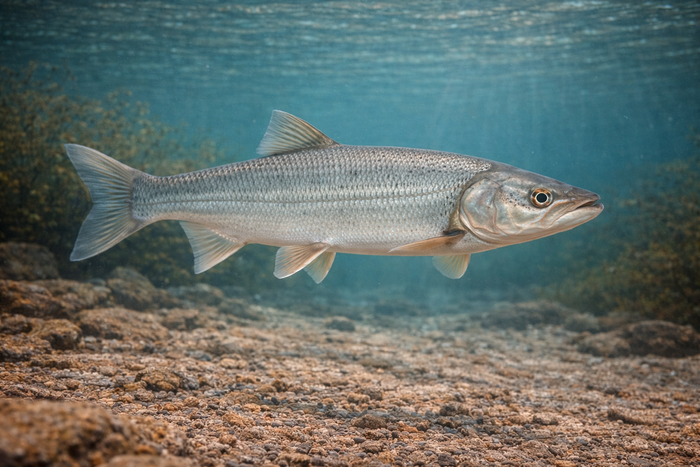
Bighead Carp stands out primarily because of its feeding strategy. Unlike typical predatory fish, it uses specialized gill rakers to filter plankton from the water, consuming vast quantities of microscopic plants and animals. This filter-feeding mechanism allows it to grow rapidly and reach impressive sizes, sometimes tipping the scales at over 60 pounds. Its large head and upward-facing eyes give it a distinctive look, setting it apart from other carp species.
Another unique trait is its explosive jumping behavior when startled by boats or noise. This makes it infamous among anglers and boaters, as these fish can leap several feet out of the water, potentially causing injury or damage. This behavior is not just a quirky trait but a survival mechanism that has helped the species evade predators and thrive in various environments.
Habitat & Global Range
Bighead Carp’s original home is the large rivers and lakes of East Asia, particularly China. However, its range has expanded dramatically due to intentional introductions for aquaculture and weed control. Today, Bighead Carp habitat includes major river systems across Asia, Europe, and North America.
In the United States, Bighead Carp have established themselves in the Mississippi River Basin and its tributaries. They prefer slow-moving or still waters with abundant plankton, such as reservoirs, lakes, and large rivers. Their ability to adapt to different water conditions and temperatures has made them a resilient invader in many non-native habitats.
Understanding Bighead Carp habitat is crucial for managing their populations. They thrive in nutrient-rich waters where plankton blooms are common, which often coincide with human-altered landscapes like agricultural runoff zones. This adaptability makes controlling their spread a significant challenge.
Behavior & Temperament
Bighead Carp are schooling fish, often found in large groups that can number in the thousands. Their filter-feeding lifestyle means they spend most of their time cruising through the water column, filtering out plankton with a steady, efficient rhythm. They are generally non-aggressive toward other fish but can outcompete native species for food due to their sheer numbers and feeding efficiency.
Their temperament is relatively calm, but their size and jumping behavior can make them a handful for anglers. They are not known for fighting hard on the line, but their size and the risk of sudden leaps make catching them an adrenaline-pumping experience.
Spawning occurs in flowing water during spring and early summer. Bighead Carp release eggs and sperm into the current, where fertilization happens externally. The eggs drift downstream until they hatch, relying on river flow for dispersal. This reproductive strategy allows them to colonize new areas rapidly, especially in large river systems.
Ecological Importance
Bighead Carp play a complex role in aquatic ecosystems. On one hand, their filter-feeding helps control plankton populations, which can influence water clarity and nutrient cycling. In their native range, they are part of a balanced ecosystem where predators and competitors keep their numbers in check.
On the other hand, in non-native environments, Bighead Carp can disrupt food webs by outcompeting native filter feeders, including important species like paddlefish and native mussels. Their massive consumption of plankton reduces the base of the food chain, affecting fish species that rely on the same food source. This can lead to declines in biodiversity and altered ecosystem function.
Their presence also impacts commercial and recreational fisheries. By dominating plankton resources, they can reduce populations of native fish that are economically and culturally significant. This ecological imbalance has made Bighead Carp a target for control efforts in many regions.
Conservation & Environmental Pressures
While Bighead Carp are considered invasive in many parts of the world, their native populations face different pressures. Habitat loss, pollution, and overfishing have affected Bighead Carp in their original range. Conservation efforts in Asia focus on sustainable management rather than eradication.
In invaded regions, the challenge is controlling their spread without harming native species. Physical barriers, targeted fishing, and public awareness campaigns are some of the tools used to manage Bighead Carp populations. However, their high reproductive rate and adaptability make eradication nearly impossible once established.
Environmental pressures such as climate change could further influence Bighead Carp habitat. Warmer temperatures and altered river flows might expand their range or change their population dynamics, complicating management strategies.
The FishyAF Take
Bighead Carp is a species that demands respect and attention. It’s a filter-feeding powerhouse that can reshape freshwater ecosystems, for better or worse. Understanding Bighead Carp facts is not just about knowing a fish’s size or diet; it’s about recognizing the ecological ripple effects this species creates wherever it goes.
If you’re dealing with Bighead Carp in your waters, don’t underestimate their impact or their resilience. They are a living example of how human intervention—whether intentional or accidental—can tip ecological scales in unexpected ways. Managing Bighead Carp requires science, strategy, and a bit of stubbornness.
In the end, Bighead Carp is a reminder that freshwater ecosystems are dynamic, complex, and often fragile. This fish is both a marvel of evolutionary adaptation and a cautionary tale about invasive species. Keep your eyes open, your nets ready, and your knowledge sharp. Because when it comes to Bighead Carp, the story is far from over.