Asp (Leuciscus aspius): The Predator That Turns Freshwater Into Its Hunting Ground
The asp is no wallflower in the freshwater world. This sleek, aggressive predator commands attention with its streamlined body and razor-sharp instincts. Known scientifically as Leuciscus aspius, the asp is a member of the Cyprinidae family, but don’t let that fool you into thinking it’s just another minnow. It’s a top-tier hunter with a reputation for speed and precision that makes it a standout among European freshwater fish. If you’re diving into asp facts, prepare to meet a fish that’s as bold as it is efficient.
What Makes the Asp Unique?
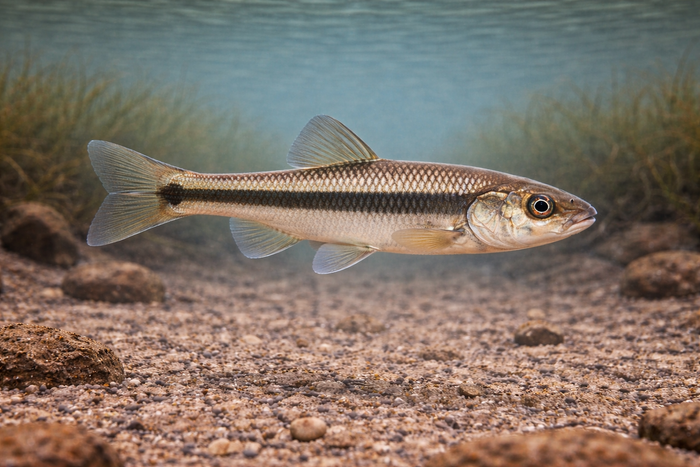
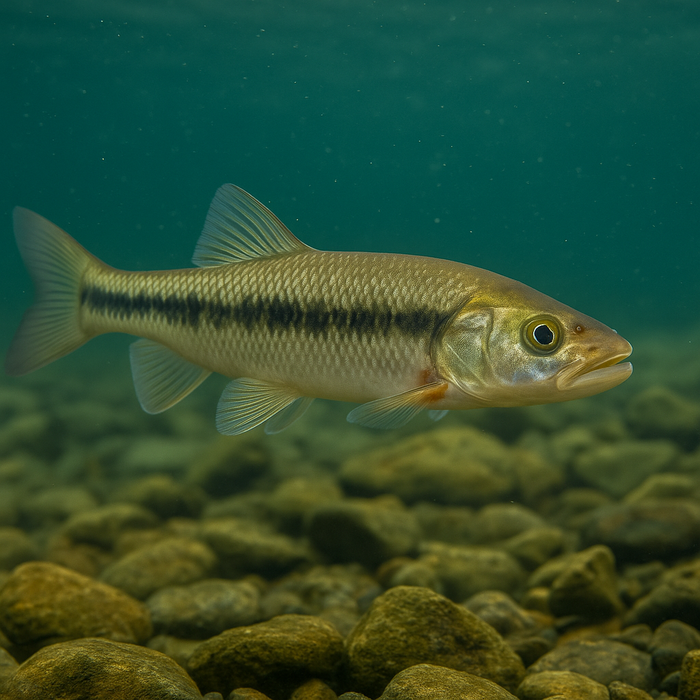
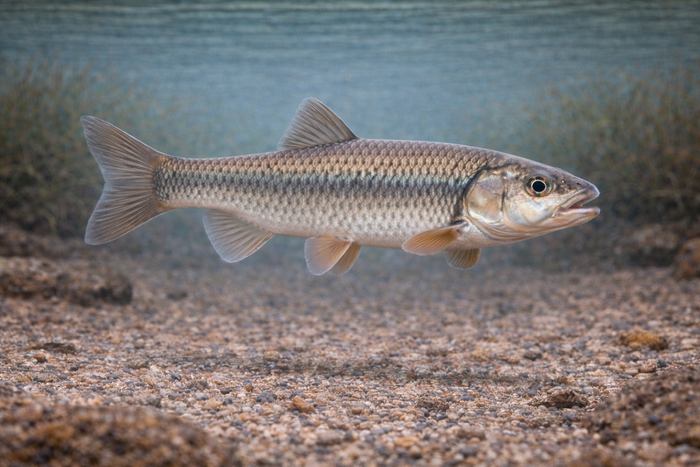
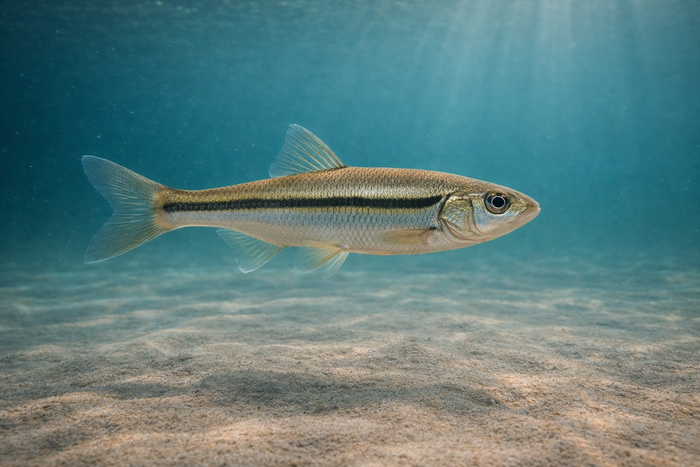
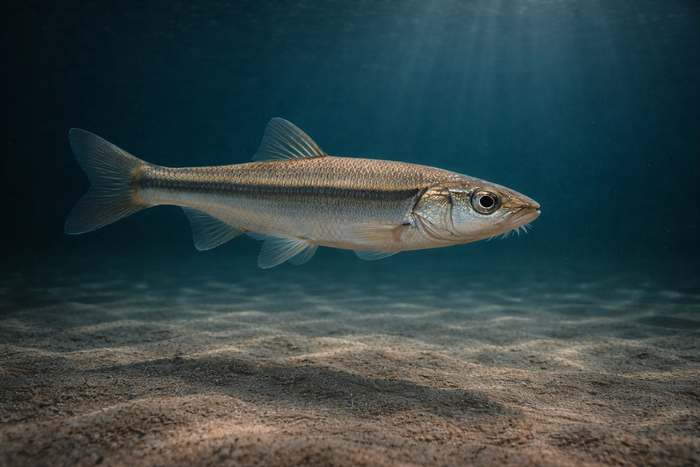
The asp’s uniqueness lies in its combination of physical prowess and hunting strategy. Unlike many freshwater species that rely on camouflage or ambush, the asp is an active chaser. Its body is built for bursts of speed, with a torpedo-like shape that slices through water with minimal resistance. Large eyes give it excellent vision, crucial for spotting prey in murky or fast-flowing waters.
Asp also have a distinctive silvery sheen with a slightly darker back, making them visually striking. Their mouths are large and equipped with sharp teeth, designed to grasp slippery prey like smaller fish. This predator doesn’t just wait around; it patrols its territory with confidence, often hunting in groups to herd and corner prey.
Habitat & Global Range
Asp habitat spans across much of Europe and parts of western Asia. They prefer large rivers, lakes, and reservoirs with clear, oxygen-rich water. These fish are adaptable but show a clear preference for flowing waters where they can exploit their speed and agility. You’ll find them in the Danube, Volga, and Dnieper river basins, among others.
Asp are not picky about temperature but thrive in temperate zones with seasonal variations. They spawn in shallow, gravelly riverbeds during spring, where oxygen levels are high, and water movement is steady. This reproductive choice ensures their eggs get enough oxygen and are less vulnerable to predators.
Behavior & Temperament
Asp behavior is a study in predatory efficiency. They are active hunters, primarily feeding on smaller fish such as roach, bleak, and perch. Their hunting style is aggressive and fast-paced, often involving sudden bursts of speed to chase down prey. Asp are known to hunt both individually and in small groups, which increases their success rate by corralling prey into tighter spaces.
Despite their predatory nature, asp are not territorial in the traditional sense. They patrol large areas and can be found in mixed-species communities without much conflict. However, during spawning season, males become more aggressive to secure breeding grounds.
Asp are also known for their migratory tendencies. They move upstream to spawn and then return downstream, showing a strong homing instinct. This migratory behavior is crucial for maintaining population health and genetic diversity.
Ecological Importance
Asp play a critical role in freshwater ecosystems as apex or near-apex predators. By preying on smaller fish, they help regulate populations and maintain a balanced food web. This predation pressure prevents any single species from dominating, which can lead to healthier, more diverse aquatic communities.
Their presence also indicates good water quality. Asp require well-oxygenated, clean water to thrive, so their populations can serve as a natural barometer for ecosystem health. When asp numbers decline, it often signals environmental stress or degradation.
Conservation & Environmental Pressures
While asp are not currently classified as endangered, they face several environmental pressures that could impact their populations. Habitat destruction, pollution, and river regulation projects like dams and weirs disrupt their migratory routes and spawning grounds. These barriers can fragment populations and reduce genetic diversity.
Water pollution from agricultural runoff and industrial waste also threatens asp habitat by reducing oxygen levels and introducing harmful substances. Climate change adds another layer of complexity, altering water temperatures and flow patterns, which can affect spawning success and food availability.
Conservation efforts focus on habitat restoration, improving water quality, and ensuring connectivity in river systems to support natural migration. Monitoring asp populations provides valuable data for managing freshwater ecosystems sustainably.
The FishyAF Take
The asp is a freshwater predator that demands respect. It’s a fish that combines speed, vision, and aggression into a hunting machine perfectly adapted to its environment. For anglers and ecologists alike, the asp offers a glimpse into the raw power and complexity of freshwater food webs.
Asp facts reveal a species that’s not just surviving but thriving in some of Europe’s most dynamic waterways. Yet, its future depends on our ability to protect those habitats from human interference. If you want a fish that embodies the spirit of freshwater predation, the asp is your go-to species. It’s bold, it’s efficient, and it’s a reminder that freshwater ecosystems are anything but tame.